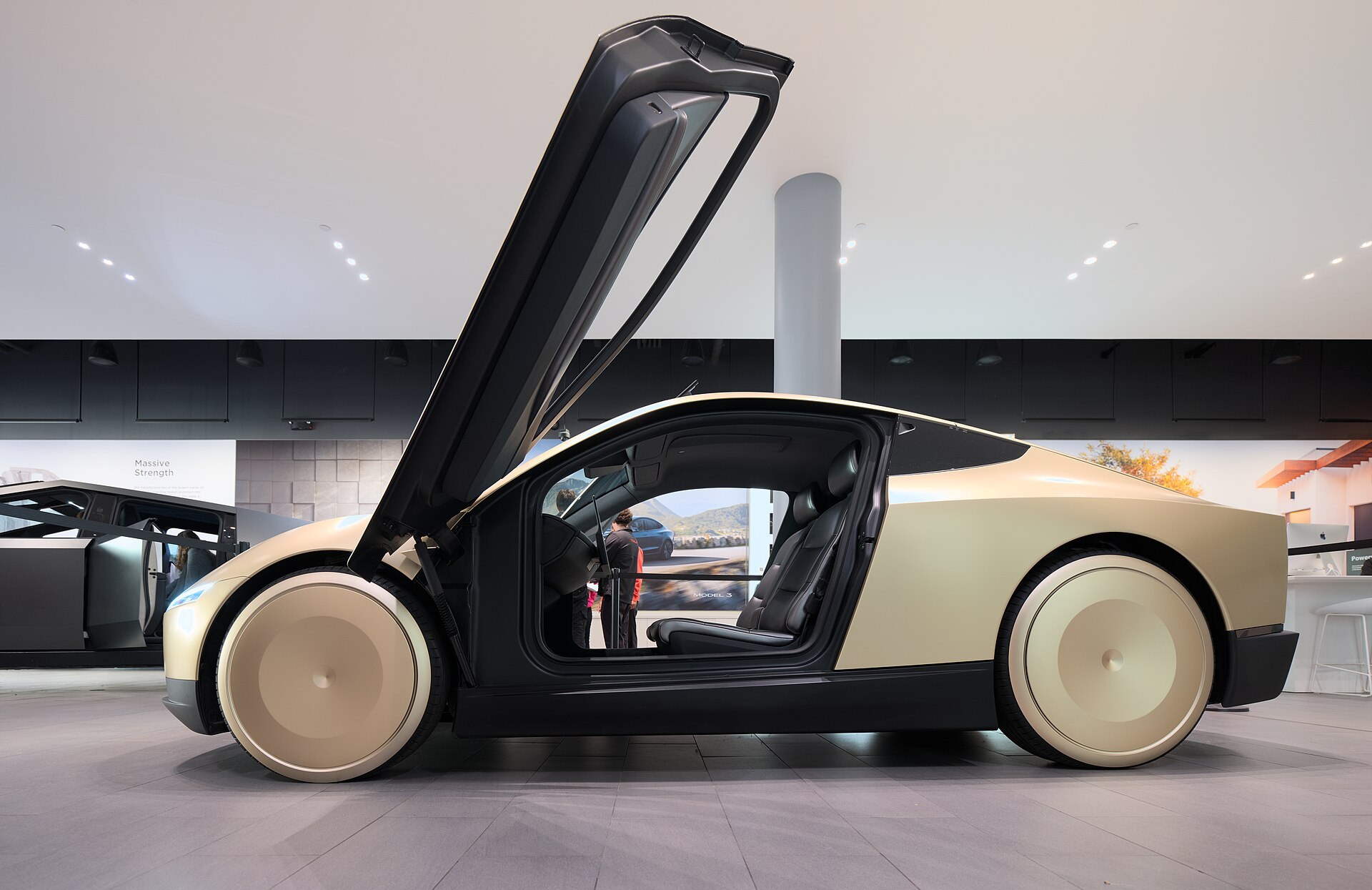
Tesla has launched a public Robotaxi safety report claiming about 3.1 million miles driven with no safety monitor in the car and zero injuries, zero Robotaxi airbag deployments and zero pedestrians or cyclists hit. The new page at tesla.com/robotaxi/safety went up Wednesday, Oct. 21, hours before Tesla's third-quarter earnings call, and includes a live counter that estimates fleet miles in real time.
The report covers Jan. 22 through Oct. 18, 2026, and is built on the crashes Tesla files with federal regulators. But it leaves out some things critics have asked for, including a total count of minor collisions and how often remote operators step in.
What does the Robotaxi safety report show?
| Category | Tesla Robotaxi (Jan. 22–Oct. 18) | Tesla's human estimate, same Texas miles |
|---|---|---|
| People injured | 0 | ~9.1 injury collisions |
| Robotaxi airbag deployments | 0 | ~4.1 |
| Pedestrians or cyclists hit | 0 | ~0.52 |
Tesla's human comparison covers only Austin, Dallas and Houston and uses 2024 Texas Department of Transportation crash records, federal highway mileage data and an adjustment for the roughly 32% of injury crashes never reported to police.
How many miles has Tesla Robotaxi driven?
| City | Miles (through Oct. 18) |
|---|---|
| Austin, Texas | 2,118,015 |
| Dallas, Texas | 608,130 |
| Houston, Texas | 225,964 |
| Orlando, Florida | 61,053 |
| Tampa, Florida | 53,117 |
| Miami, Florida | 46,262 |
| Total | about 3.1 million |
Tesla also says about 862,000 miles were driven after dark, 113,000 in rain and 575,000 in weekday rush hour. It notes the rain figure is a minimum, because hours without an official weather report count as dry.
What does the report leave out?
The report counts every collision Tesla files with the National Highway Traffic Safety Administration under its Standing General Order while a Robotaxi drives with no safety monitor inside, including when a remote operator is assisting or has taken control. That means:
- Monitored rides are excluded. Miles and crashes with a safety monitor on board, which covers most incidents before Jan. 22, are left out "in an effort to focus on autonomous driving alone," Tesla says.
- Minor crashes aren't totaled. The page highlights the three categories where Tesla reports zero, but does not list how many minor, non-injury collisions it filed with NHTSA. Electrek counted 22 unique Robotaxi crash reports by July, mostly low-speed bumps, including three involving remote operators, such as a May incident in Houston when an operator hit a hidden tree stump at 2 mph.
- Two events weren't counted as injuries. Tesla excluded a crash where another vehicle pushed an SUV into a stopped Robotaxi, hospitalizing someone in the other vehicle, and a rider's injury claim after a pothole that Tesla says its investigation did not support.
- Remote-operator frequency isn't disclosed. Tesla has not said how often remote operators intervene.
The report also arrives a few weeks after NHTSA opened a review of Tesla Robotaxi behavior in school zones, Tesla North noted.
Where is Tesla Robotaxi going next?
The page lists four cities as "coming soon": Las Vegas, Jacksonville, Phoenix and San Antonio, according to Tesla North. Tesla gave no launch dates and has not said whether those cities will start with safety monitors. Unsupervised rides began in Dallas and Houston in April and Miami opened in July. Tesla rival Waymo, meanwhile, is expanding too, with plans that include Toronto by 2028.
Why does this matter now?
Robotaxis are central to Tesla's valuation story, and investors expect questions on Wednesday's earnings call. Just a day earlier, Elon Musk confirmed that Tesla and SpaceX have formed committees to study a possible merger. A public, regularly updated safety scorecard gives Tesla a way to answer critics with data, but its usefulness will depend on how often Tesla updates it and whether it adds fuller crash totals.
All Robotaxi figures are Tesla's own and have not been independently verified. Crash report details are from NHTSA data as reported by Electrek.