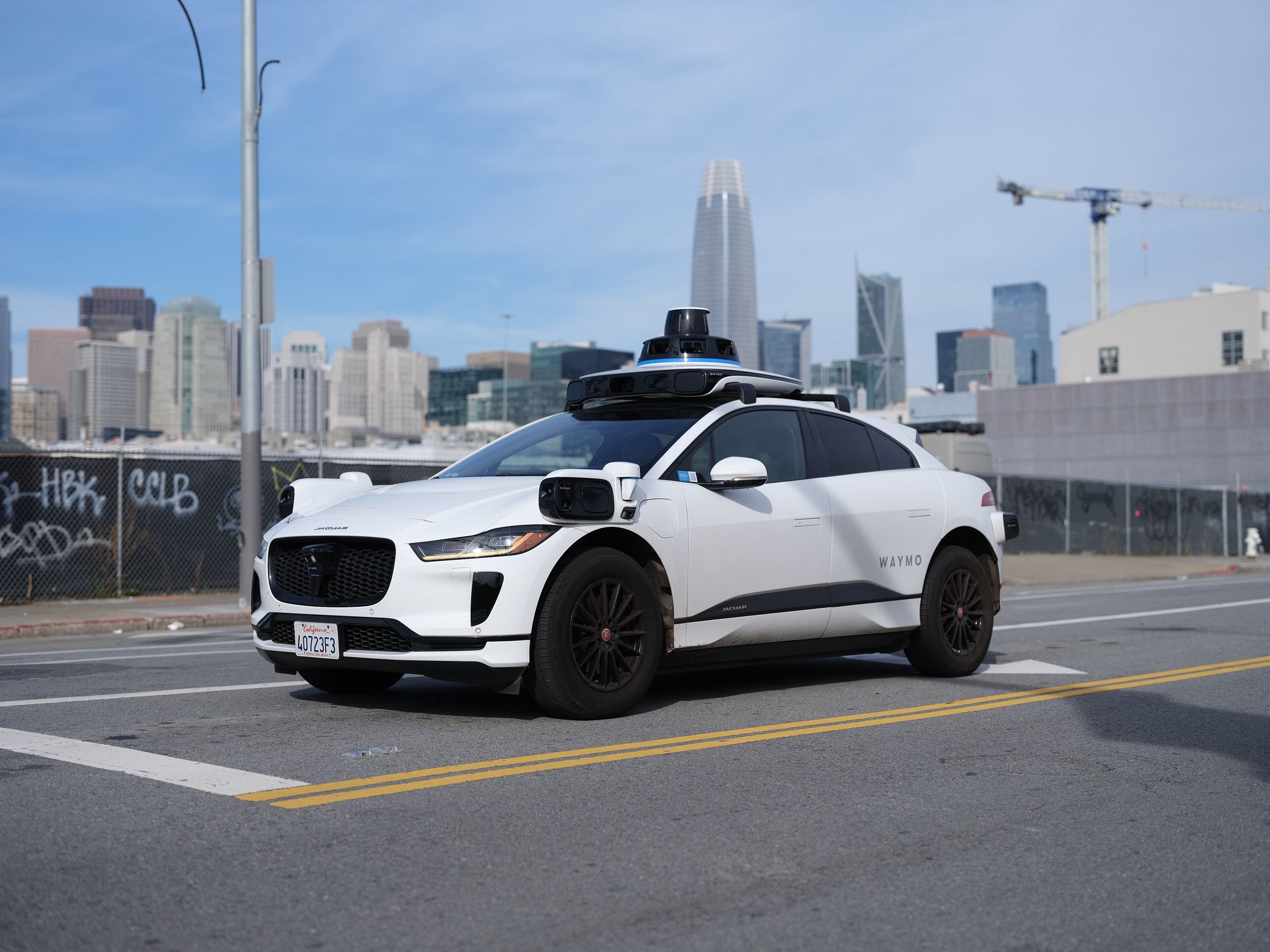
Waymo is bringing its robotaxis to Toronto, its first city in Canada, and aims to carry its first public riders in 2028. Its cars start driving Toronto streets within days, but with human drivers at the wheel while they map the city.
The Alphabet-owned company announced the plan on Thursday, October 16, after Ontario approved it to join the province's automated vehicle pilot program.
Quick facts
| City | Toronto, Ontario |
| Announced | October 16, 2026 |
| Now | Mapping and testing with human drivers |
| Public rides | Targeted for 2028 |
| Fleet partner | Element Fleet Management (Toronto) |
| Regulation | Ontario automated vehicle pilot program |
When is Waymo coming to Toronto?
In stages. According to Waymo and The Canadian Press:
- This fall: specialists drive Waymo cars manually to build high-definition maps of Toronto's streets and collect data.
- Next: test runs with a safety driver behind the wheel, so the software can adapt to what Waymo calls Toronto's "distinct driving conditions."
- 2028: the target for carrying public passengers.
Waymo has not announced a service area, prices, or how many vehicles it will run. Co-CEO Tekedra Mawakana called Canada "an important milestone in Waymo's global journey."
Who is involved?
Element Fleet Management, based in Toronto, will run day-to-day fleet operations, including maintenance, charging and customer service, as it already does for Waymo in San Diego. "As a Canadian company, we are proud to be expanding our partnership with Waymo," said Element CEO Laura Dottori-Attanasio.
Two other Canadian names are already tied to Waymo: CPP Investments, Canada's largest pension fund, is a long-term investor, and Magna builds its vehicles. The partners say they will create "hundreds of roles" over time in maintenance, validation driving, customer service and operations.
Is it legal in Ontario?
For testing, yes. Ontario has allowed automated vehicle testing on public roads since 2016 and added driverless testing in 2019. Transport Canada says self-driving vehicles on public roads are limited to "temporary pilot projects" run by the provinces.
What Ontario has not done yet is publish rules for a paid, fully driverless taxi service. Electrek notes that the current pilot regulation is set to be revoked on October 13, 2027, and the province has not said what replaces it, so 2028 is a deadline for Ontario as much as for Waymo.
Ontario's transportation ministry said by email that the rollout is phased and prioritises safety and job creation, and includes a "credible jobs plan."
Waymo is not the first autonomous company on Toronto roads. Gatik has been rolling out 50 self-driving box trucks for Loblaw in the area under the same pilot program.
Can a robotaxi handle a Toronto winter?
That is the question most people are asking. "All the sensors can get occluded by snow," Sidney Givigi, a robotics professor at Queen's University, told The Canadian Press, pointing to icy hills and blizzards. He added that Waymo's broad set of sensors "makes the whole system more robust."
Waymo describes its system as "all-weather." Its first real snow city in the US is Denver.
Where does Waymo operate?
Waymo says it carries more than 500,000 paid rides a week across more than a dozen US metro areas. Selected markets:
| Market | Status |
|---|---|
| Phoenix | Fully driverless public service since 2020 |
| San Francisco Bay Area | Public service |
| Los Angeles | Public service |
| Austin | Service via Uber |
| Atlanta | Service via Uber |
| Las Vegas, Denver, San Diego, Tampa | Went driverless in 2026 |
| London, Tokyo, Singapore | Announced international markets |
| Toronto | Testing now; public rides targeted for 2028 |
Waymo says, based on its own data, that its cars are involved in 95% fewer crashes causing serious injury or worse than human drivers in the cities where it operates. It has also issued recalls, including after its vehicles drove into construction zones.
How are people reacting?
Supporters: the Automotive Parts Manufacturers' Association's Flavio Volpe called it "a big victory" for Canadian mobility technology. Groups for blind and disabled people, including CNIB, back the service.
Taxi drivers: "There's a possibility that some drivers would be replaced at one point in time," said Marc-André Way, president of the Canadian Taxi Association, adding that cab companies would consider autonomous vehicles "eventually."
City hall: in April, Mayor Olivia Chow's office told the Toronto Star it would not support Waymo if the service cost jobs, and that the company "must demonstrate this will not happen."
Critics: the group Technologists for Democracy has raised concerns about data privacy, jobs and congestion, and urged officials to pause the rollout and consult residents.
The competition
Tesla runs a robotaxi service in seven US cities but has not set a date for any Canadian city, Electrek reports. In the US, regulators opened an audit in September into how Tesla certified its steering-wheel-free Cybercab.
What to watch
Ontario's rules. Whether the province writes a commercial framework for driverless taxis before the current pilot regulation lapses in October 2027.
Winter testing. How Waymo's cars cope with Toronto's first season of snow.
Jobs. Whether the promised jobs plan satisfies city hall and taxi drivers.
Published Sunday, October 18, 2026. Safety and ridership figures are Waymo's own. Waymo has not announced a Toronto service area, pricing or vehicle count.