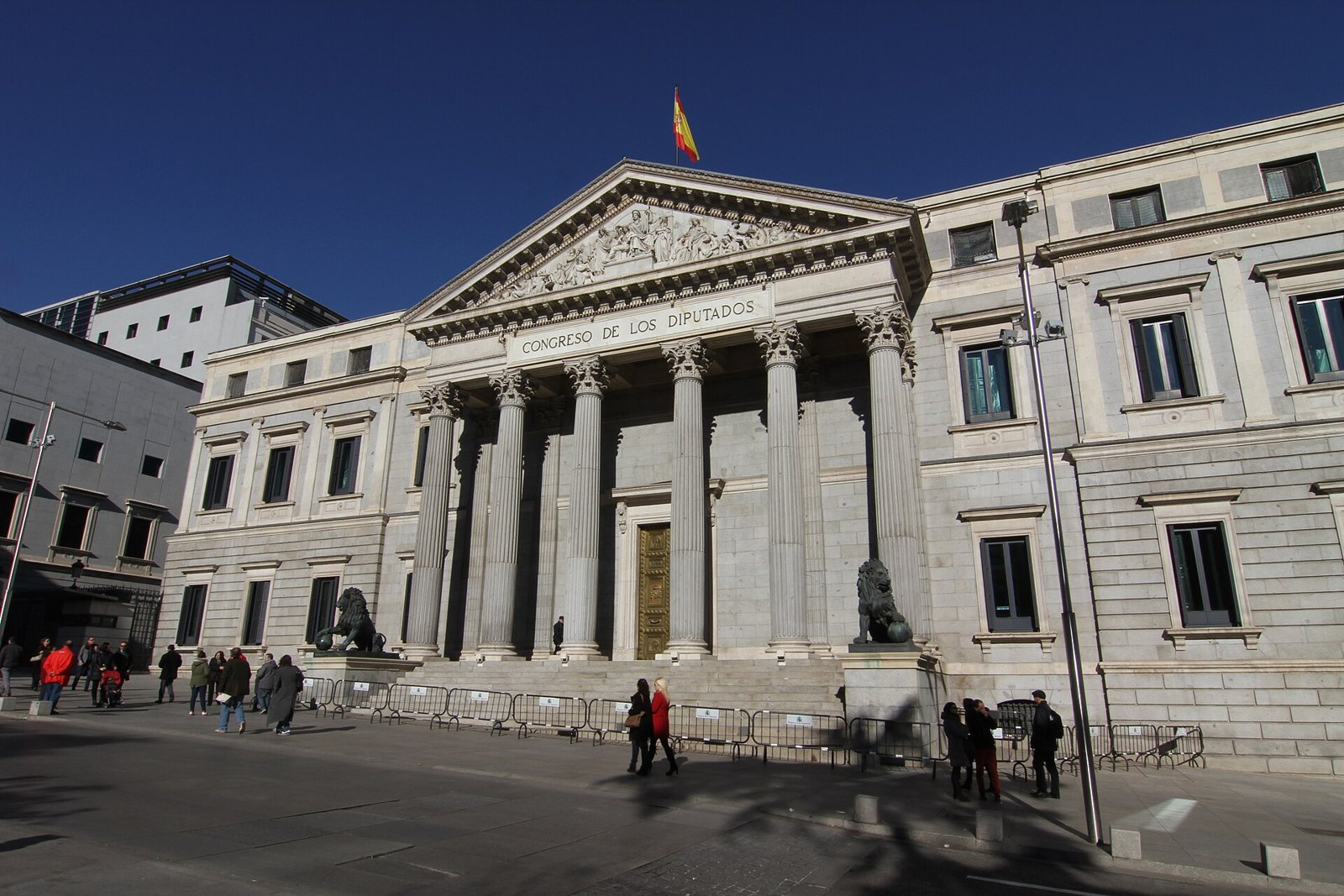
Spain holds a snap general election on Sunday, November 29. Polls show the conservative Popular Party (PP) of Alberto Núñez Feijóo leading Prime Minister Pedro Sánchez's Socialists by about 4.5 to 7 points, with the PP and far-right Vox together projected to win well over the 176 seats needed for a majority.
Sánchez called the election on October 5, three days after parliament rejected his housing plans.
Why did Sánchez call an early election?
On October 2, the PP, Vox and the Catalan party Junts voted down Sánchez's housing relief package. Junts had already withdrawn its support for his minority government in October 2025.
With large housing protests across Spain, Sánchez is betting he can make housing the defining issue of the campaign.
What do the polls say?
| Poll (date) | PP | PSOE | Vox | Sumar |
|---|---|---|---|---|
| RTVE (Oct. 5) | 32.5% (137 seats) | 26.3% (104) | 18.7% (65) | 6.3% (10) |
| El Periódico (Oct. 5) | 31.5% (136) | 26.7% (104) | 18.5% (66) | 6.2% (10) |
| Europa Press (Oct. 6) | 32.9% | 26.2% | 18.6% | 5.7% |
| Electocracia (Oct. 9) | 32.1% (133–134) | 27.6% (112–113) | 18.7% (64–66) | 5.5% (5–6) |
On these projections, the PP and Vox together would hold about 197 to 202 seats.
Who is running?
- PSOE: Pedro Sánchez, prime minister since 2018
- PP: Alberto Núñez Feijóo, who won the most seats in 2023 but could not form a government
- Vox: Santiago Abascal
- Broad Front: a new left-wing platform launched on October 17 by Sumar's member parties, after Yolanda Díaz chose not to run again
- Regional parties: including ERC, Junts, the Basque PNV and EH Bildu
Why are pensions a big issue?
Spain's pension bill is at a record, according to figures compiled by Euronews:
| Monthly pension bill (Sept. 2026) | about €14.5 billion |
| Pensions paid | 10.55 million, to 9.53 million people |
| Average retirement pension | €1,576 a month, up 4.5% in a year |
| Workers per pensioner | 2.37 |
| Reserve fund | €15.3 billion, down from €66.8 billion in 2011 |
| Projected spending by 2050 (AIReF) | 16.4% of GDP |
The government says the Social Security deficit fell to 0.4% of GDP in 2025, the lowest since 2011. Critics, including the think tank Fedea, say that only holds because of large transfers from the state.
What else is on voters' minds?
Housing and the cost of living top the list, alongside corruption investigations involving people close to the government, immigration after the Ceuta crisis, and public services after a string of rail accidents and the 2025 blackout.
Spain's campaign comes as cost-of-living protests sweep other parts of Europe. Read why Europe is protesting.
What to watch
Vox's role. If the PP falls short of 176 on its own, Feijóo would almost certainly need Vox, as polls suggest. How openly he courts them will shape the campaign.
The left's split. The Socialists and the new Broad Front are seeking alliances in smaller constituencies, where a divided left vote can cost seats.
Turnout and postal votes. The PP and Vox have raised questions about postal voting, an issue that could resurface on election night.