Protests over the cost of living swept across Europe this weekend, from France, where hundreds of thousands marched and some cities saw rioting, to Italy, Belgium and Portugal. The common grievance is that food, rent and energy still cost far more than a few years ago while wages have not kept pace.
Euronews notes there is no single Europe-wide movement. The demands and organisers differ from country to country.
Why are Europeans so angry about prices?
Inflation has slowed, but prices have not come back down. According to Eurostat data analysed by Euronews:
| Measure | Change |
|---|---|
| EU food and non-alcoholic drink prices, Aug. 2021–Aug. 2026 | +34% |
| Food a minimum wage can buy, Malta | −6% |
| Food a minimum wage can buy, Spain | −5% |
| Food a minimum wage can buy, France | −4% |
Housing is the other big pressure, especially for renters and young people in cities. Concerns about education costs and public services have added to the anger, particularly among students.
Where have the protests been?
| Country | What happened |
|---|---|
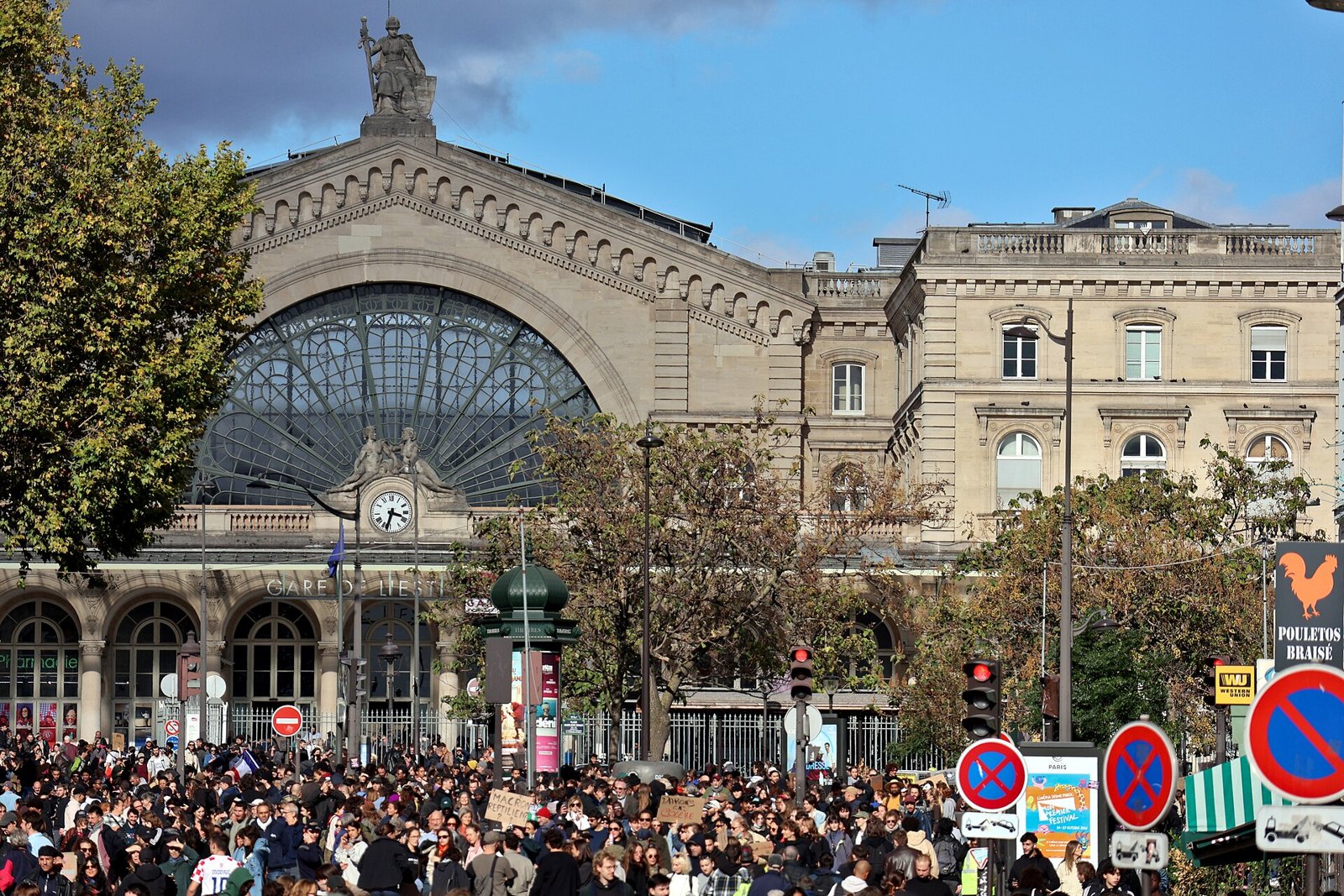
| France | Hundreds of thousands marched on Oct. 17; riots and looting in Paris, Lyon, Marseille, Lille, Bordeaux and Limoges; about 1,500 shops damaged |
| Italy | Clashes in Milan, Turin and Bologna; 25 injured and 50 detained in Milan |
| Belgium | Police clashed with demonstrators in Brussels and Liège |
| Portugal | Thousands rallied for higher wages, better pensions and affordable housing |
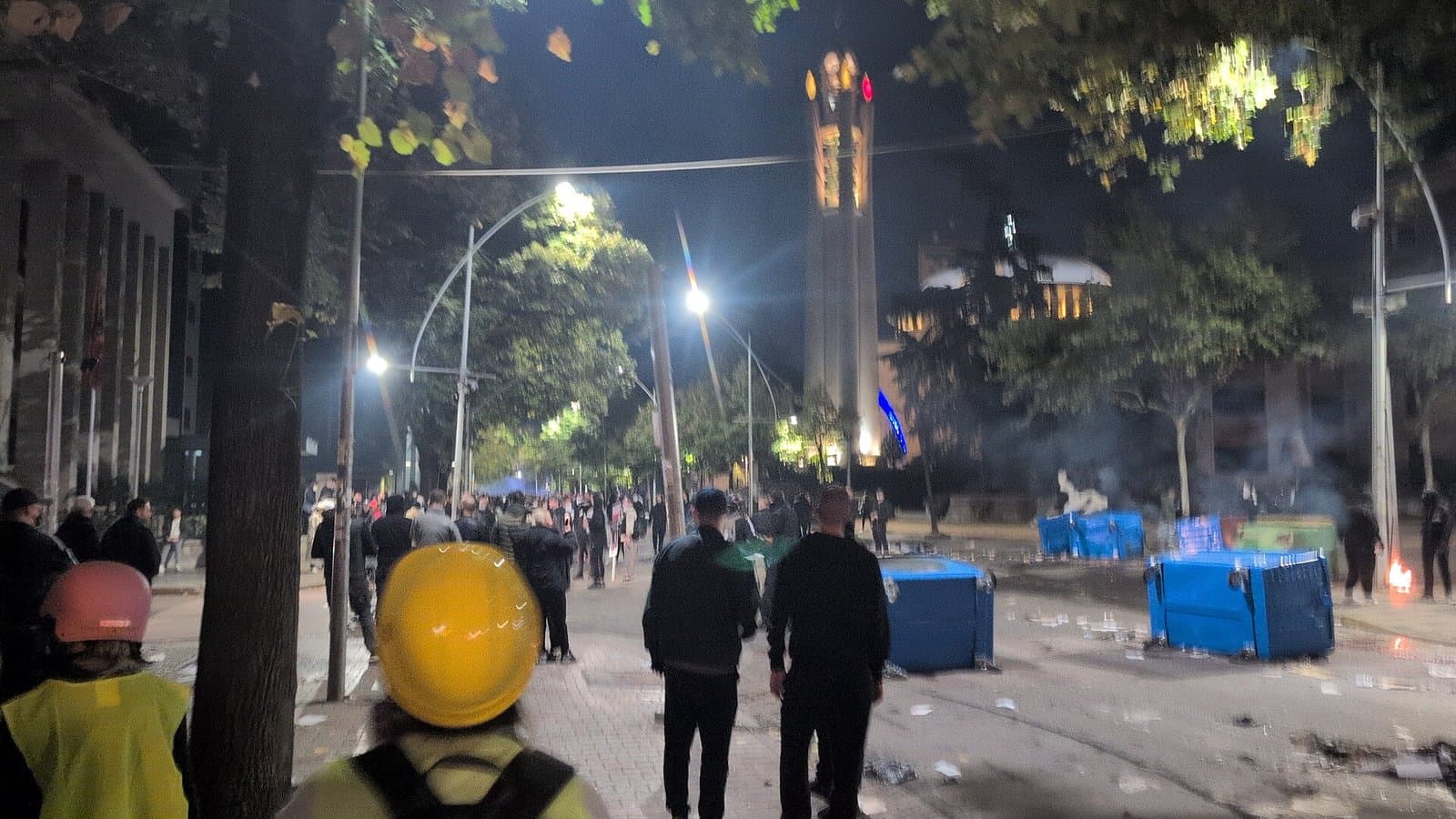
| Albania | Nearly a week of violent anti-government protests over corruption and education |
What happened in France?
France saw the biggest and most violent protests. Students led many of the marches, joined by groups including yellow vest activists. In Limoges, the historic town hall caught fire and its spire collapsed. Read our full coverage of the French protests.
President Emmanuel Macron has vowed to hold those responsible to account. On Monday, France's police watchdog opened four investigations into police conduct on October 17, Anadolu Agency reported.
What happened in Italy?
In Milan, police used tear gas and water cannon as clashes spread to Piazza Duomo and the Galleria Vittorio Emanuele II. Twenty-five people were injured, including ten officers, and 50 were detained, half of them minors, according to Euronews.
Prime Minister Giorgia Meloni said protest is a right but condemned the violence. Milan's mayor, Giuseppe Sala, said the reasons for the protest were understandable but the violence was "unjustifiable."
What does it mean for the economy?
Retail federation president Alexandre Bompard put the damage to French businesses at "several hundreds of millions of euros."
On Monday, France's CAC 40 and Italy's FTSE MIB opened down more than 1.5%. Investors were already nervous about France's public finances, its 2027 budget and next year's presidential election.
What to watch
More marches. Whether student and union groups call further days of action, and whether they stay peaceful.
Elections. Spain votes on November 29, with housing and pensions at the centre of the campaign. Read our Spain election guide.
Government responses. Whether leaders answer with concessions on wages, rents or education costs, or mainly with policing, will shape what happens next.