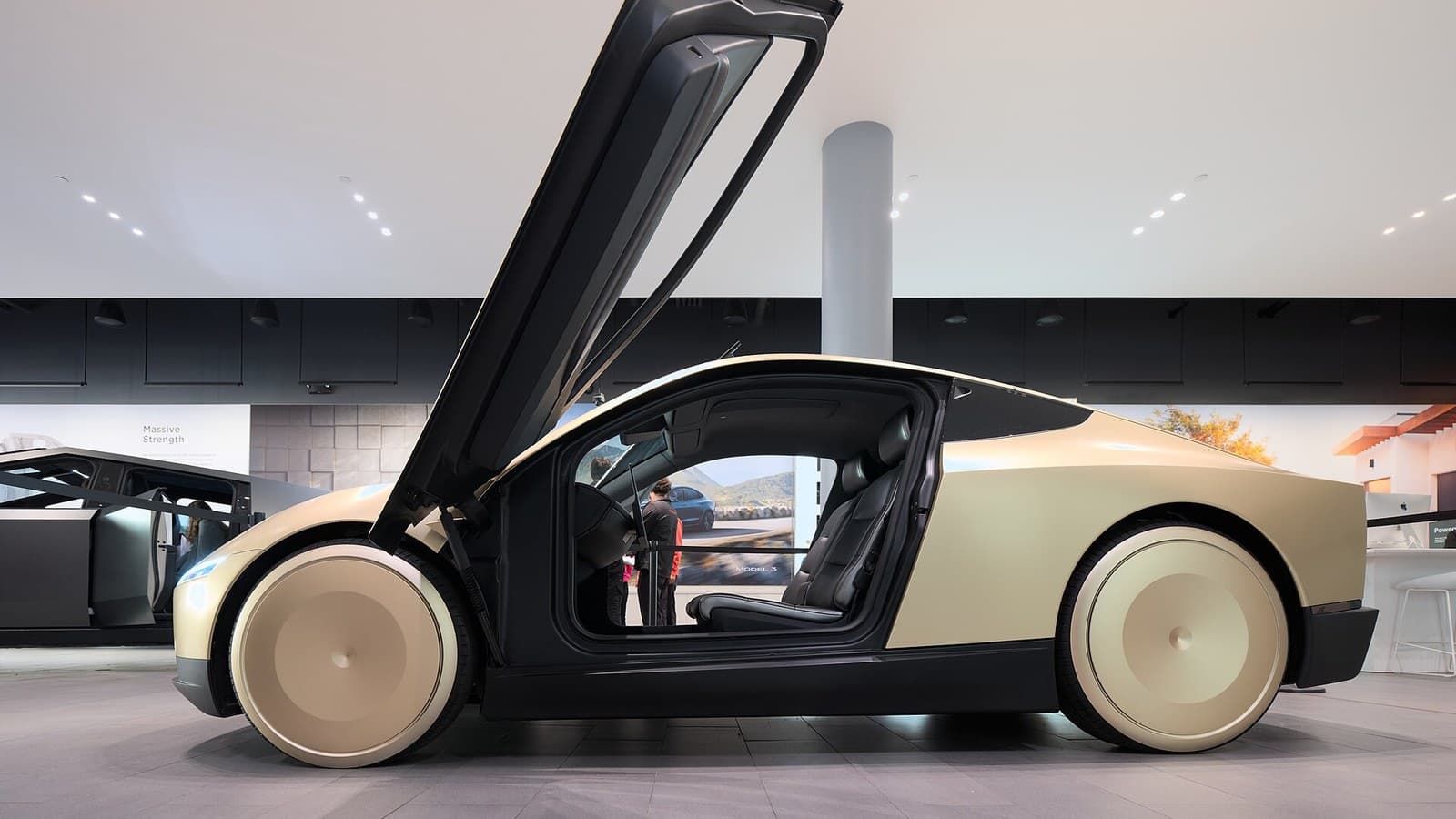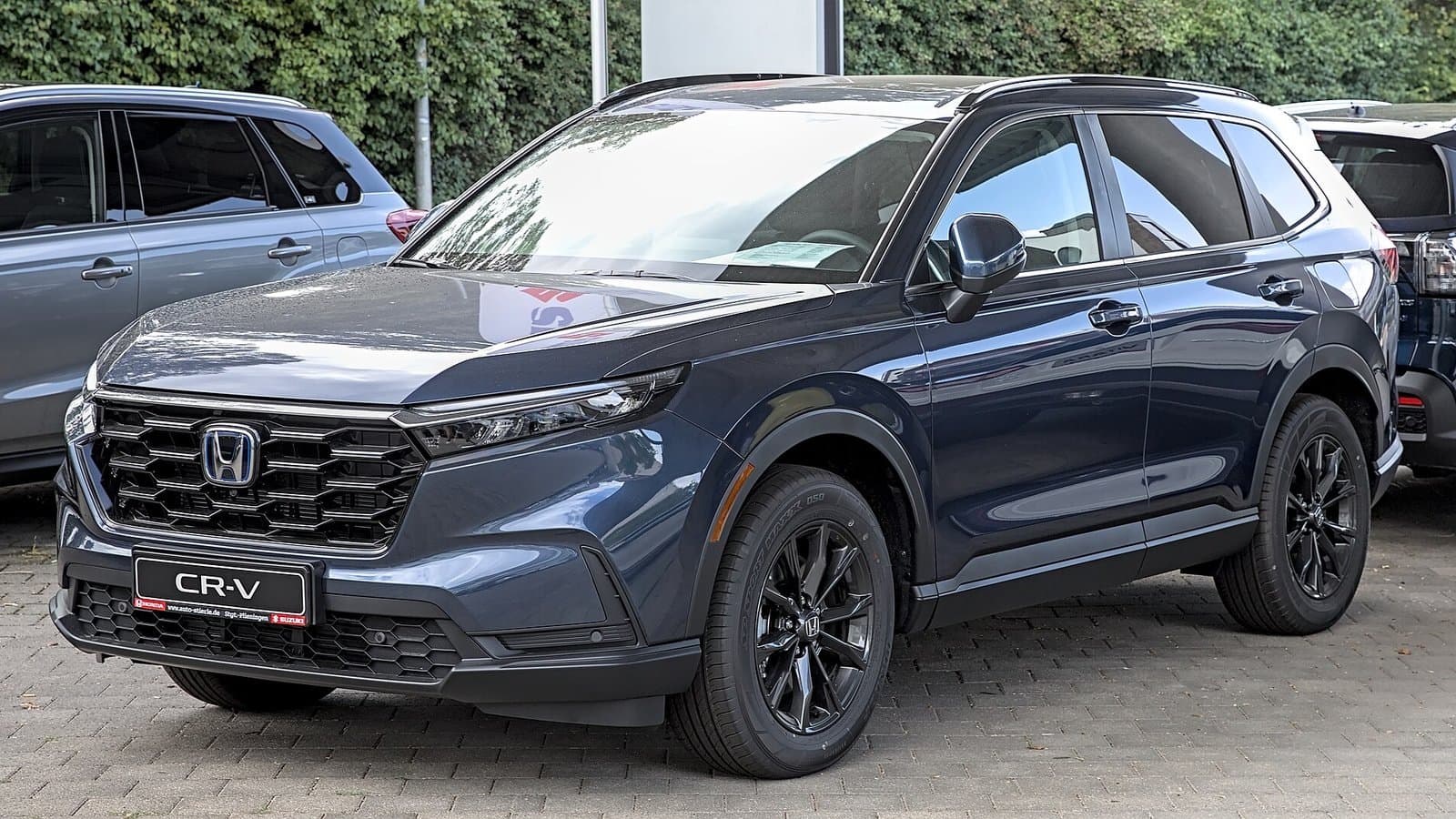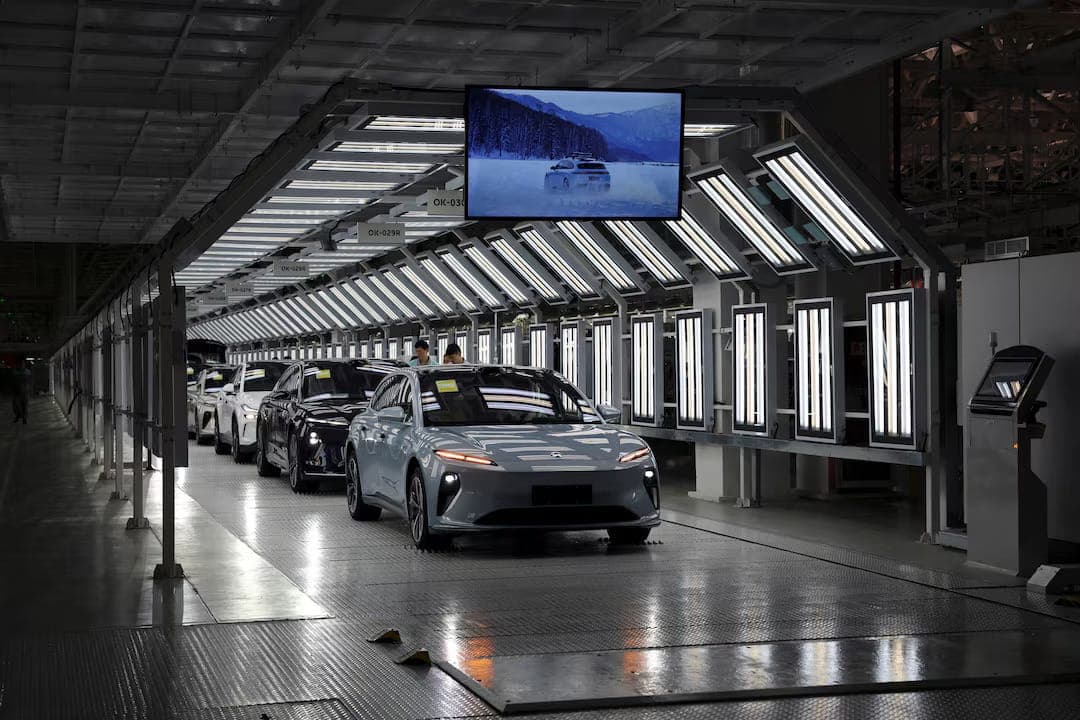
For the first time, the world bought more than 2 million electric vehicles in a single month. Global EV sales hit 2.0 million units in June 2026, according to Benchmark Mineral Intelligence, lifting the year-to-date total to 9.6 million and keeping the industry on track for another record year. Sales rose 7% from June 2025 and 11% from May.
It's a milestone worth marking. It's also a headline that hides more than it reveals — because that single global number is the sum of three regional stories moving in almost opposite directions.
Europe is the engine right now
The clearest momentum is in Europe, which posted yet another record month: registrations up 31% year over year and 28% from May, running 27% ahead of the first half of 2025. France, Denmark, Spain and Portugal each set all-time monthly highs. In France, Renault alone captured about 20% of the EV market, and four of the country's five best-selling electric cars carried a French badge.
What's powering the surge is a combination of stricter emissions rules, government incentives, higher fuel prices and — most importantly — a fresh wave of genuinely affordable models. Volkswagen Group has started delivering cheaper EVs like the ID.Polo, Cupra Raval and Skoda Epiq, all built in Spain on dedicated electric platforms that drive production costs down. Unlike the earlier generation of small EVs that struggled to make money, these compact cars are built to be profitable — and to finally open up the lower-priced end of the market.
North America is going the other way
Cross the Atlantic and the trend reverses. North American EV sales are down 20% year to date, dragged lower by weaker policy support and the looming expiration of the U.S. federal EV tax credit later this year. The pullback is sharpest among domestic automakers: battery-electric sales at both General Motors and Ford have fallen faster than the overall U.S. EV market as several American manufacturers quietly dial back their electrification plans.
It's a striking divergence — the same product category setting records in one wealthy market while retreating in another, driven almost entirely by which way each government's incentives are pointing.
China cools at home, floods the world
China remains the largest EV market on the planet, but its own demand is softening. June sales there fell 11% from a year earlier, leaving the market 14% lower year to date. What China is losing at home, though, it's making up abroad: Chinese automakers exported nearly 500,000 new-energy vehicles in June, another monthly record. With European tariffs slowing pure battery-electric exports, many Chinese brands have pivoted to plug-in hybrids to keep the overseas volume flowing.
The split, in one set of numbers
The regional breakdown makes the divergence impossible to miss. Of June's 2 million sales, China accounted for roughly 1.0 million, Europe about 0.53 million, the "rest of world" category around 0.30 million (up a remarkable 98% year over year), and North America just 0.13 million.
That last figure is the tell. The global EV market is still growing, still setting records, and still on pace for its best year ever at 9.6 million units through June. But the growth is no longer a rising tide lifting everyone at once. It's increasingly a story of policy — where incentives are generous and cheap models are arriving, sales boom; where support is fading, they stall. Where the next 2-million-unit month comes from depends less on the technology than on which way each region's rules break next.