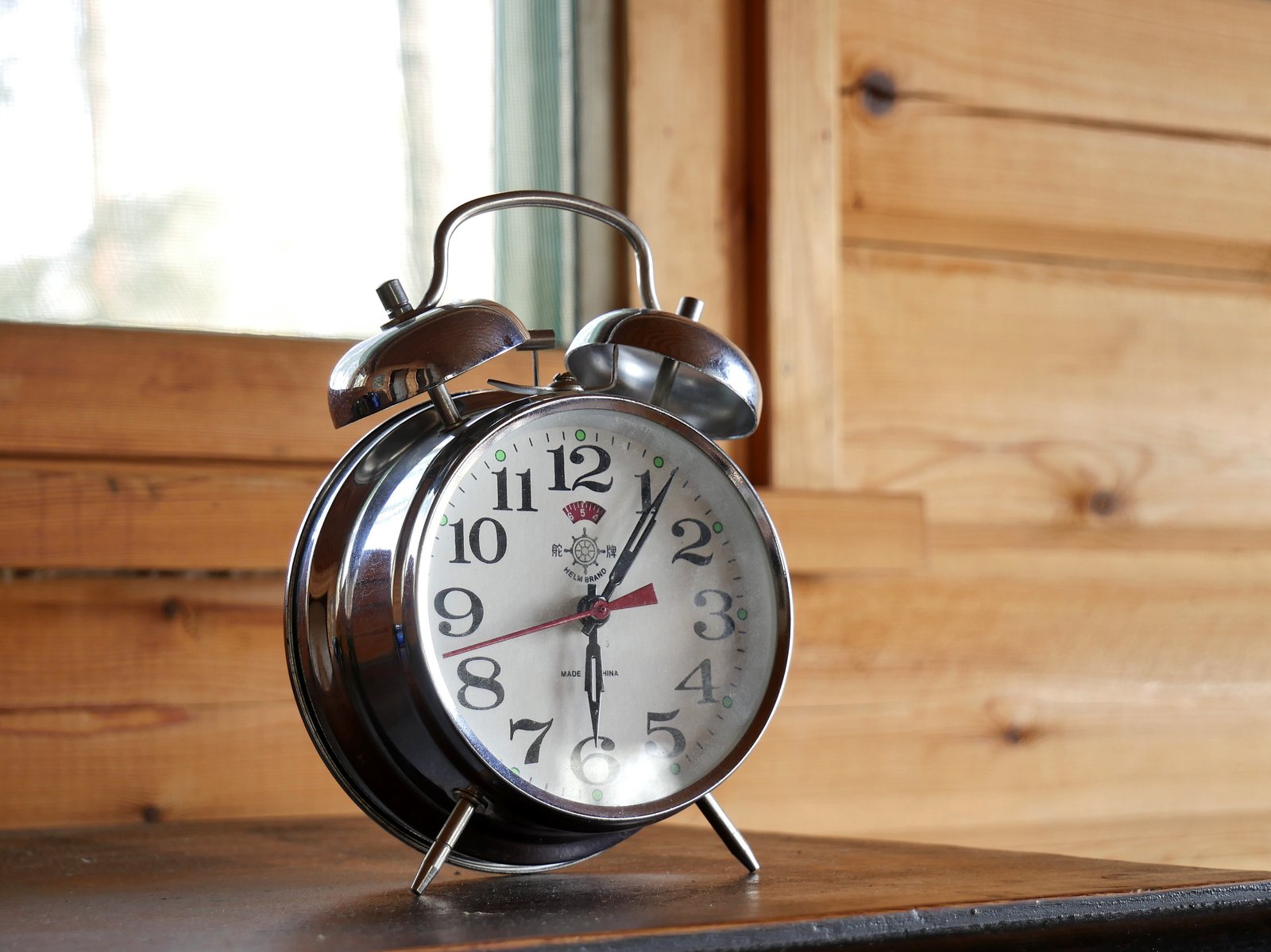
Daylight saving time ends at 2 a.m. local time on Sunday, November 1, 2026. Clocks fall back one hour to 1 a.m., giving most people an extra hour of sleep on Saturday night, October 31, which is also Halloween.
Under federal law, daylight saving time always ends on the first Sunday in November, according to the National Institute of Standards and Technology (NIST).
What time do the clocks change?
At 2:00 a.m. local time, clocks go back to 1:00 a.m. That means the hour from 1 a.m. to 2 a.m. happens twice.
| Date | Time | Change | |
|---|---|---|---|
| DST ends 2026 | Sunday, Nov. 1, 2026 | 2 a.m. → 1 a.m. | Gain 1 hour |
| DST starts 2027 | Sunday, March 14, 2027 | 2 a.m. → 3 a.m. | Lose 1 hour |
| DST ends 2027 | Sunday, Nov. 7, 2027 | 2 a.m. → 1 a.m. | Gain 1 hour |
The 2027 dates follow the federal rule: daylight time starts on the second Sunday in March and ends on the first Sunday in November.
Do I need to change my clocks?
- Automatic: Smartphones, computers, smartwatches and most connected TVs and thermostats update themselves.
- Manual: Older car clocks, microwaves, ovens, wall clocks and some alarm clocks need to be set back by hand.
Many people set their manual clocks back an hour before bed on Saturday, October 31.
What changes after we fall back?
- Mornings get lighter. Sunrise moves an hour earlier on the clock.
- Evenings get darker. Sunset moves an hour earlier, often before 5 p.m. in northern states by late November.
- Drivers should be careful. The evening commute suddenly happens in the dark, when pedestrians are harder to see.
It's also a common reminder to test smoke and carbon monoxide alarm batteries.
Which states don't change their clocks?
| Place | Observes DST? |
|---|---|
| Hawaii | No |
| Arizona (except the Navajo Nation) | No |
| Navajo Nation, Arizona | Yes |
| Puerto Rico, US Virgin Islands, Guam, American Samoa, Northern Mariana Islands | No |
| All other states | Yes |
Is daylight saving time going to be permanent?
Not yet. The House has passed the Sunshine Protection Act, 308–117, to put the country on daylight saving time year-round. It still has to pass the Senate and be signed. Until that happens, the twice-a-year change remains the law, so clocks will fall back on November 1 as usual.
A competing bill would make standard time permanent instead. See our map of what winter sunrises would look like under permanent daylight saving time.
Why do we have daylight saving time?
Daylight saving time moves an hour of daylight from early morning to evening during the longer days of the year. The current schedule comes from the Energy Policy Act of 2005, which added about a month to daylight time starting in 2007 to save energy, NIST says. Congress kept the option to go back to the old schedule if the change proved unpopular.
The U.S. Department of Transportation, not NIST, oversees daylight saving time and time zones.