Brazil has denied entry visas to two senior U.S. State Department officials who had planned to travel to Brasília next week, ahead of the country's October 4 presidential election.
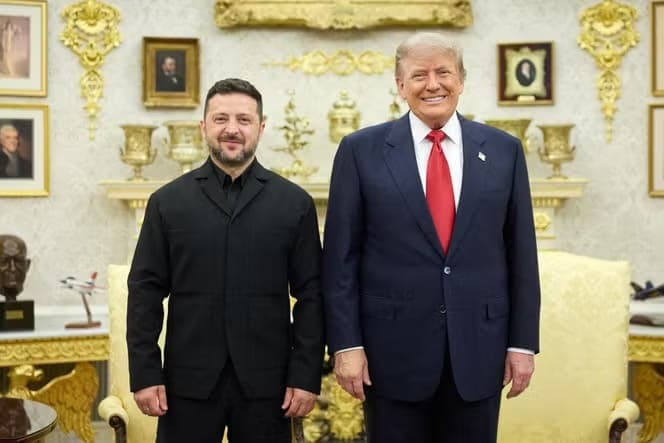
The officials are Riley M. Barnes, an assistant secretary, and Samuel Samson, a deputy assistant secretary — both political appointees in the Trump administration. They had applied through the Brazilian consulate in Washington and were scheduled to be in the country from July 27 to 30.
Two accounts of the same trip
Brazil's position, according to two Brazilian officials who spoke anonymously: the government regarded the visit as election interference, and cited the risk of political exploitation in the run-up to the vote. Brasília has not published a detailed formal explanation.
The State Department's position, on the record: the trip was routine. The department said Barnes and Samson intended to meet government officials, religious leaders and others to discuss election integrity, religious freedom and freedom of expression, and rejected the framing directly — "any insinuation of a 'ploy' to undermine a democratic nation's election is a baseless lie."
Those accounts are not reconcilable, and readers should be clear about which parts are established. What is confirmed: the visas were requested, the stated purpose included meetings with authorities involved in the electoral process, and the visas were refused. The characterization of intent is contested, and the sourcing on each side is different in kind — anonymous officials on one, an on-the-record department statement on the other.
The context this lands in
This is not the first visa dispute between the two governments. In July 2025 the United States restricted visas for Brazilian officials over the prosecution of former president Jair Bolsonaro, which Washington characterized as a witch hunt. Brazil revoked a U.S. official's visa in a reciprocal move, and President Lula publicly denounced the revocation of the Brazilian justice minister's visa.
Relations have been strained across several fronts since. A refusal of this kind is a serious diplomatic act between two large democracies in the Western Hemisphere, and it does not happen absent a considerable amount of prior friction.
Why the electoral system specifically
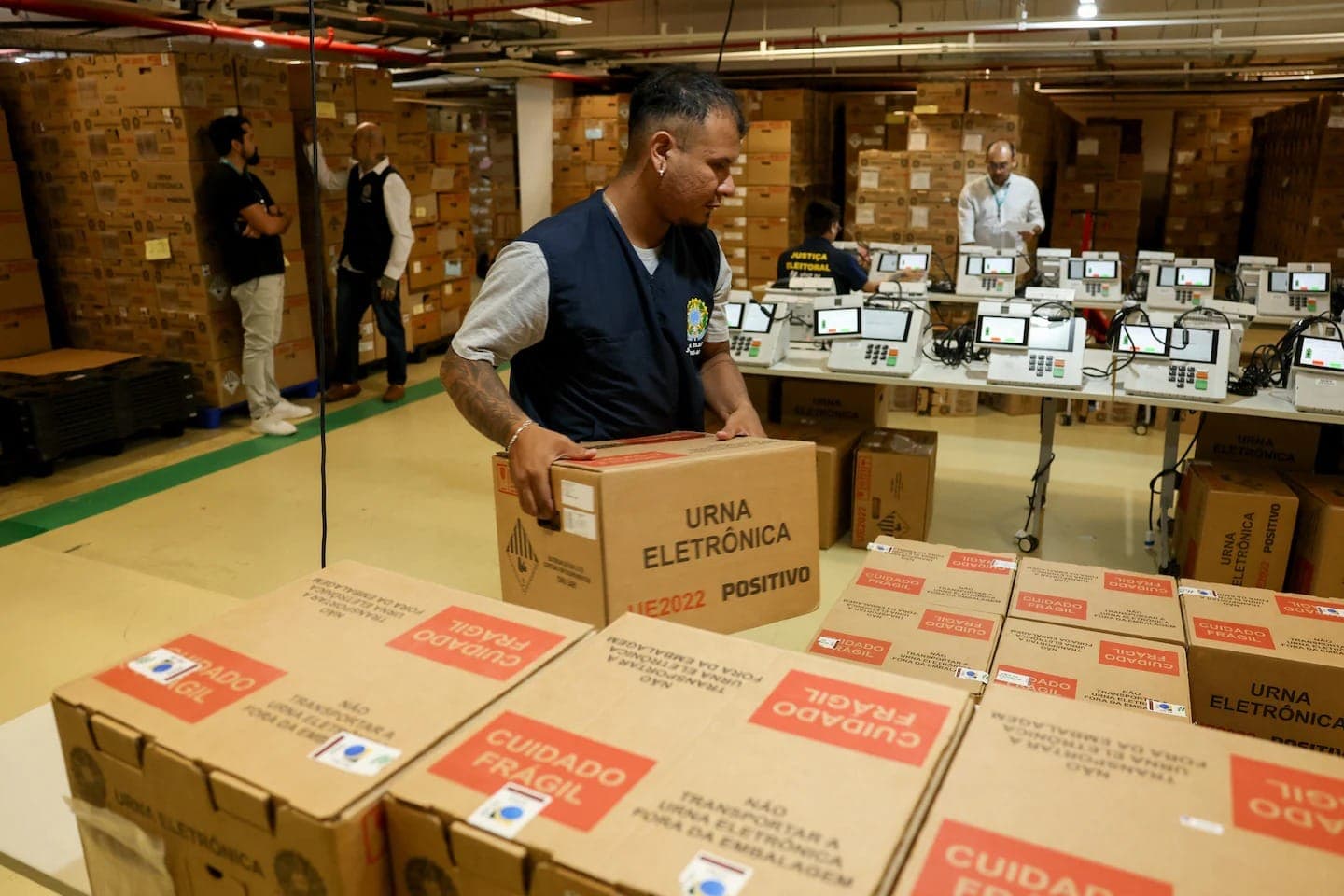
Brazil votes electronically, and the integrity of that system has been the central claim in a long-running domestic political dispute — most prominently advanced by Bolsonaro and his allies before and after the 2022 election, and repeatedly examined by Brazilian electoral authorities and independent audits.
That history is why a foreign delegation proposing meetings about "election integrity" weeks before a vote reads differently in Brasília than the same phrase might elsewhere. It is also why the State Department's insistence that the trip was routine has not been accepted there.
Neither reading has been established by anything on the public record beyond the two statements themselves.