More than a hundred wealthy Britons have written to their country's new prime minister with an unusual request: tax us more. In an open letter to Andy Burnham — who took office on July 20, succeeding Keir Starmer — a group of 120 millionaires organized by the campaign group Patriotic Millionaires urged the government to impose higher taxes on large fortunes, arguing that the very richest can and should contribute more to Britain's finances.
"We can afford it," the letter states. "We're not talking about higher taxes on those who get up and go to work for their income every day, but on the very richest whose income is derived from the wealth they hold." The signatories frame the ask as patriotism rather than penance: "Millionaires are a patriotic bunch. We love this country and we want it to succeed."
Who signed, and what they want
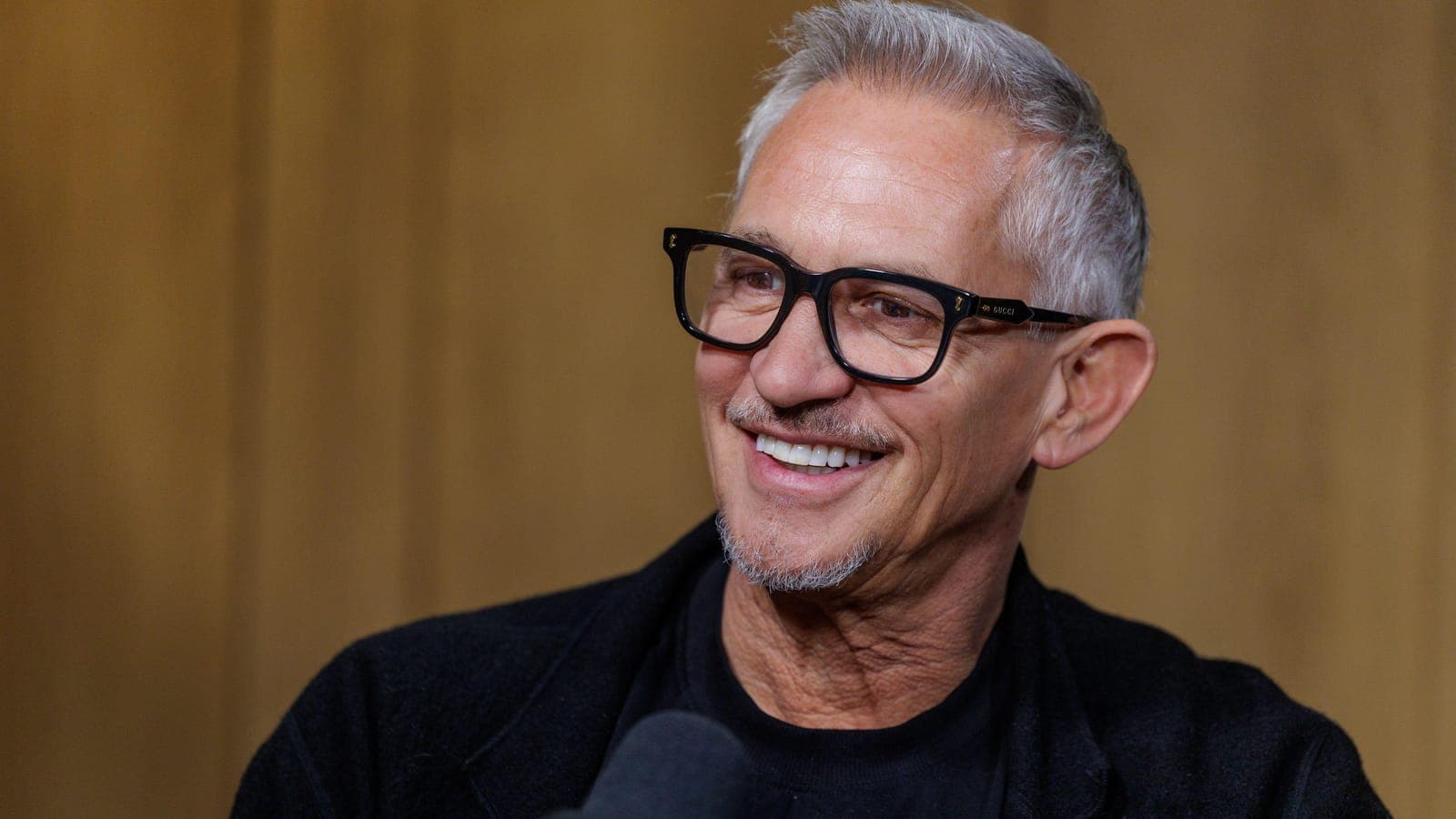
The letter's most recognizable name is Gary Lineker, the former England striker and, until recently, the BBC's highest-paid presenter, reportedly worth around £30 million. He is joined by a roster of well-known figures including musician and producer Brian Eno, Notting Hill director Richard Curtis, Scottish crime writer Val McDermid, former Greggs managing director Ian Gregg, and former City trader turned inequality campaigner Gary Stevenson.
Their specific proposal, backed by Patriotic Millionaires, is a 2% annual tax on wealth above £10 million. The group argues such a levy would fund investment, reduce inequality and support a "devolution of wealth and power from the very richest" back into Britain's regions. The campaigners say their own polling found a majority of millionaires would support paying more, and the letter takes a pointed swipe at holdouts: those who "can't see past the end of their own self interest," it says, "have no place in designing a Britain for the future."
A cautious government and a skeptical opposition
For Burnham, the letter is an early test of how far his new government will go on tax. He has not committed to a wealth tax, but he did not rule one out when Lineker asked him about it shortly before he became prime minister, suggesting he might eventually need "to ask for a little more." His Treasury has since responded warmly but without promises. Chief Secretary to the Treasury Emma Reynolds said she welcomed wealthy people volunteering to pay more, but stressed that any major tax changes would be set out in a Budget — and noted that individuals can already donate money to the Treasury voluntarily.
The opposition was blunter. Conservative leader Kemi Badenoch dismissed the appeal by pointing to that same voluntary route: Lineker, she said, is "very welcome to pay more tax — he can write a cheque to the Treasury, no one is stopping him." That retort captures a common critique of the campaign, and of wealth taxes generally: skeptics argue that those who want to give more already can, and that a formal wealth levy raises thorny practical problems, from valuing illiquid assets each year to the risk that the very rich — and their capital — simply move abroad. Supporters counter that voluntary giving will never raise meaningful sums, and that only a systematic tax can address inequality at scale.
The bigger debate
The appeal lands in a live argument inside Britain's governing party about how to fund public services without raising taxes on ordinary earners. Similar millionaire-led campaigns have surfaced in previous years, and other senior figures have floated their own versions of a "wealth tax that works." Whether Burnham embraces the idea, waters it down, or sets it aside will be an early signal of the direction of his premiership. For now, the striking image is the one the letter intends: a line of wealthy Britons publicly asking to hand over more of their money — and a government, so far, responding with thanks rather than a plan.