A federal appeals court has ruled that California buyers who paid for Tesla's Full Self-Driving cannot sue the company together as a class. On Friday, October 16, 2026, a three-judge panel of the Ninth Circuit Court of Appeals threw out the order that had certified three classes in the fraud case LoSavio v. Tesla, saying the plaintiffs could not show that every buyer saw the claim at the center of the case.
It is a significant win for Tesla, but a narrow one. The court did not decide whether Tesla's self-driving claims were true, and the lawsuit itself is still alive.
Quick facts
| Case | LoSavio v. Tesla (9th Cir. No. 25-7927) |
| Ruling | October 16, 2026 |
| Judges | Ronald Gould, Jay Bybee, Daniel Bress |
| What it did | Vacated three class certifications (two damages classes, one injunctive class) |
| What it didn't do | Decide whether Tesla's Full Self-Driving claims were false |
| What's next | The case returns to U.S. District Judge Rita Lin in San Francisco |
What is the Tesla Full Self-Driving lawsuit about?
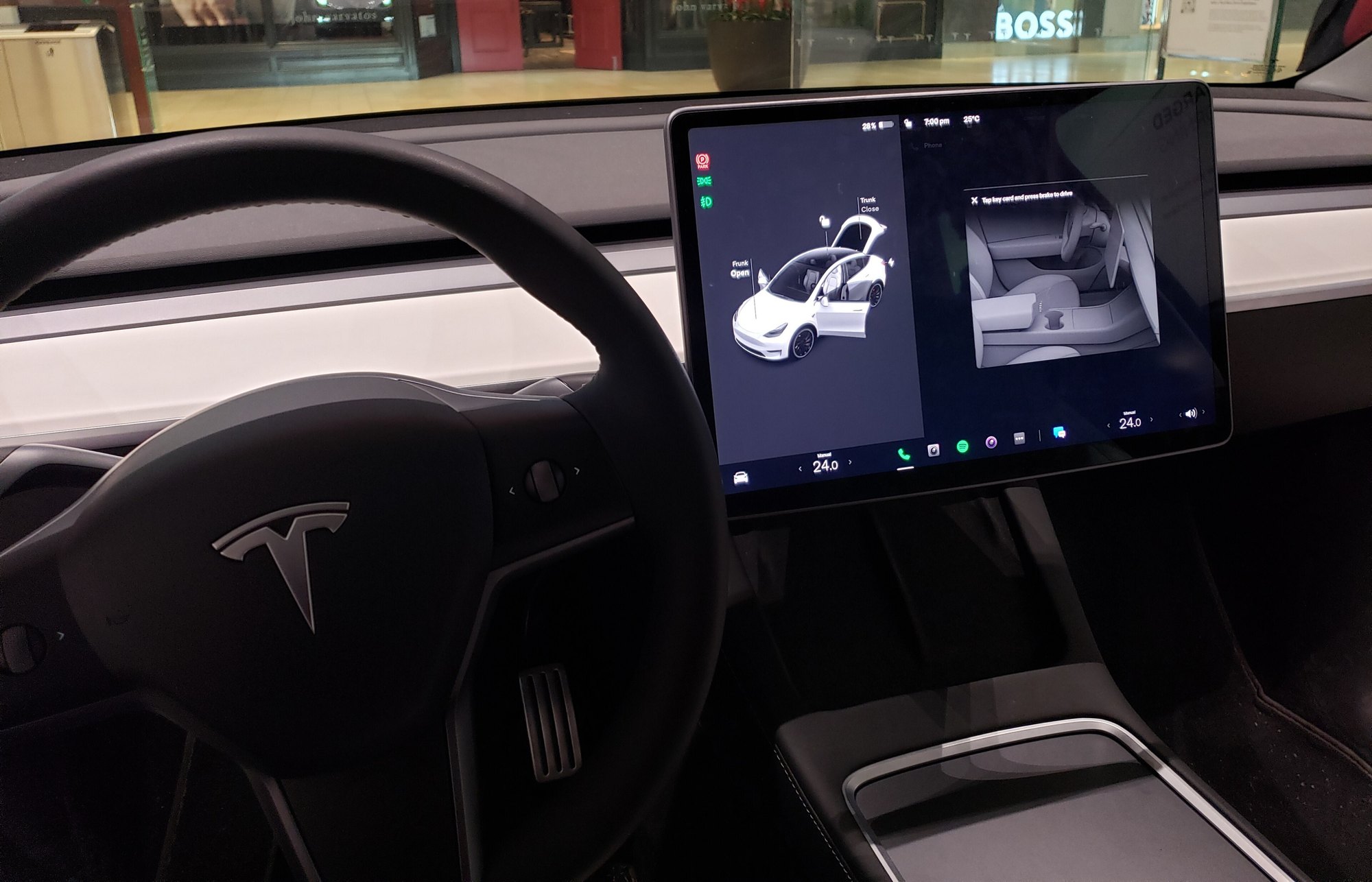
The case centers on a statement Tesla made starting in October 2016: that the cars it was building had the hardware needed for full self-driving capability.
Lead plaintiff Thomas LoSavio bought a Model S in early 2017 and paid extra for Full Self-Driving. He filed suit in 2022, alleging Tesla misled buyers about the cars' hardware and pushed them to pay thousands of dollars for software that, he says, never delivered what was promised. Tesla denies the claims. Elon Musk has since acknowledged that some earlier cars would need computer upgrades to run future versions of the software.
In August 2025, U.S. District Judge Rita Lin certified three classes of California buyers who paid for Full Self-Driving, reasoning that people spending that much money would likely have looked at Tesla's website, where the hardware claim appeared. Most other named plaintiffs had already been sent to private arbitration in 2023 under Tesla's purchase agreement.
Why did the appeals court reverse class certification?
The problem, the panel said, was who actually saw the claim.
The hardware statement appeared on Tesla's Autopilot webpage. Nothing required buyers to pass through that page to complete a purchase. The panel said Judge Lin was wrong to presume every Full Self-Driving buyer had seen it, and found that Tesla's website-traffic data and its other public statements did not prove classwide exposure. A statement printed on a product label, it noted, is different, because every buyer has the label in front of them.
Because the common questions about exposure did not outweigh the individual ones, the panel vacated both damages classes, and the injunctive-relief class fell with them. The decision was issued as an unpublished memorandum, which means it does not set binding precedent.
What did both sides say?
Lawyers for the plaintiffs said "the panel did not fully appreciate the unique circumstances here," Reuters reported.
Tesla did not immediately respond to a request for comment and has denied the claims. The U.S. Chamber of Commerce filed a brief supporting Tesla's appeal, arguing that the class ruling "threatens to substantially increase the costs" for businesses and consumers.
What does the ruling mean for FSD owners?
- No group lawsuit, for now. California Full Self-Driving buyers cannot pursue these claims together as a class.
- The case continues. LoSavio's own claims go back to Judge Lin, and the hardware claim has still not been tested on the merits.
- Individual claims may still be possible, though many buyers signed purchase agreements that send disputes to private arbitration instead of court.
- A narrower class is possible. Plaintiffs could try again with a tighter class definition; nothing so far shows they have.
This is not legal advice. Owners weighing a claim should talk to a lawyer.
Is Tesla facing other Full Self-Driving pressure?
Yes, on two other fronts.
California's DMV. In December 2025, a California administrative law judge sided with the Department of Motor Vehicles, finding Tesla's Autopilot and Full Self-Driving marketing misleading and calling the "Full Self-Driving" name "unambiguously false and counterfactual." Tesla was given 60 days to fix its marketing or face a 30-day suspension of its licenses. The DMV said in February 2026 that Tesla had taken corrective action, so no suspension was imposed. Tesla then sued the DMV to overturn the finding and remove the "false advertiser" label.
Federal regulators. The National Highway Traffic Safety Administration has separate inquiries open into Tesla's driver-assistance technology, including a review of how it certified its driverless Cybercab. Friday's ruling does not affect any of them. For more on Tesla's business, see our report on Tesla's second-quarter earnings.
What to watch
Judge Lin's next move, and whether the plaintiffs try to certify a narrower class.
Arbitration. How many individual buyers bring claims on their own.
The DMV lawsuit, which could decide whether Tesla keeps the "false advertiser" finding on its record in California.
Published Sunday, October 18, 2026. Details of the ruling are from Reuters, MLex and reporting on the Ninth Circuit's memorandum. The ruling concerns class certification only; no court has decided whether Tesla's Full Self-Driving claims were false. This article is not legal advice.