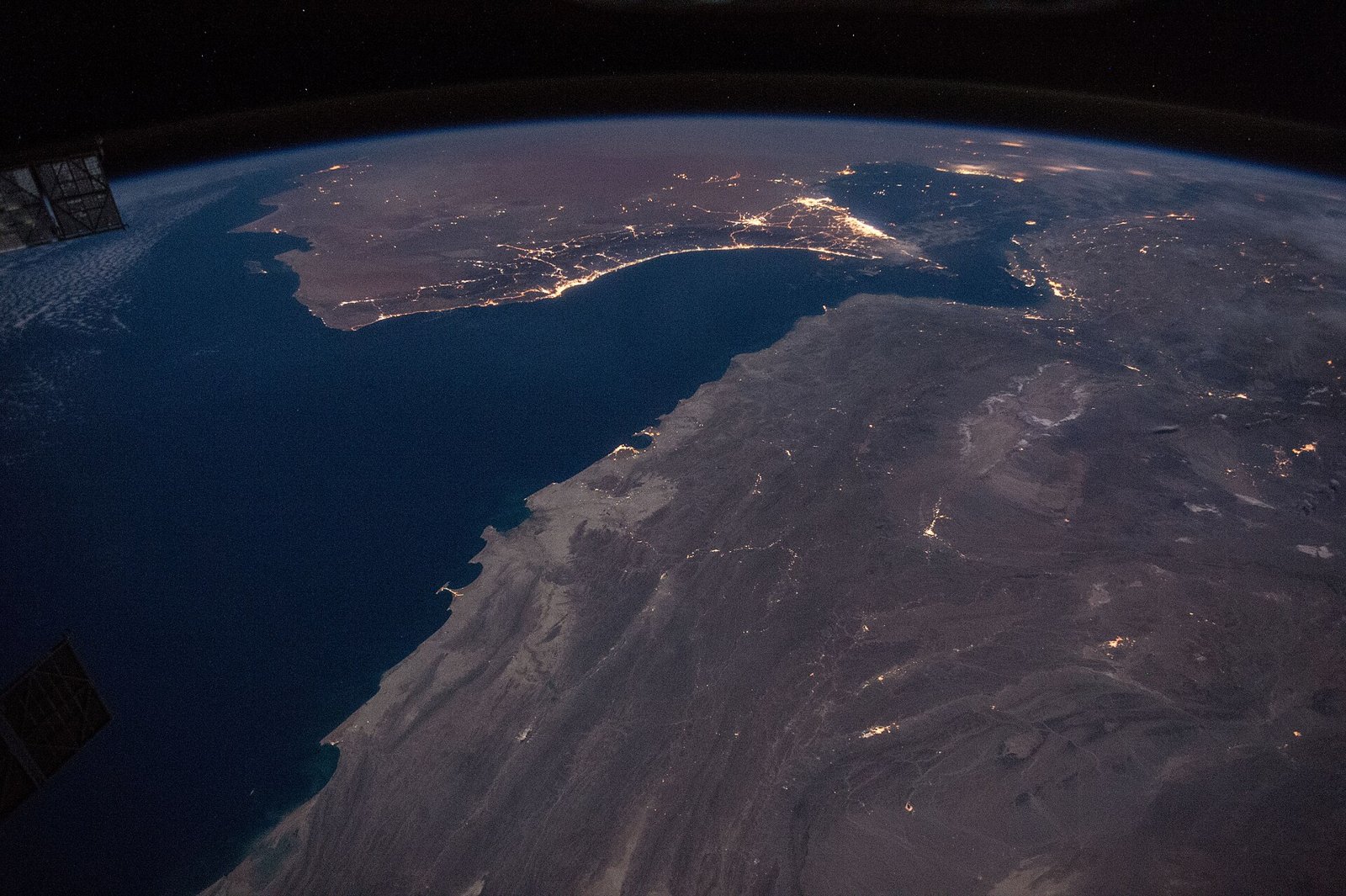
Attacks on ships in the Strait of Hormuz have reached their highest level since the war with Iran began in February. There have been 23 attacks since October 1, almost double the monthly average, and Iran's Revolutionary Guards say two supertankers struck mines and caught fire on Friday and Saturday.
A container ship sank after hitting a mine on Wednesday, according to Iran's navy, AFP reported.
What has happened in the past week?
| Date | Incident |
|---|---|
| Sun., Oct. 11 | Six vessels attacked in or near the strait, the most in a single day of the war |
| Tue., Oct. 13 | Four more vessels attacked |
| Wed., Oct. 14 | Container ship sinks after hitting a sea mine, Iran's navy says |
| Thu.–Fri., Oct. 15–16 | Iran's army reports two tankers on fire in its "prohibited zone" in the Gulf of Oman |
| Fri., Oct. 16 | Two tankers struck off Saudi Arabia's Gulf coast, maritime monitors say |
| Fri.–Sat., Oct. 16–17 | Two supertankers, each reportedly carrying over 2 million barrels, hit mines and catch fire, the Revolutionary Guards say |
The data come from the security firm Vanguard, the International Maritime Organization and the UK's UKMTO maritime agency.
Is the Strait of Hormuz open?
Partly. Ships are still moving, and traffic had recovered to about 80% of pre-war levels in early October, according to Vanguard analyst Barun Gupta.
But the two sides describe it very differently:
- Washington says the strait is under US control, that the Navy has swept it for mines, and is guiding ships along a route closer to Oman. Secretary of State Marco Rubio said on October 7 that Iran had "lost complete control."
- Tehran claims sovereignty over the strait, requires ships to get its permission, and says it will not fully reopen it until there is a deal with the US. An Iranian admiral warned that ships switching off their navigation systems would be treated as "hostile."
Why are attacks increasing?
Gulf energy exports nearly returned to pre-war levels in early October, then fell back. Gupta said the rising tempo "gives Tehran a way of demonstrating that it can still disrupt that recovery."
Why does it matter?
| Width at narrowest point | About 30 km |
| Share of world oil consumption that normally passes through | About one-fifth |
| Seafarers killed near the strait since February (IMO) | About 24 |
| Attacks since Oct. 1 | 23 |
Any sustained disruption feeds straight into oil and gas prices, and from there into the cost-of-living pressures driving protests in Europe.
What are the diplomats saying?
On Monday, Iran's foreign minister Abbas Araghchi blamed "the war imposed by the United States and the Zionist regime, combined with the economic blockade" for insecurity in the strait, speaking alongside Russia's Sergei Lavrov in Tehran. Moscow says it wants to prevent "the return of a large-scale war."
In the US, Defense Secretary Pete Hegseth told ROTC cadets at the University of Tennessee that Iran must choose between giving up its "nuclear ambitions" or facing devastating US military action. Read where the Iran war stands.
What to watch
Mines. If mine strikes continue despite US claims to have cleared the strait, insurers and shipowners may pull back again.
Talks. Egypt, Pakistan, Oman and Russia are all pushing for US-Iran talks to resume.
Oil exports. Whether Gulf exports hold near pre-war levels or slide as attacks mount.