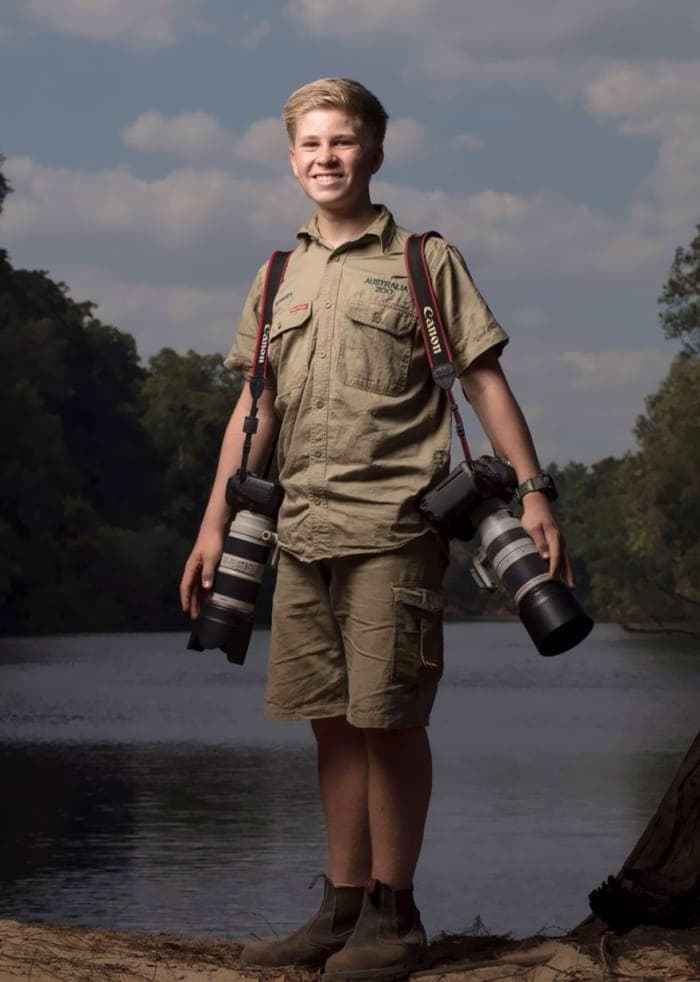
Robert Irwin has spent most of his 22 years with a camera in hand, and lately he's been using his platform to push back on something that worries him: the flood of AI-generated images washing through the photography world. In a recent interview, the conservationist and wildlife photographer laid out a case that's resonated widely — not just that AI cheapens the craft, but that it quietly erodes our ability to be amazed by what's real.
His core argument
Irwin's central point is subtle. It isn't only that AI images are fake; it's that their sheer volume changes how we react to genuine ones.
"With AI, I think not only does it take away from the artistry of photography, but it also dilutes what is impressive," he said. "Because we've seen so many incredible things, we don't realize that what is real — and that's more amazing because it's real."
He reached for a deliberately absurd example: the kind of viral, obviously-synthetic image "of the eagle riding the elephant or whatever ridiculousness it is that people genuinely think is real." When feeds are saturated with impossible spectacle, he argued, an actual, hard-won photograph of nature can register as almost mundane by comparison — even though it's the extraordinary one. He also acknowledged the practical problem underneath it all: it's increasingly hard to tell what's real and what isn't.
Irwin went a step further than most photographers do, tying AI to a cost that often goes unmentioned. "As with any advancement in technology, I think we sometimes forget about the environmental destruction that it can cause," he said — an unusual note from a naturalist whose whole life is about the natural world.
The case for authenticity
For Irwin, the antidote is authenticity, and he frames it almost as a creed. "I'm looking for storytelling that shows nature as it's intended," he said. "You're letting nature take its course, and you're photographing it in its true and raw state." Real images, he argued, carry something synthetic ones can't fake: "When you see a real, true representation of nature, there is a visceral feeling that hits you in the heart; you just can't deny it. I think storytelling and art has to be authentic."
Putting the principle into practice
Irwin isn't just talking. Together with Australia Zoo, he's backing the 10th-anniversary edition of the Crikey! Magazine Photography Competition, a global, conservation-minded contest — and one with a firm rule. "In our competition at least, there is no room for AI, that's for sure," he said. "It ain't happening."
The contest is open to photographers worldwide, from kids picking up a camera for the first time — as Irwin himself did around age 10 — to established professionals, with entries open until August 31, 2026. It's a deliberate counterweight: a space where the value of an image comes precisely from the fact that someone was really there.
The photographer behind the argument
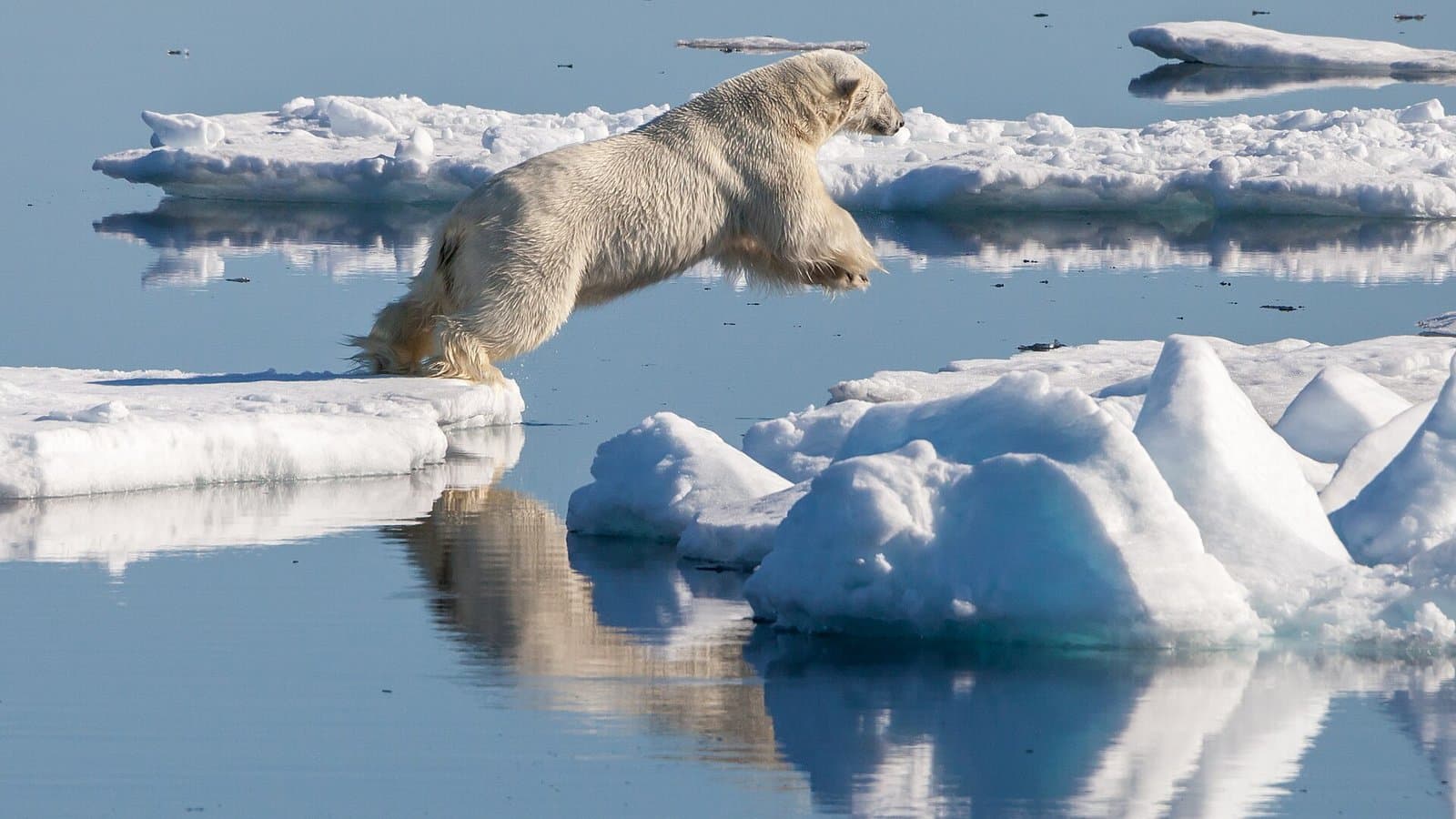
The stance lands harder coming from Irwin because photography isn't a side interest for him. He describes it as "probably the most formative part of my life," the thing that shaped him from about age 10 through his teens and became his own way of spreading a conservation message. And despite how much he's traveled and shot, he insists he's nowhere near done: he rattles off a bucket list any wildlife photographer would recognize — sloths and the Galápagos (he's never been to South America), Komodo dragons, polar bears, and snow leopards, which he calls "the pinnacle."
That's the throughline of his argument. To Irwin, a real photograph isn't just a better image than an AI fake; it's a record of a genuine encounter with a wild, disappearing world — and defending it is, in its own way, part of the conservation work. As synthetic pictures keep getting easier to make and harder to spot, he's betting that the feeling of the real thing is something an algorithm can't counterfeit.