The best fall foliage photos usually come from soft light: overcast days for forests, or golden hour for landscapes. Add a polarizing filter to cut glare from leaves, expose for the bright colors so they don't blow out, and keep editing natural rather than over-saturated.
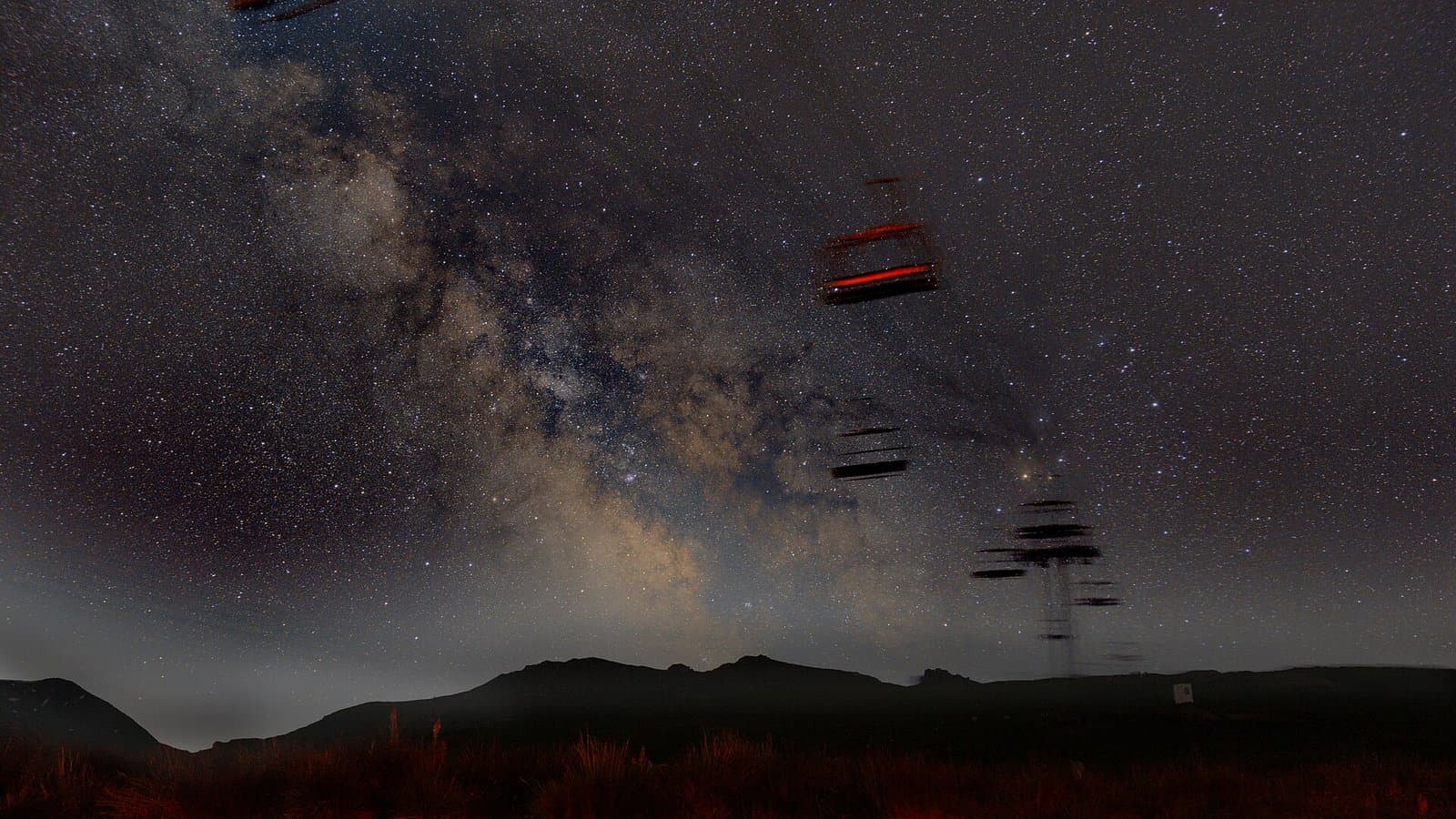
Here are 10 practical tips, with camera and phone settings, for making autumn color look as good in pictures as it does in person. If you're shooting at night this month too, see our guide to the Hunter's Moon.
Quick settings for fall foliage
| Scene | Aperture | ISO | Notes |
|---|---|---|---|
| Wide landscape | f/8–f/11 | 100–400 | Tripod, polarizer |
| Forest interior | f/5.6–f/8 | 400–1600 | Overcast light is ideal |
| Single leaf or branch | f/2.8–f/4 | 100–400 | Blur the background |
| Waterfall with foliage | f/11–f/16 | 100 | 0.5–2 sec for silky water |
1. When should you shoot?
Golden hour makes warm colors glow, and backlit leaves look like stained glass. Overcast skies are perfect inside forests, where bright sun creates blotchy shadows.
2. Use a polarizing filter
A circular polarizer removes reflections from waxy and wet leaves, revealing deeper color. It also darkens blue skies for contrast with orange trees.
3. Expose for the highlights
Bright yellow and red leaves clip easily. Use -1/3 to -1 stop of exposure compensation and check the histogram.
4. Find a subject, not just color
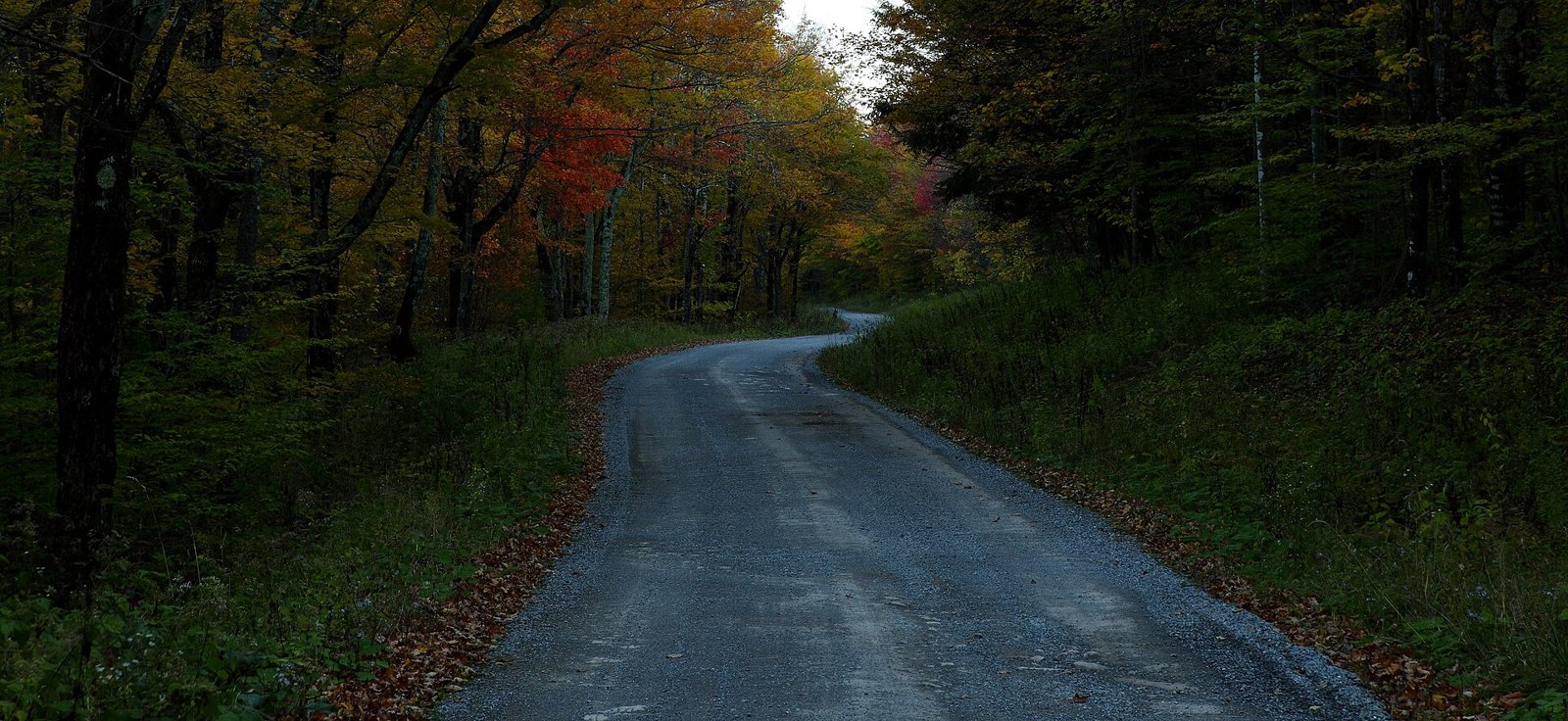
A winding road, a red barn, a canoe or a lone maple gives viewers somewhere to look. Color alone rarely carries a picture.
5. Shoot backlit leaves
Put the sun behind the leaves and shoot toward it, shading the lens with your hand or a hood. Translucent leaves glow.
6. Look for reflections
Still lakes and puddles double the color. Early mornings are often calmest.
7. Go close
Fill the frame with one leaf, frosted edges or patterns on the forest floor. A macro lens or your phone's close-up mode works well.
8. Mind your white balance
Auto white balance sometimes cools down warm scenes. Try Cloudy or Shade presets, or adjust in raw editing.
9. Edit gently
Raise vibrance before saturation, fine-tune oranges and reds with HSL sliders, and avoid heavy filters.
10. How do you do it on a phone?
- Tap to focus, then lower exposure slightly.
- Use HDR for bright sky and shaded trees.
- Use Portrait mode to isolate single leaves.
- Shoot in RAW if your phone supports it.
- Clean the lens. Pocket lint makes foliage look hazy.
When is peak foliage?
Color usually arrives first in the far north and at high elevations in late September, sweeps through much of New England and the Appalachians in mid-October, and reaches southern and lower areas into November. Local foliage reports are the best guide for any particular week.