Kenya has confirmed seven Ebola cases, including three health workers who treated the country's first patient, the Health Ministry said on Saturday. All seven are linked to a Kenyan businessman who caught the virus in Congo and died in Nairobi on October 5, and officials say there is no evidence of community transmission.
Kenya had never recorded an Ebola case before this month.
Who are the seven cases?
| Case | Who | Confirmed |
|---|---|---|
| 1 | 40-year-old businessman who travelled from Congo (died) | Oct. 5–6 |
| 2 | 39-year-old male relative | Oct. 14 |
| 3 | 65-year-old female relative | Oct. 16 |
| 4 | Male relative | Oct. 17 |
| 5 | Health worker, man, 29 | Oct. 17 |
| 6 | Health worker, man, 35 | Oct. 17 |
| 7 | Health worker, woman, 32 | Oct. 17 |
The four newest patients developed fever, were isolated and then tested positive, AFP reported, citing the ministry.
How did Ebola get to Kenya?
The first patient had lived in Congo for years. He fell ill about a month before returning, was treated at health facilities there, then travelled overland to Kampala, Uganda, and flew to Nairobi on October 3. He tested positive and died on October 5, according to the AP and AFP.
Officials traced 23 passengers and four crew from his flight, along with family and hospital staff.
Is the outbreak under control?
The ministry says the risk to the general public "remains low." Of 130 contacts, 128 have been traced and are in quarantine. Contacts are isolated for 21 days, Ebola's maximum incubation period.
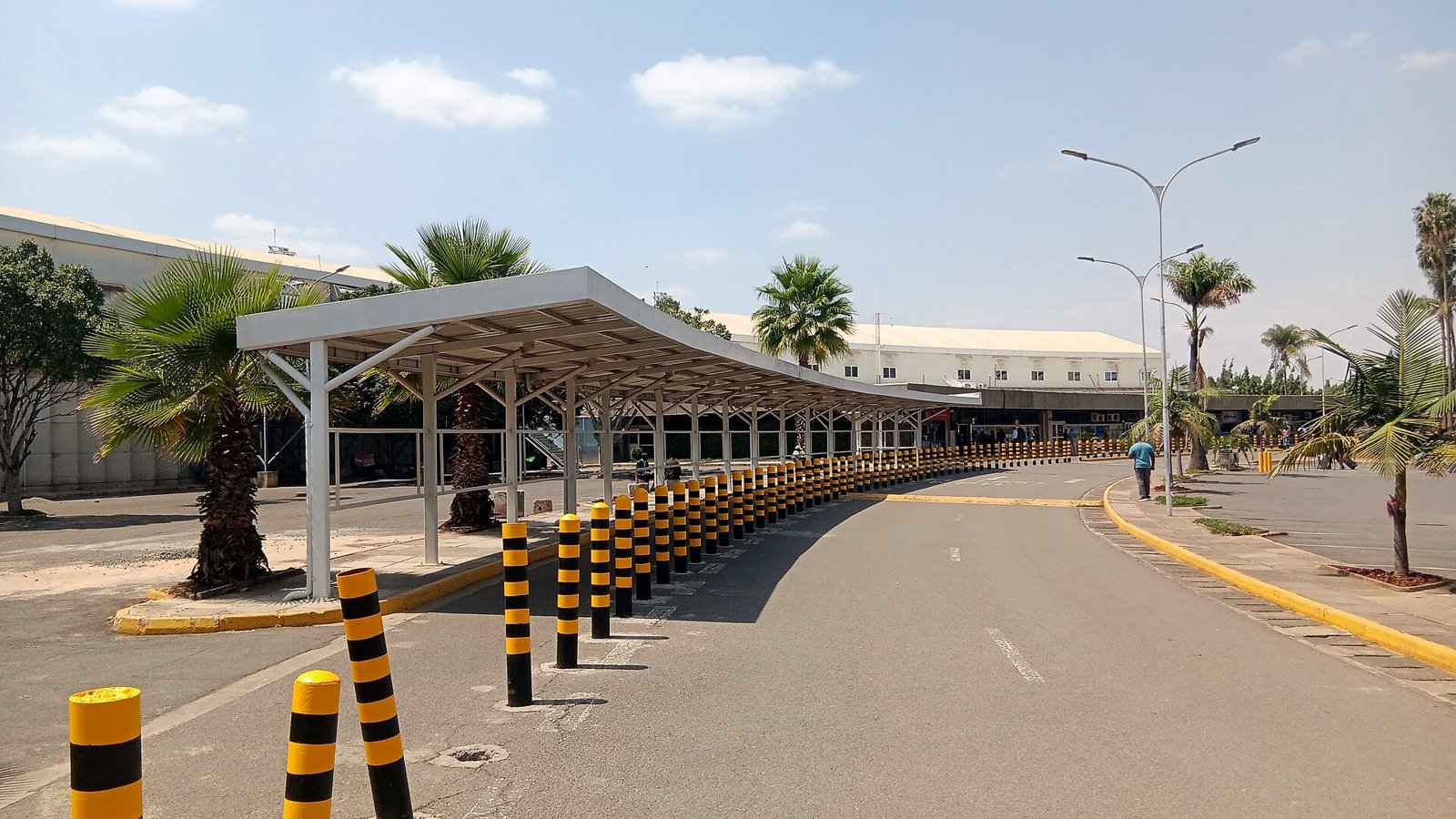
Kenya has tightened screening at airports and border crossings and set up an emergency hotline. The WHO has delivered about 1,000 Ebola tests and 1,000 protective kits to high-risk counties.
Why are health workers at risk?
Ebola spreads through direct contact with the blood and body fluids of sick people, so staff caring for patients before a diagnosis are especially exposed.
After the first case, Kenya's doctors' union warned that "our health workers must not be the weakest link in our response" and demanded monitoring, protective equipment and psychological support, Africanews reported.
Why is this strain so worrying?
The outbreak is caused by the Bundibugyo virus. Unlike the more common Zaire strain, it has no approved vaccine or specific treatment.
In Congo, where the outbreak began in May, authorities have recorded more than 9,400 cases and 4,500 deaths, making it the deadliest outbreak in the country's history. Read more about Congo's outbreak.
What to watch
The next 21 days. If no new cases appear outside the known contacts, Kenya's cluster can be contained.
Health worker safety. Infections among staff are a warning sign in any Ebola response.
Regional spread. Kenya is the fourth country to record a case in this outbreak, after Congo, Uganda and France.