To get your car ready for winter, check tire pressure and tread depth, have the battery and charging system tested, pack an emergency kit, and consider winter tires if you drive in snow or ice. EV owners should keep the battery charged and plug in overnight, because cold weather cuts range.
Here's a checklist based on National Highway Traffic Safety Administration guidance and tire advice from Tire Rack.
Winter car checklist
| Item | What to do |
|---|---|
| Tire pressure | Set to the door-jamb label, not the tire sidewall; check monthly |
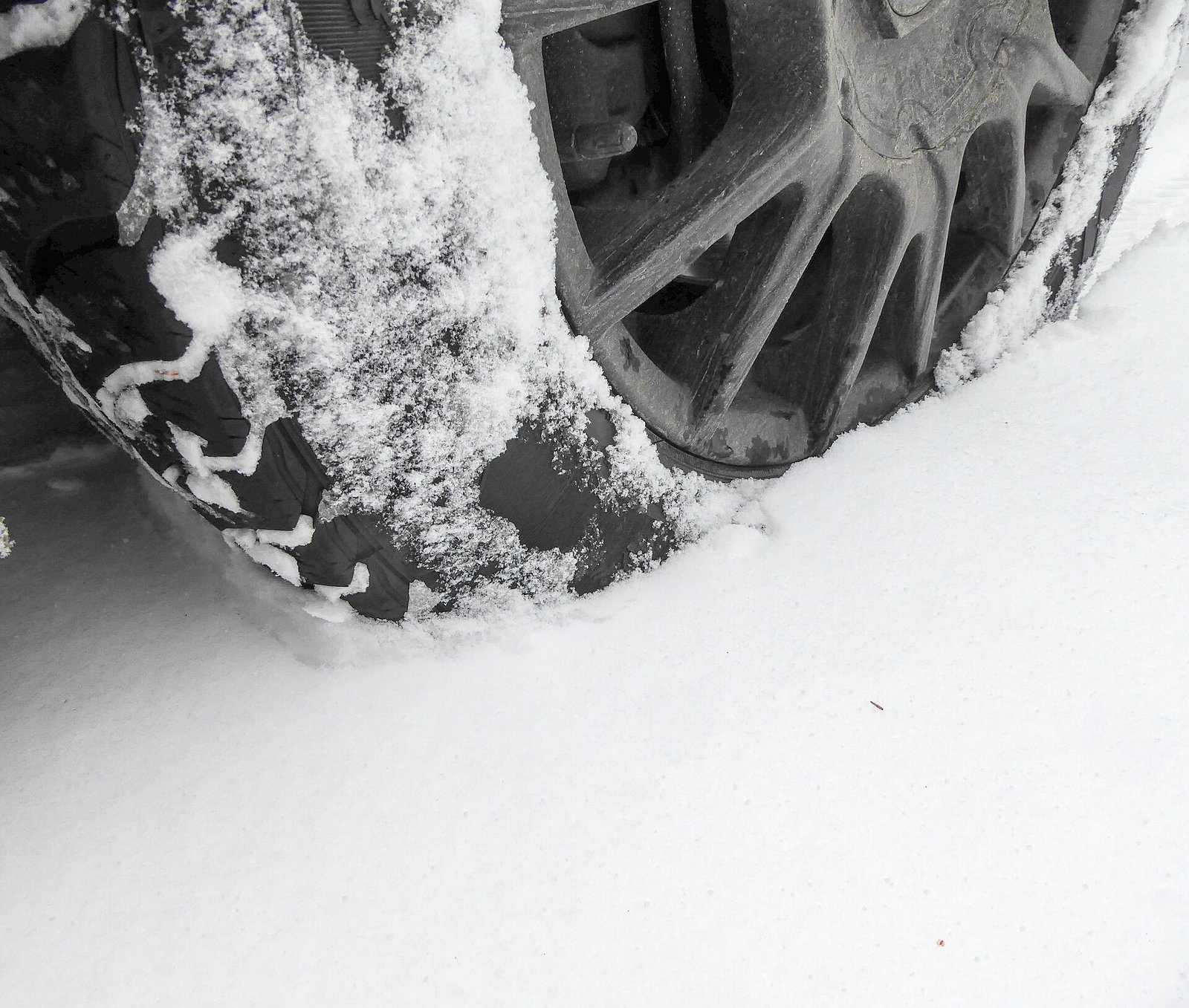
| Tread depth | At least 2/32" (legal minimum); ~5/32" or more for snow |
| Tire condition | Look for cuts, bulges, cracks, punctures; check the spare |
| Winter tires | Consider them for regular snow or ice; fit all four |
| Battery | Have a mechanic test it, along with the charging system and belts |
| EVs | Keep charged, plug in overnight, keep warm when possible |
| Fuel | Keep the tank close to full |
| Recalls | Check your VIN and book any open repairs |
| Emergency kit | Pack before the first storm (list below) |
Why does tire pressure drop in winter?
Cold weather lowers tire pressure. NHTSA says to inflate tires to the vehicle maker's recommended pressure, found in the owner's manual and on the label on the driver's door frame. "Do not inflate your tires to the pressure listed on the tire itself," NHTSA warns. That number is the maximum, not the target.
Check pressure monthly and before long trips, ideally when the tires are cold.
How much tread do I need for snow?
| Tread depth | What it means |
|---|---|
| 2/32" | Minimum, according to NHTSA |
| ~5/32" | Tire Rack's suggested replacement point for snow-covered roads |
| ~6/32" | Where some winter tires have wear bars marking reduced snow grip |
A quick check: insert a penny into the tread with Lincoln's head upside down. If you can see the top of his head, you're at or below 2/32".
Do I need winter tires?
Tire Rack's advice is to pick tires for the worst conditions you expect, not your everyday drive.
- Winter tires start with deeper tread than all-season or summer tires and are designed for snow and ice.
- If you face snow regularly, two sets make sense. Each lasts longer because only one is in use at a time.
- Fit all four. Tire Rack says tires "should be as identical as possible or handling problems may arise."
NHTSA also notes that some manufacturers recommend replacing tires every six years regardless of wear.
How does cold weather affect EVs?
NHTSA says cold temperatures reduce driving range. To limit the hit:
- Keep the battery charged and minimize unnecessary drain.
- Keep the car as warm as possible, in a garage if you have one.
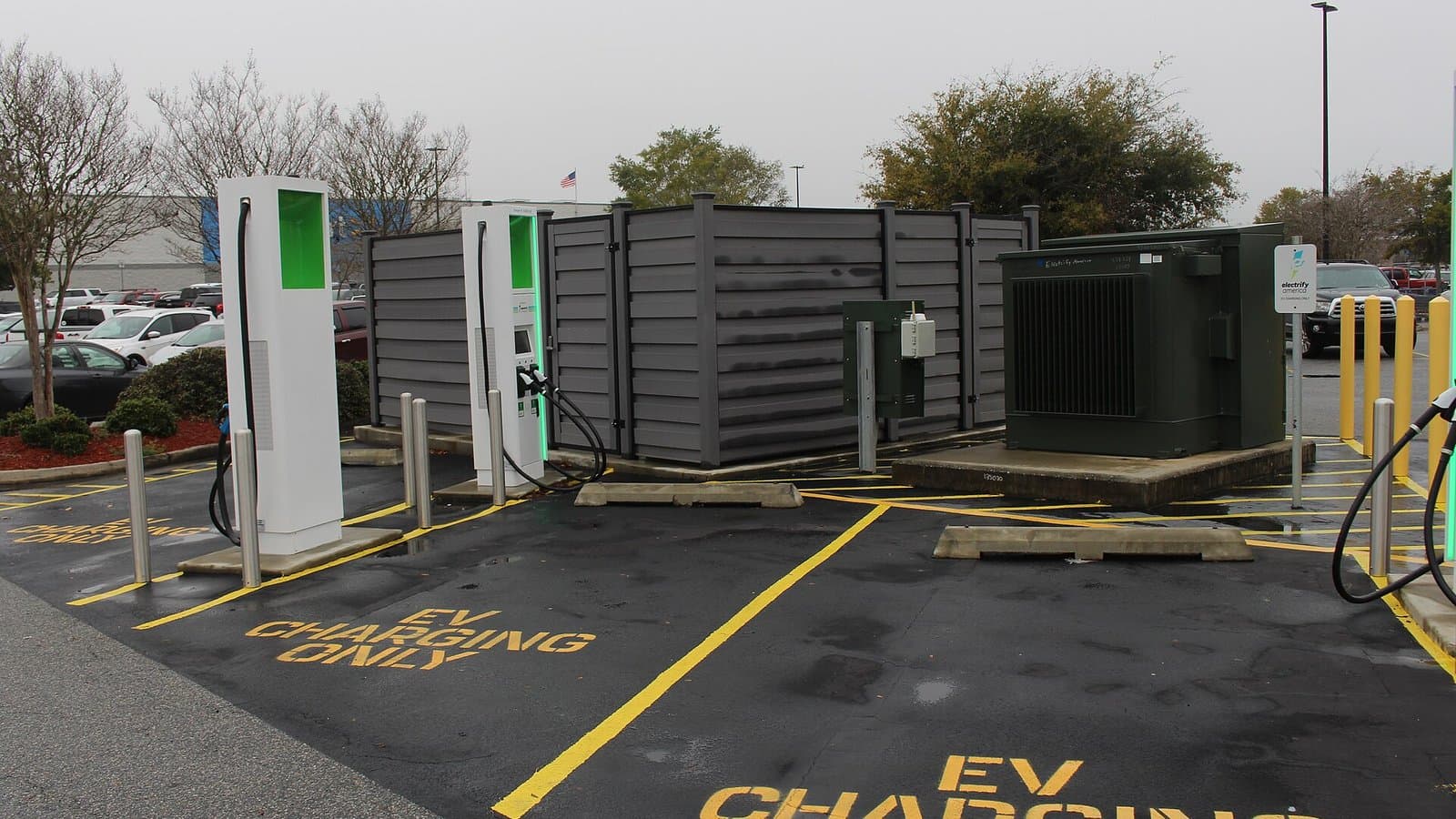
- Plug in overnight so the battery stays in its best temperature range.
- Precondition the cabin while still plugged in, if your car supports it.
Some EV owners are dealing with a different charging limit this season: Volkswagen told owners of recalled ID.4s to charge only to 80% until a battery fix is ready.
What goes in a winter emergency kit?
NHTSA's recommended kit:
- Snow shovel, broom and ice scraper
- Sand or cat litter for traction
- Jumper cables
- Flashlight and flares or other warning devices
- First aid kit, including a tourniquet
- Blankets
- Phone and charger
- Water, food and any needed medicine
Anything else to check?
Winter is a good time to run a free recall check on your VIN. Dealers can usually do recall repairs during a routine winter service visit.