Yemen's Iran-aligned Houthis said Wednesday that they had attacked two Saudi oil tankers in the Red Sea, moving to enforce a naval blockade of Saudi Arabia they declared earlier in the week and opening a volatile new front in a Middle East conflict already disrupting the world's most important energy routes.
What the Houthis claimed — and what's confirmed
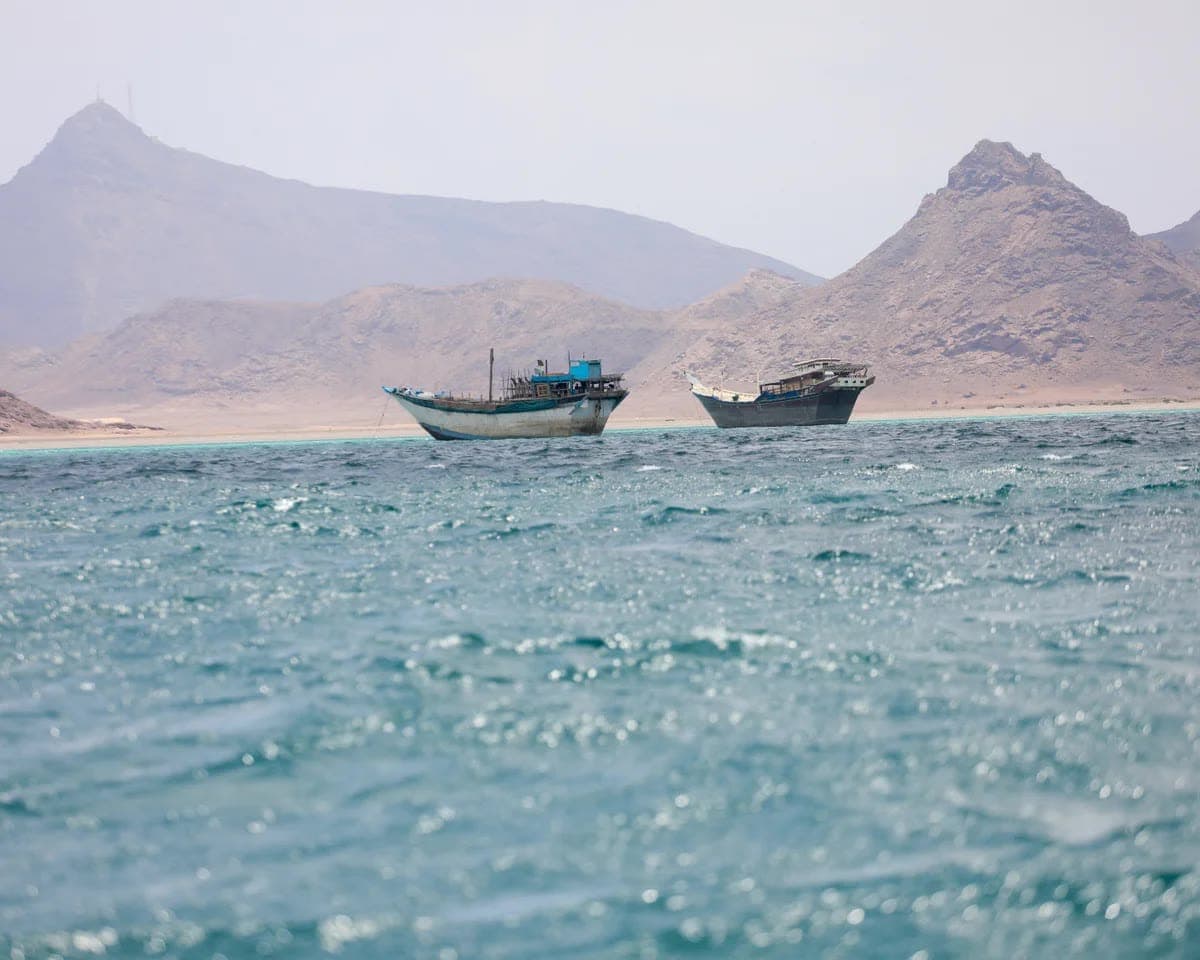
Houthi military spokesperson Yahya Saree said the group targeted two Saudi oil tankers, which he named as the Encelia and the Layla, "for their violation of the blockade decision issued by the armed forces." The attacks, he said, used "a number of ballistic and cruise missiles, as well as drones" and set fires on the ships. Saree added that the Houthis had also forced "nearly ten ships" to abandon their routes and turn back.
Saudi Arabia has not commented on the claims, and the full extent of any damage could not be independently verified. But the account was partly corroborated by the UK Maritime Trade Operations center, an official body that monitors shipping in the region, which said it had received a report of a tanker being struck. "The master of a tanker reports being struck by an unknown projectile which has caused a fire onboard that the crew are currently fighting," it said.
How the blockade started
The Houthis, who control northern and western Yemen — including the coastline at the mouth of the Red Sea — imposed a maritime blockade on Saudi Arabia on July 20. The declaration followed some of the worst violence Yemen has seen in four years, after the internationally recognized Yemeni government bombed the Houthi-controlled airport in Sanaa to stop an Iranian plane from landing.
The Houthis framed the embargo as retaliation, invoking an "eye for an eye" and asserting "the right of our great people to respond to the blockade with a blockade." They accuse Saudi leaders of imposing an "unjust and oppressive siege" for nearly 12 years and blockading Houthi-held ports and airports by land, sea and air. Riyadh rejects the characterization that it is besieging the Yemeni people, and critics of the group note that the Houthis recently turned down a proposal from Jordan to resume flights between Amman and Sanaa. Analysts describe the naval blockade's ultimate aim as pressuring Riyadh to lift restrictions on the ports and airports the Houthis control.
Why two tankers can move the whole oil market
The strikes matter far beyond the two vessels because of where they happened. The Bab al-Mandeb strait, which links the Red Sea to the Gulf of Aden, is just 18 miles wide at its narrowest point and is one of the planet's critical oil chokepoints — in 2024, roughly 4.1 billion barrels of crude and refined products, about 5% of the global total, passed through it.
That route has taken on outsized importance because the other major artery is already compromised. With the Strait of Hormuz effectively closed since the U.S.-Israel war on Iran began in late February, Saudi Arabia has been trying to move oil out through the Red Sea and Bab al-Mandeb instead. The Houthi blockade now threatens that alternative. By choking off Saudi crude exports to Asia, the blockade could remove an estimated 7% of global oil supply, and analysts warn that shutting Bab al-Mandeb entirely — on top of Hormuz — could put as much as a quarter of the world's oil and gas flows at risk. The pressure is already visible: two tankers carrying Saudi crude to Asia reversed course in the Red Sea on Tuesday after the Houthi threats.
A group that has done this before
The Houthis have demonstrated the capacity to disrupt global shipping before. Beginning in late 2023, after the war in Gaza broke out, the group launched a sustained campaign of attacks on vessels around Bab al-Mandeb, snarling international trade until the fighting in Gaza wound down with a ceasefire in October 2025. That history is why the current threat is being taken seriously by shippers and governments alike, even as the details of individual strikes remain contested.
What to watch
For now, the situation is fluid and unverified in key respects: Saudi Arabia has stayed silent, damage assessments are incomplete, and the Houthis' claims of ships turned back can't be independently confirmed. The variables to watch are whether Riyadh responds militarily, whether commercial shippers begin avoiding the Red Sea en masse as they did in the last Houthi campaign, and how oil markets price the combined loss of both the Hormuz and Bab al-Mandeb routes. What is clear is that a conflict centered on Iran has now pulled in Yemen's coastline — and with it, a passage that a meaningful share of the world's energy depends on.