France recorded at least 5,700 more deaths than usual during the historic heat wave that gripped the country last month, its public health agency said Wednesday, sharply raising its earlier estimate of the toll from record-shattering temperatures. It is the deadliest heat wave France has seen since 2003.
The figure is a measure not of one dramatic event but of a slow, widespread harm — the kind of toll that only becomes visible once the statisticians catch up to the thermometers.
How the toll was counted
The number comes from comparing what happened to what normally would have. Between June 17 and July 2, the regions hit by the heat recorded 21,674 deaths from all causes. Based on statistical modeling built from previous years, those same regions would have been expected to see about 15,910 deaths over that stretch. The gap between the two — 5,764 deaths — is what the agency classifies as "excess" mortality attributable to the heat.
That represents 36% more deaths than would normally be expected, the highest excess mortality from any heat wave since 2003, when a catastrophic European heat wave killed an estimated 15,000 people in France. Officials cautioned that the estimate is provisional and will be revised as more complete data arrives — and that the true toll is almost certainly undercounted, because many heat-related deaths are never formally recorded as such. A heart attack triggered by extreme heat, for instance, is typically logged simply as a heart attack.
Who died, and where
The burden fell heaviest on the old. Adults aged 75 and older accounted for roughly two-thirds of the provisional toll — at least 3,719 of the excess deaths. Geographically, the Paris region was hit hardest, with 1,999 excess deaths, around 80% more than would have been expected without the heat.
Of the more than 21,600 people who died across the affected regions, nearly half died in hospitals, which strained under surges of patients suffering heat-related illness. About a third died at home, and most of the rest in care homes for older people. In Paris, the strain reached the mortuaries themselves: funeral directors reported struggling to store bodies before burial or cremation, with some facilities full and turning the deceased away.
The heat that caused it
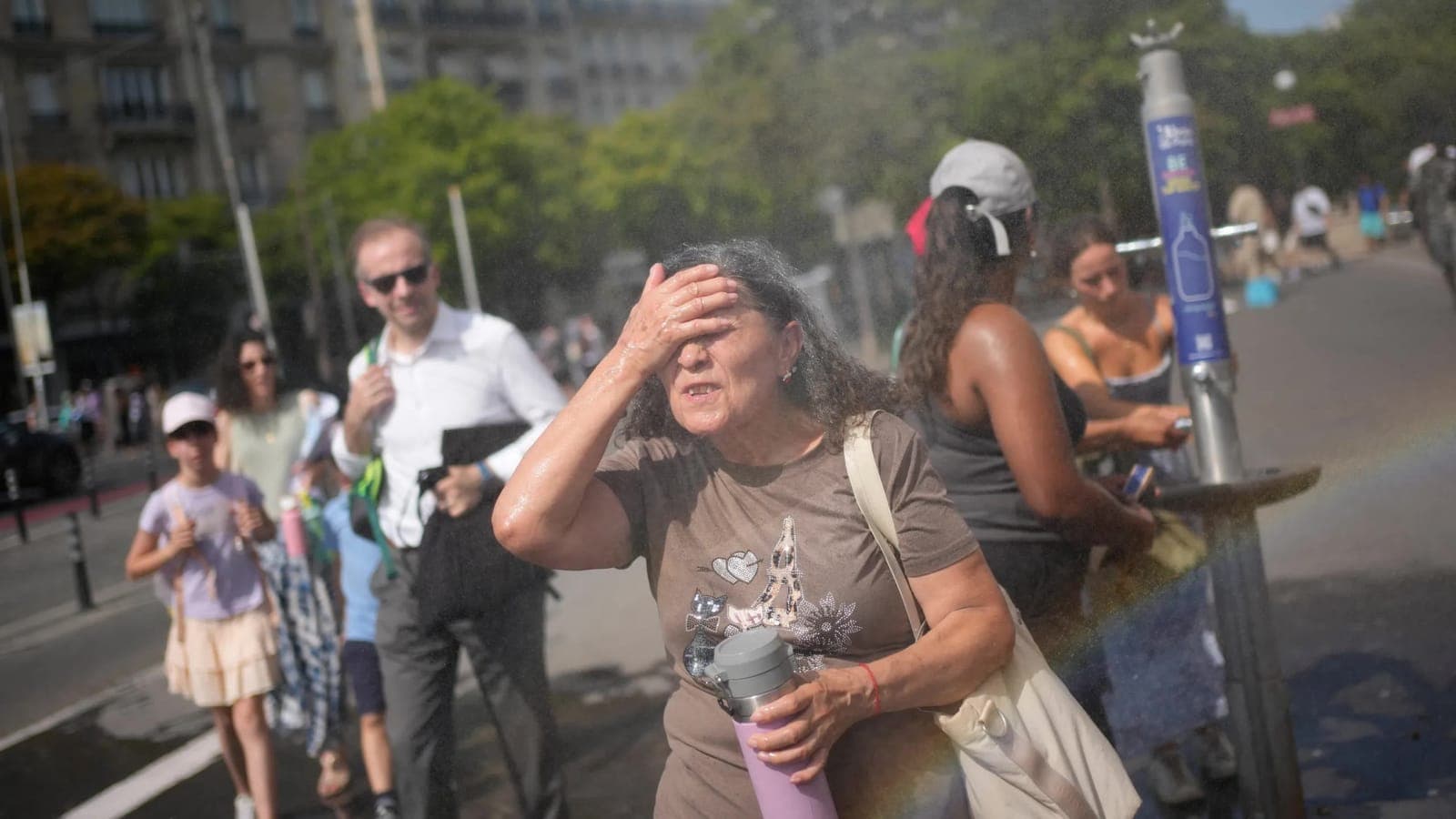
France registered its hottest days on record on June 24 and 25, with a national average temperature of 30°C (86°F), record warmth overnight, and peaks that climbed well above 40°C (104°F) in many places. Just over half of the excess deaths occurred during and in the immediate aftermath of that most intense stretch, from June 25 to June 27.
Part of what made the episode so lethal, the agency said, was its timing. "This unprecedented episode, characterized by its early onset, intensity, and duration, exposed nearly the entire population to extreme heat during a period when school and work activities were still in full swing" — before the summer slowdown that would normally keep people out of the worst of it.
A continent-wide toll
France's numbers are the most detailed so far, but they are part of a larger and still-emerging picture. Across Europe, the early and unusually intense heat is estimated to have caused well over 10,000 more deaths than normal at the height of the wave, with figures still being tallied country by country. The same heat has since fed the wildfires now burning across Spain, France and Greece.
The 2003 comparison is the one that hangs over these figures. That disaster reshaped how France prepares for extreme heat, prompting early-warning systems, check-ins on vulnerable residents, and public cooling plans. This June's toll — the worst since — is a stark measure of how much those defenses are being tested as severe heat arrives earlier and more often on a warming continent. Experts note it will take months for the full accounting to settle, and that when it does, the number is far more likely to rise than to fall.