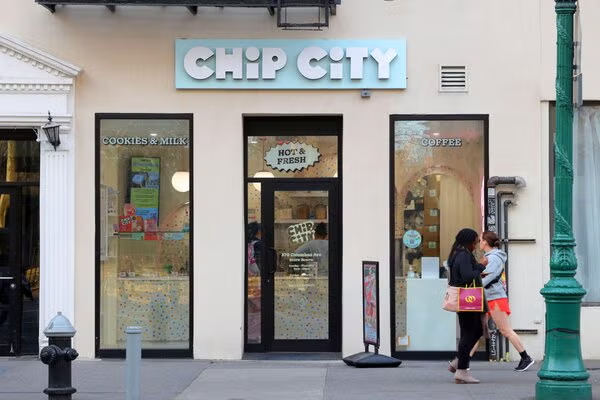
On Thursday, October 1, Chip City's social media accounts were promoting a new seasonal cookie, the Crisp Apple Fritter.
At the end of that day, every remaining store closed: roughly two dozen in New York, New Jersey and Texas. Staff were told not to come in Friday. According to QNS, they were told the company "no longer had the funding required to operate this business."
Four days earlier, the chain's co-founder had sued it.
Nine years, from a 250-square-foot shop
Chip City began in 2017 as a baking challenge between childhood friends Peter Phillips and Teddy Gailas. Their first shop, in Astoria, Queens, was 250 square feet.
It sold thick, gooey cookies in a rotating lineup of more than 180 flavors, and it grew fast. In 2022, Danny Meyer's Enlightened Hospitality Investments put in $10 million. Chip City had 14 stores. In 2024 the fund added $7.5 million more.
About a year ago the chain had 45 locations in nine states. In March, after a restructuring left the fund as controlling investor, it was still talking about its "next phase of growth" across 39. Then the Connecticut stores closed, then Virginia, and then everything.
The lawsuit
On September 28, Phillips, who stepped down as CEO in March, sued Chip City, Enlightened Hospitality, president Nicolas Baizan and Fred LeFranc in New York Supreme Court.
According to the New York Post's account of the filing, he says the company promised him $157,500 in salary and family health benefits through December, then froze his pay and moved to cut off his health insurance.
He also says he was pressed to hand over the company's web domains and to sign paperwork tied to more than $640,000 in Small Business Administration loans that he had personally guaranteed.
That last detail matters more than the timing. A personal guarantee means that if the business cannot repay, the lender can come after the guarantor. In a sudden shutdown, the founder who signed for the loans may be the one left holding them.
His claims include breach of contract, unlawful wage withholding and retaliation. None of it has been tested in court, and the defendants had not responded at last report. A representative for his law firm said Phillips was "shocked by what happened to Chip City."
There is no evidence the lawsuit caused the closure. The chain had been shrinking for months. But four days is a short gap, and nobody involved has explained it.
The company's explanation
Chip City's statement on Friday: "Despite extensive efforts to stabilize our business in the face of significant macro-economic headwinds, we have made the very difficult decision to close all of our Chip City locations."
It thanked "our dedicated employees and loyal customers who have supported us for the past 10 years." Representatives did not respond to requests for comment from Fox Business.
It is not only Chip City
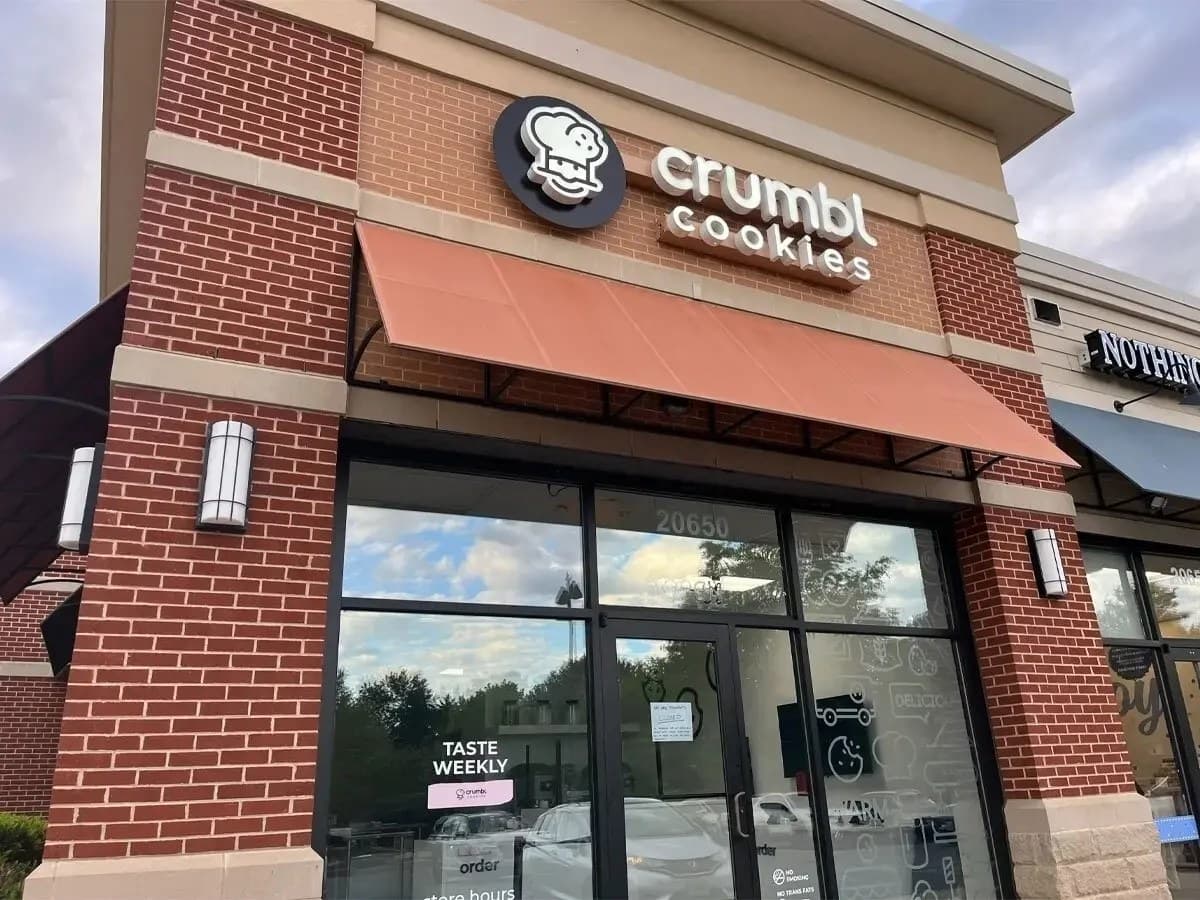
The whole category is in trouble. Crumbl has closed at least 57 stores this year, and a franchise now costs far more to open while earning less. Dirty Dough has dropped from 58 stores to fewer than 40. Cookie Plug's website lists 13 locations, down from 34 in early 2025. Specialty cookie and baked goods sales stalled at about $11.85 billion in the year to July, according to data cited by TheStreet.
"Sweet treats are not something people tend to have all the time," Maeve Webster of the consultancy Menu Matters told Franchise Times.
What to watch
The workers. Staff were told they would be paid through October 18. The company has not said whether they got the advance notice New York's WARN Act generally requires for mass layoffs at larger employers.
The lawsuit, and what happens to the SBA loans Phillips guaranteed.
Whether the brand is sold. A recognisable name and recipes have value even when the stores do not.
Published Saturday, October 17, 2026. Store counts vary between about 20 and 24 for the final closures because the chain had been shrinking for months. Details of the lawsuit come from the filing as reported by the New York Post, via Hoodline and Fox Business; the allegations have not been proven.