Two passenger jets carrying a combined 318 people came within 670 feet of each other at Boston's Logan International Airport last month, after a chain of small failures aligned into a near-collision, according to a preliminary report from the National Transportation Safety Board. No one was hurt, and both aircraft landed safely — but the sequence the report describes shows how quickly routine operations can unravel.
The June 20 incident involved two intersecting runways. Delta Air Lines Flight 2351, a Boeing 737, was cleared to land on runway 33L, following a small plane. A little more than a minute later — and before the Delta jet touched down — American Airlines Flight 3161, an Airbus A319, was cleared to take off on the intersecting runway 27. The stage was set for the two flight paths to cross.
How the timing went wrong
The near-miss hinged on a delay that no one planned. The American A319 began its takeoff roll but stopped after just eight seconds when the pilots received an error message in the cockpit. They checked their systems, concluded it was a false alarm, and 23 seconds later began accelerating again — this time toward the runway intersection where the two paths met. That pause, followed by the restart, put the American jet back in motion at the worst possible moment.
The Delta pilots saw the developing conflict and aborted their landing, climbing away and circling the airport before touching down safely on a later approach. The American pilots, in turn, saw the Delta jet maneuvering out of their way and continued their takeoff. At their closest, the two jets were 670 feet apart. Notably, the report says neither cockpit received an automated collision warning during the encounter.
A controller who "felt confused"
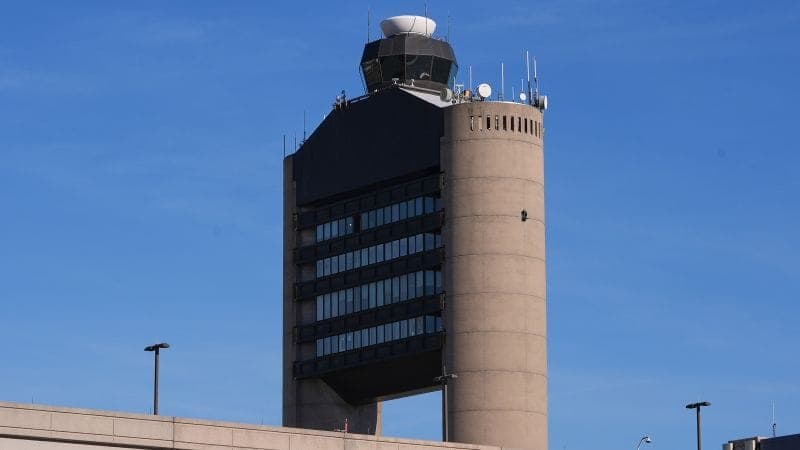
The report also details how the situation looked from the tower. The controller told investigators he had watched the American flight begin its roll, then shifted his attention to the small plane, making sure it cleared the runway ahead of the arriving Delta jet. When an anti-collision alarm sounded in the tower, the Delta pilots had already taken evasive action — and the controller "recalled feeling confused," because the small plane he was focused on was doing exactly what he wanted.
A small procedural detail may have contributed. The controller said he normally slanted the paper flight strips used to track each aircraft when he cleared it for takeoff, but American's strip was not tilted. The confusion is captured in the air traffic control audio, in which the controller asks, "American 3161 where are you going?" — to which the pilot replies, "You cleared us to take off." Compounding the problem, the report says the runway status stoplights that could have warned the American crew of the conflict had switched off after the small plane landed and did not light up again until the Delta jet was already on final approach.
What investigators still don't have
One piece of evidence is gone for good. The cockpit voice recorders on the jets retain only the most recent two hours of audio, and by the time the NTSB requested the black boxes, the recording of the close call had already been overwritten — a recurring frustration in near-miss investigations. The flight data recorders, which capture a longer span of information from the aircraft's systems, did preserve data from the incident and are now being analyzed.
As with all preliminary reports, this one lays out the facts gathered so far without assigning blame. The NTSB will determine the probable cause at the end of its investigation, a process that typically takes one to two years. For now, the Logan near-miss adds to a run of high-profile close calls that have kept scrutiny on the strain in the U.S. air traffic system.