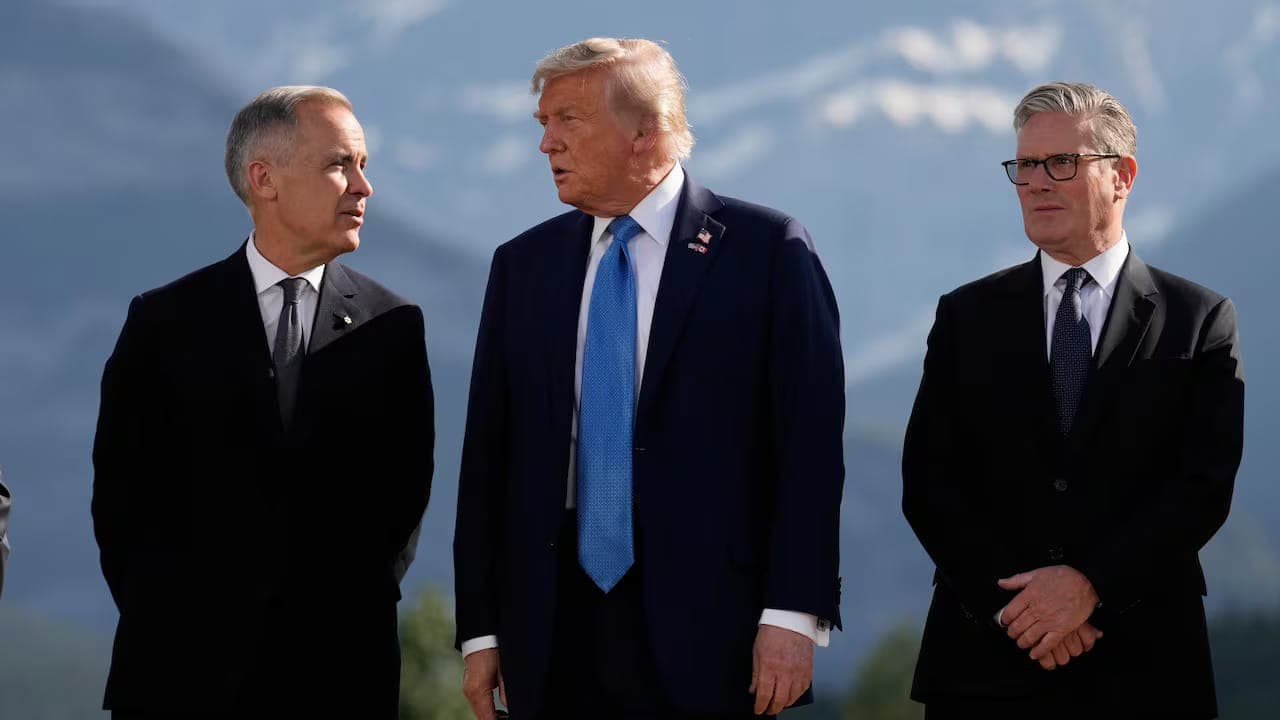
President Trump is imposing 50% tariffs on a broad range of Canadian goods, sharply escalating a trade fight between the two neighbors that has simmered since early in his second term. The duties, laid out in a series of proclamations signed Monday, July 20, take effect August 19 — leaving a roughly 30-day window the two governments could use to negotiate before the levies bite.
What's being taxed
The tariffs hit an unusually wide spread of products: automobiles, alcoholic beverages, dairy, hockey equipment, honey, plywood, jewelry and more. The White House justified the move by accusing Canada of "unreasonable, unequal, and discriminatory actions," pointing to Canadian tariffs and import restrictions on American goods — some of which were themselves a response to Trump's earlier round of tariffs.
One detail carries outsized weight: goods that normally cross the border duty-free under the U.S.-Mexico-Canada Agreement will not be spared. By declining to exempt USMCA-covered trade, the administration is reaching past the very deal that was supposed to govern commerce among the three countries.
Why the stakes are so large
Canada is the United States' second-largest trading partner after Mexico, and the volume is staggering — more than $300 billion in goods crossed the border in just the first five months of this year. A 50% duty on categories as central as vehicles and dairy doesn't stay contained; it ripples through supply chains on both sides, raising costs for manufacturers and consumers and inviting tit-for-tat retaliation.
An untested legal weapon
The most consequential part of the announcement may be the fine print. The administration invoked Section 338 of the Tariff Act of 1930, a nearly century-old provision that lets the president impose duties of up to 50% on countries deemed to "discriminate" against U.S. commerce. Officials conceded the statute has never been used this way before, but said they're confident it will hold up in court.
That confidence matters, because the legal ground under Trump's tariff powers has already shifted once this year: the Supreme Court earlier limited his ability to impose tariffs under a separate emergency-powers law. Reaching for an obscure 1930s statute is, in part, an attempt to build a sturdier legal footing — and it sets up a fight almost certain to be tested in the courts.
Canada pushes back
Canadian Prime Minister Mark Carney rejected the premise. He argued that Canada's earlier measures, including auto tariffs, "merely matched" U.S. actions that he said themselves violated the USMCA. Carney contended the dispute has already driven up costs for families "particularly in the U.S.," and said Canada stands ready to negotiate and to modernize the trade agreement rather than blow it up.
Industry braces, and a door stays open
Business groups on both sides sounded the alarm. The Distilled Spirits Council of the United States said the 50% tariff "deepens trade tensions and raises the risk of further retaliation." The Canadian Chamber of Commerce called it a "regrettable escalation," while urging both governments to use the 30-day runway before implementation to get to the negotiating table.
That runway is the key variable. The tariffs are signed, but not yet in force, and the administration signaled the door isn't fully shut — an official said Washington remains open to a deal. Whether the next month produces one, or simply counts down to the most aggressive U.S. tariffs yet on its closest ally, is the question now hanging over a $300 billion relationship.