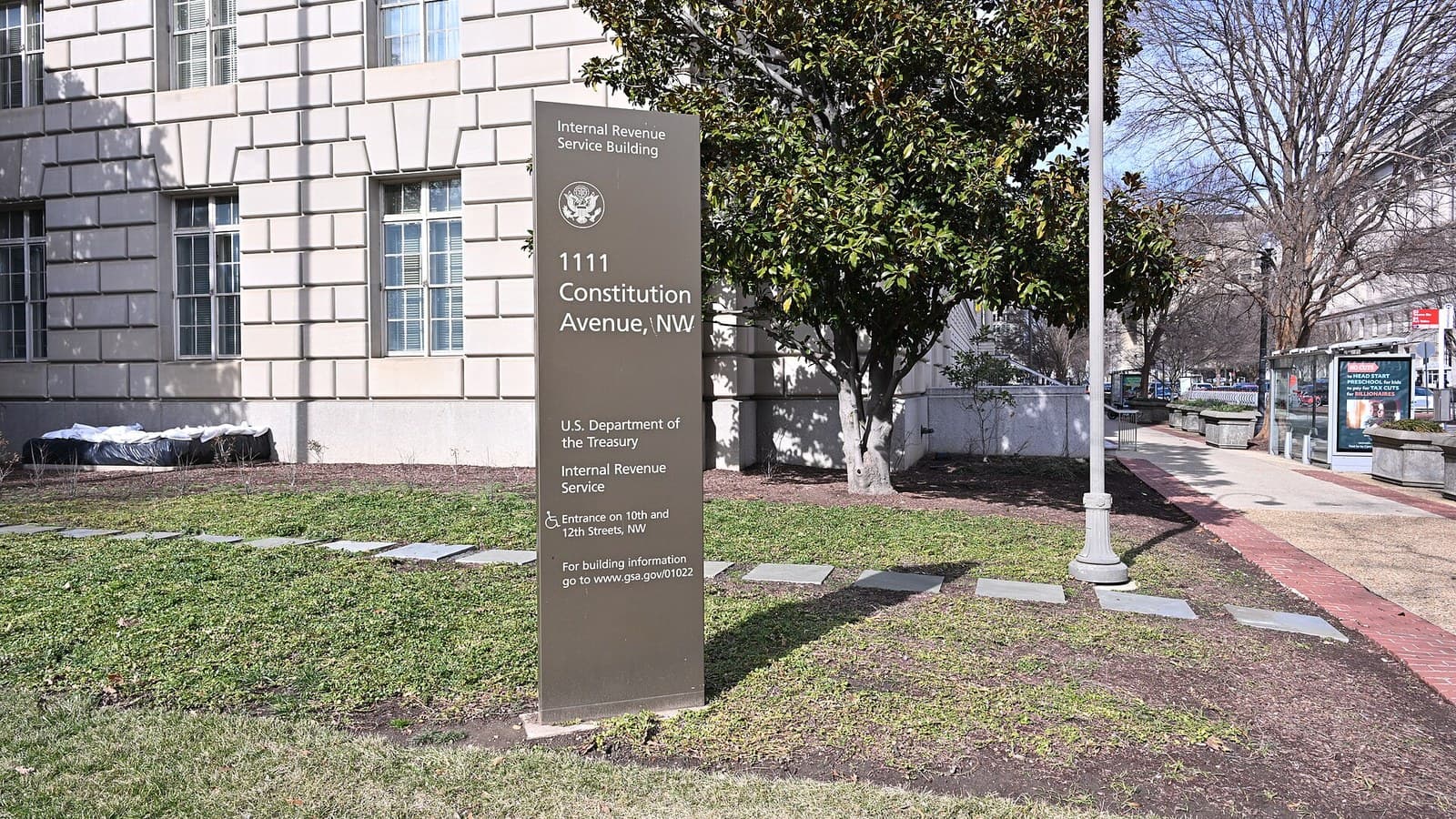
The 10-year Treasury yield is around 5.1%, near its highest level since 2007. It climbed above 5% in mid-September for the first time since October 2023, driven by rising inflation, the Federal Reserve's return to rate hikes, high oil prices and heavy government borrowing.
That number matters to almost everyone: it sets the tone for mortgage rates, influences stock prices, and determines how much the government pays on its debt.
Treasury yields in 2026: key levels
| Date | 10-year yield | What happened |
|---|---|---|
| Mon., Sept. 14 | 5.01% intraday | First time above 5% since Oct. 2023 |
| Around Sept. 24 | ~5.2% | Highest since 2007; 30-year near 5.5%, highest since 2004 |
| Wed., Oct. 14 | Rose | 2-year yield jumps ~13.5 basis points after hot CPI |
| Thu., Oct. 15 | 5.10% | Fell ~10 basis points as investors bought bonds |
| Fri., Oct. 16 | ~5.1% | Little changed |
From reports by Roic, Semafor and CNBC (via Digg), investingLive, Yahoo Finance, Tapeboard and The Mortgage Reports.
Why are Treasury yields so high?
1. Inflation is back. Consumer prices rose 3.7% in the year to September. Investors want a higher yield to make up for rising prices.
2. The Fed is hiking. The Fed raised rates to 3.75%–4% in September and may again by December. Our Fed meeting guide has the odds.
3. Oil is expensive. Higher energy prices linked to the Iran war feed inflation expectations. U.S. crude ended last week near $101 a barrel.
4. A flood of borrowing. The Treasury is selling large amounts of debt to fund deficits, and companies are borrowing heavily to build AI infrastructure, adding supply to the bond market.
5. A higher term premium. "The market is demanding a higher term premium," one fixed-income strategist said, as reported by Roic. Investors want extra pay for the risk of holding long-term debt.
Cleveland Fed President Beth Hammack linked higher long-term yields to a stronger growth outlook, government-debt concerns and expectations of more Fed hikes, Bloomberg reported.
What do high yields mean for you?
| If you... | What 5% yields mean |
|---|---|
| Want a mortgage | Rates near 7.40%, the highest since late 2023. See today's mortgage rates |
| Have savings | Treasury bills, CDs and high-yield savings pay more |
| Own stocks | Valuations, especially for tech, come under pressure |
| Own bonds | Prices of existing bonds fall as yields rise |
| Pay taxes | Federal interest costs rise, adding to deficits |
Are rising yields hurting stocks?
They have added to the pressure. The S&P 500 fell 1.09% and the Nasdaq 2.14% on Friday, October 16, led by technology, according to The Mortgage Reports' market roundup. Chip stocks had already fallen eight days in a row.
Higher yields make safe bonds more attractive compared with stocks and raise companies' borrowing costs.
Will Treasury yields come down?
That depends mostly on inflation and the Fed. If gas prices keep easing and inflation cools, yields could ease. If inflation keeps surprising on the upside and the Fed hikes more, they could rise further.
Big swings can happen fast. On October 15 the 10-year fell nearly 10 basis points in a day as investors fled to safety during a tech sell-off.
Published Monday, October 19, 2026. Yields change throughout the trading day. This article is for information only and is not investment advice.