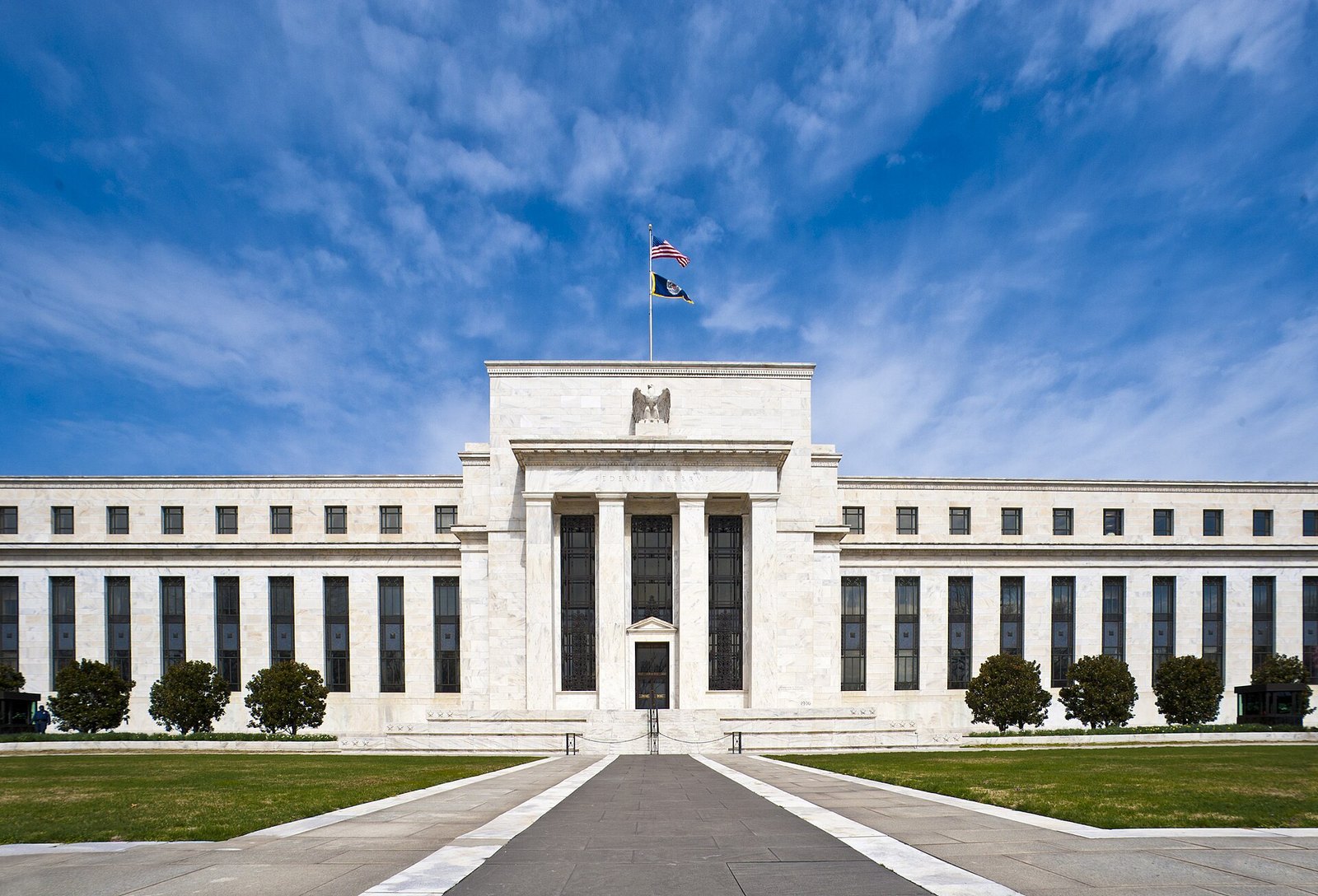
The Federal Reserve decides on Wednesday, October 28, 2026, whether to raise interest rates for a second time this fall. Markets currently think it will hold: CME FedWatch put the odds of an October hike at about 28% on October 15, according to Axios. Most forecasters expect the next increase in December.
The odds have swung hard. They jumped from 22% to about 50% after a hotter-than-expected 3.7% inflation report on October 14, then fell back within a day.
When is the Fed meeting?
| Meeting | Tuesday–Wednesday, October 27–28, 2026 |
| Decision | Wednesday, October 28, afternoon (Eastern Time) |
| Press conference | Chair Kevin Warsh, after the statement |
| Current rate | 3.75%–4% (raised Sept. 16) |
| Next meeting | December 8–9, 2026 |
Will the Fed raise rates in October?
Probably not, judging by markets and by what officials have said. But a hike isn't ruled out.
The case for waiting:
- John Williams, New York Fed president, said on September 29: "There is no need for urgency."
- Philip Jefferson, Fed vice chair, said on October 1 that officials "will need to come to our own judgment, which may take more time."
- Reuters, cited by Kitco, reported that their joint message largely wiped out market bets on an October move. Evercore ISI called it "authoritative."
The case for hiking:
- September inflation rose to 3.7%, and core inflation to 2.6%, both above forecasts. Price pressure is spreading from gasoline into services, Axios reported.
- Governor Christopher Waller said on October 8: "I anticipate additional hikes to support a timelier return of inflation to our 2 percent goal." He added that "the hikes do not need to come at consecutive meetings."
- Jefferson himself said inflation risks are tilted to the upside.
What has Chair Kevin Warsh said?
Little, and that is deliberate. Speaking with IMF Managing Director Kristalina Georgieva in Bangkok on Friday, October 16, Warsh said "the world has broadly conformed to our expectations" since September. He added: "I don't prejudge meetings."
Warsh also said artificial intelligence is driving a "massive investment surge" and warned the AI transition is "likely to be a very bumpy one."
His remarks came just before the Fed's blackout period, when officials stop speaking publicly about policy until the decision.
How many more hikes are coming?
| Signal | What it says |
|---|---|
| September meeting minutes (released Oct. 7) | Most officials see another hike as likely appropriate by year-end |
| Waller | More hikes needed; timing flexible |
| Neel Kashkari, Minneapolis Fed | One more hike this year, another next year |
| Analysts cited by Axios | About 0.75 points in total: September, December and early 2027 |
| Market pricing (Oct. 15) | Hold in October; hike in December more likely |
What would a hike mean for you?
A quarter-point increase would push the prime rate higher, and with it rates on credit cards and home equity lines. Savings accounts and CDs would likely pay a little more.
Mortgage rates follow the 10-year Treasury yield more than the Fed. The 30-year average is already 7.40%, according to Freddie Mac. See our explainer on what a Fed hike does to your money and the latest mortgage rates.
What to watch before October 28
Little new inflation data is due before the meeting. Watch weekly jobless claims on Thursday, consumer sentiment on Friday, and bank and company earnings for signs that spending is slowing.
Published Monday, October 19, 2026. Market odds change daily; this article is for information only and is not financial advice.