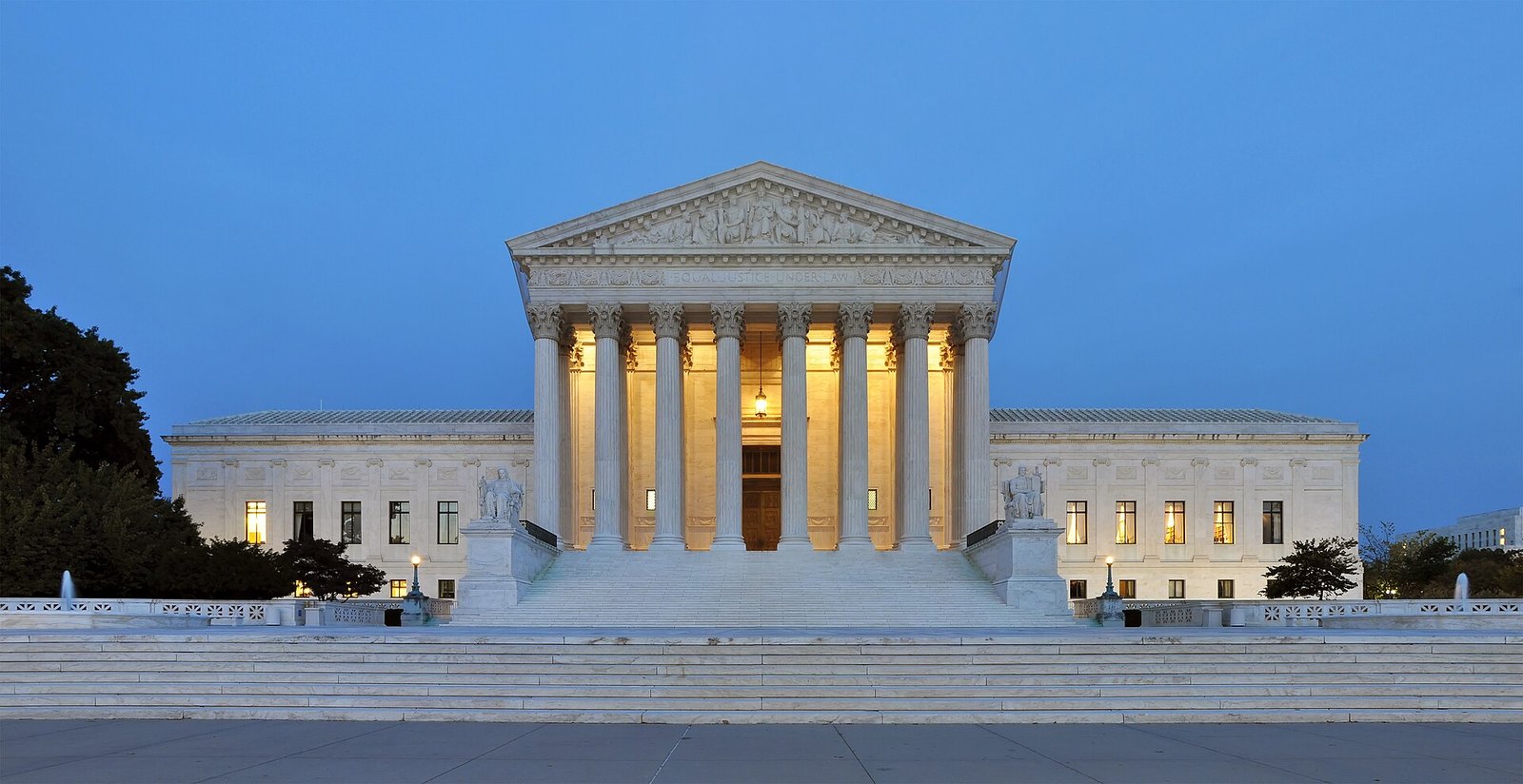
The Supreme Court's 2026-27 term, which opened October 5, includes major cases on AR-15 bans, proof of citizenship to vote, climate lawsuits against oil companies, immigration detention and religious liberty. Decisions in most argued cases are expected by the end of June 2027.
SCOTUSblog's Zach Shemtob has called it a quieter term than recent ones, with fewer Trump administration cases on the regular calendar so far, though the administration can bring urgent disputes to the court's emergency docket at any time.
What are the biggest Supreme Court cases this term?
| Case | Issue | Argument |
|---|---|---|
| Suncor Energy v. Boulder County | Can localities sue oil companies over climate change? | Oct. 5 |
| Beaird v. United States | Sentencing for large-capacity magazines | Oct. 13 |
| Guerrero v. Johnson | Second appeals in a death-penalty case | Nov. 4 |
| RNC v. Mi Familia Vota | Proof of citizenship to register to vote in Arizona | Dec. 8 |
| Viramontes v. Cook County / Grant v. Higgins | State and local bans on AR-15-style rifles | Not yet set |
| DHS v. D.V.D. | Deportations to countries other than a person's own | — |
| Barbosa da Cunha v. Rhoney | Detention of noncitizens without bond | — |
| St. Mary Catholic Parish v. Roy | Religious schools and Colorado's universal preschool | — |
| Grand v. City of University Heights | Permits for a home prayer gathering | — |
| Kian v. Florida | Does the Sixth Amendment require 12-person juries? | Likely 2027 |
Argument dates as reported by the Deseret News and SCOTUSblog.
What is at stake in the voting case?
Republican National Committee v. Mi Familia Vota asks whether the National Voter Registration Act lets Arizona require documentary proof of citizenship to register to vote, and whether the state can cancel the registrations of suspected noncitizens within 90 days of a federal election. It will be argued December 8, after the midterms, but a ruling could shape registration rules ahead of 2028.
What about guns?
The court has consolidated two challenges to bans on AR-15s and other semiautomatic rifles, Viramontes v. Cook County and Grant v. Higgins. Shemtob has predicted a win for gun-rights advocates. In a separate case, Beaird v. United States, the justices heard arguments on October 13 over sentencing enhancements for possessing large-capacity magazines, a case that could lead them to revisit how much deference judges give to sentencing guidelines commentary.
Why does the climate case matter?
The term's first argument, Suncor Energy v. Boulder County, asks whether federal law preempts claims by the city and county of Boulder, Colorado, seeking damages from Suncor and ExxonMobil over climate change. Suncor's lawyers told the court more than 60 municipalities have filed about three dozen similar suits seeking billions of dollars, SCOTUSblog reported. Justice Samuel Alito recused himself.
Which immigration cases are on the docket?
- DHS v. D.V.D. challenges the administration's practice of deporting noncitizens to countries other than their home countries.
- Barbosa da Cunha v. Rhoney concerns the policy of detaining noncitizens arrested inside the U.S. without the option of release on bond. Federal appeals courts have split on the question.
What religion cases will the court hear?
- St. Mary Catholic Parish v. Roy challenges Colorado's universal preschool program, which excludes religious providers that will not comply with its nondiscrimination clause. The justices declined to consider overturning Employment Division v. Smith (1990), though the case could narrow it.
- Grand v. City of University Heights involves an Orthodox Jewish man in suburban Cleveland told he needed a permit to host a minyan, a prayer gathering, at his home.
Petitions challenging Texas and Louisiana laws requiring the Ten Commandments in public school classrooms are also pending, and Shemtob has predicted the court could take them up.
How did last term end?
The previous term included high-profile losses for President Trump on tariffs and birthright citizenship, the Deseret News noted, as well as a ruling that marijuana users can own guns.
If you are voting this fall, see our guide on how to check your voter registration.