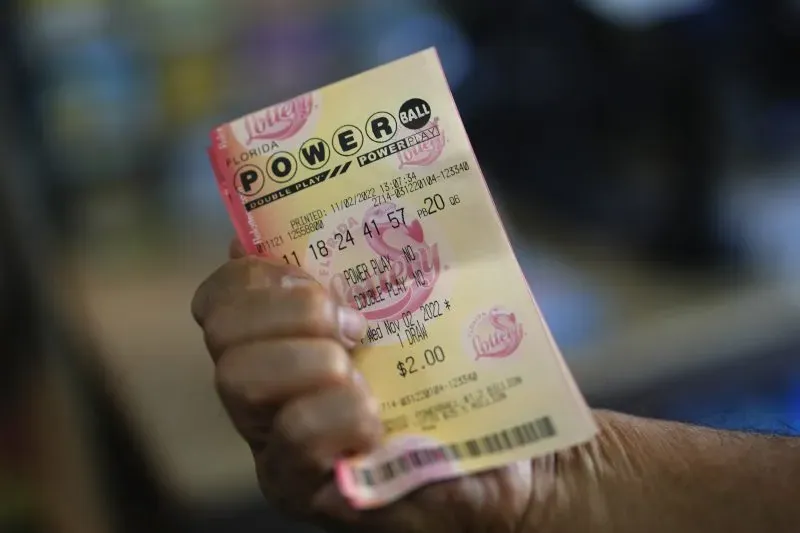
Wednesday night's Powerball drawing carries an estimated $663 million jackpot. It went up from $633 million after no ticket matched all six numbers on Monday.
Here is the number that gets buried: the cash option is about $290.4 million.
Why those two figures are so far apart
The advertised jackpot is not money that exists. It is an annuity — 30 graduated payments over 29 years, funded by the lottery investing the actual prize pool and letting it earn interest over three decades.
The cash option is the prize pool itself. That is the real, present-day size of the pot: roughly $290.4 million, or about 44% of the headline number.
Then withholding starts. Federal tax is taken off the top, most states take their own cut, and the top federal bracket applies to a sum this size. A winner choosing cash is not deciding between $663 million and $290 million; they are deciding between an annuity stream and a lump sum that shrinks again before it lands.
Neither choice is wrong — the annuity is worth more nominally and protects against the winner's own decisions; the lump sum can be invested on the winner's terms. But "$663 million" describes neither outcome.
The odds, stated plainly
1 in 292,201,338 to win the jackpot.
The often-quoted friendlier figure — 1 in 24.9 — is the chance of winning any prize, and the overwhelming majority of those are the $4 you get for matching the Powerball alone. That number describes getting your two dollars back, not changing your life.
Both numbers are true. Only one of them is about the jackpot.
Meanwhile, the other game paid out
While Powerball keeps rolling, Mega Millions ended its run on July 28. A single ticket sold in Florida matched everything: $803 million, with a cash value of $345.5 million.
The winning numbers were 34, 48, 49, 59, 70 and Mega Ball 12. It was the third Mega Millions jackpot won in 2026 and the tenth largest in the game's history.
That is the cleanest available illustration of how this works. Two games, similar odds, similar rollover mechanics — one of them hit this week and one of them did not, for no reason other than which numbers came out of which machine.
Why the drought is this long
Powerball has not produced a jackpot winner since it reset to $20 million on May 4 — more than two dozen consecutive drawings.
That feels statistically strange and is not. At 1 in 292 million, most drawings sell far fewer tickets than would be needed to make a win likely, so long droughts are the expected behaviour of the game rather than an anomaly. The jackpot climbs precisely because nobody wins, and the climb draws more players, which is the only mechanism that eventually ends the streak.
Put differently: the size of the prize is a measure of how long the game has gone without paying it.
Practical details
- Drawing: 10:59 p.m. Eastern, Wednesday, July 29
- Sales cutoff: varies by state, generally one to two hours before the draw
- Ticket: $2, plus $1 for Power Play
- Estimates move: the advertised jackpot is revised up until draw time as sales come in, which is why you may see $663 million and $668 million quoted within the same hour
If gambling has stopped being entertainment for you or someone you know, the National Problem Gambling Helpline is available 24/7 at 1-800-522-4700, by call or text.