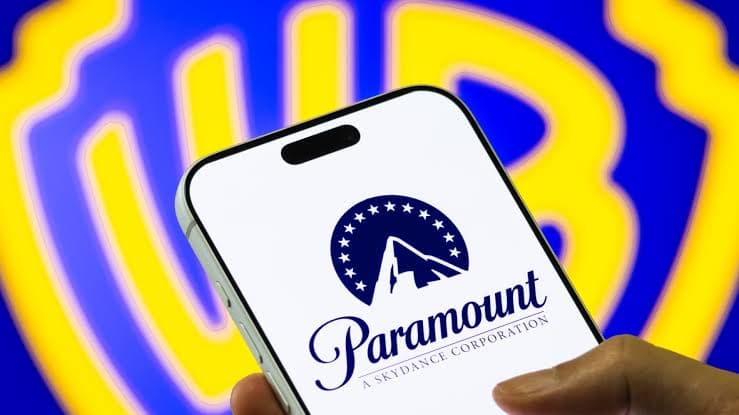
Paramount Skydance told investors it intended to close its acquisition of Warner Bros. Discovery by the end of September. On Friday it agreed in federal court not to close until five days after an antitrust trial, or June 1, 2027, whichever comes first.
No trial date exists yet.
What actually happened
Twelve states, led by California Attorney General Rob Bonta, sued to block the $111 billion deal and obtained a temporary restraining order earlier in the week that froze the closing for 28 days while a preliminary-injunction motion was briefed.
Rather than fight that motion, Paramount entered a joint stipulation — it will simply not close until the merits are decided. The Writers Guild of America, which had its own injunction motion set for a August 3 hearing, withdrew it: Paramount had conceded the thing the motion was asking for.
The case is before Judge Araceli Martínez-Olguín in the Northern District of California. The parties were ordered to file their positions on trial scheduling by July 31.
The part that makes this unusual
The Justice Department cleared this merger in June.
Its Antitrust Division closed the investigation, stating the transaction was not likely to harm competition across streaming, linear television, or the development, production and theatrical distribution of films.
Variety has reported that the department's own staff attorneys — the ones who spent months on the review — were leaning toward recommending a suit, arguing that combining the two studios would be anticompetitive, and that senior officials signed off before those objections were formalized.
So the structure here is genuinely unusual. Twelve state attorneys general are prosecuting an antitrust case the federal government examined and declined to bring. States have independent authority to sue under federal antitrust law, and they are using it against the grain of a federal clearance rather than alongside it.
That is the story. Not the delay — the fact that a merger with a federal green light is nonetheless heading to trial.
What the states are actually alleging
The complaint is narrower and more specific than the usual "too big" framing. It alleges violations of the Clayton Act across three defined markets:
- Wide-release theatrical distribution
- "Top-grossing" theatrical distribution
- Basic cable licensing
The states argue the combination would "lead to higher prices, lower quality, and less content for film and television, harming movie theaters, basic cable distributors, and ultimately, audiences on every sofa and movie theater seat in the U.S."
Note what is largely absent: streaming. Defining the harm around theatrical distribution and cable licensing, rather than the streaming market where Paramount+ is a distant competitor, is a deliberate choice — and it happens to sidestep the market the DOJ leaned on when it cleared the deal.
The WGA's separate objection is about labor: fewer buyers for scripts means lower pay and fewer opportunities for writers.
What waiting costs
This is where the delay stops being abstract.
Starting September 30, Paramount owes Warner Bros. Discovery shareholders a ticking fee — an extra 25 cents per share, per quarter, until the deal closes. That is roughly $650 million in cash value every quarter.
The clock now runs against a trial with no date on the calendar. If the case stretches to the June 2027 backstop, that mechanism runs for roughly three quarters.
The fee exists to compensate target shareholders for being stuck in limbo, and it is a reasonable thing to negotiate. It also means Paramount is paying, in cash, for time it does not control.
What has not happened
Paramount has not walked away, and nothing has been decided. A stipulation to wait is not a ruling on the merits, and the states have to actually win.
What has changed is who is holding the timeline. Six weeks ago the closing date was Paramount's decision. It now belongs to a federal judge in San Francisco.