The House adopted a Republican-only $95 billion budget proposal on Wednesday, a long-shot effort to fund the war against Iran and a slate of other White House priorities, pushed through over Democratic objections and a handful of GOP holdouts in a final stretch before the midterm elections. The vote was 216-214, and it sends the measure toward an uncertain reception in the Senate.
Speaker Mike Johnson pressed ahead with the go-it-alone strategy despite divisions in his own party — conservatives were wary because the plan includes no offsetting spending cuts — viewing it as the best available path to move President Trump's agenda through a split Congress.
What's in the package
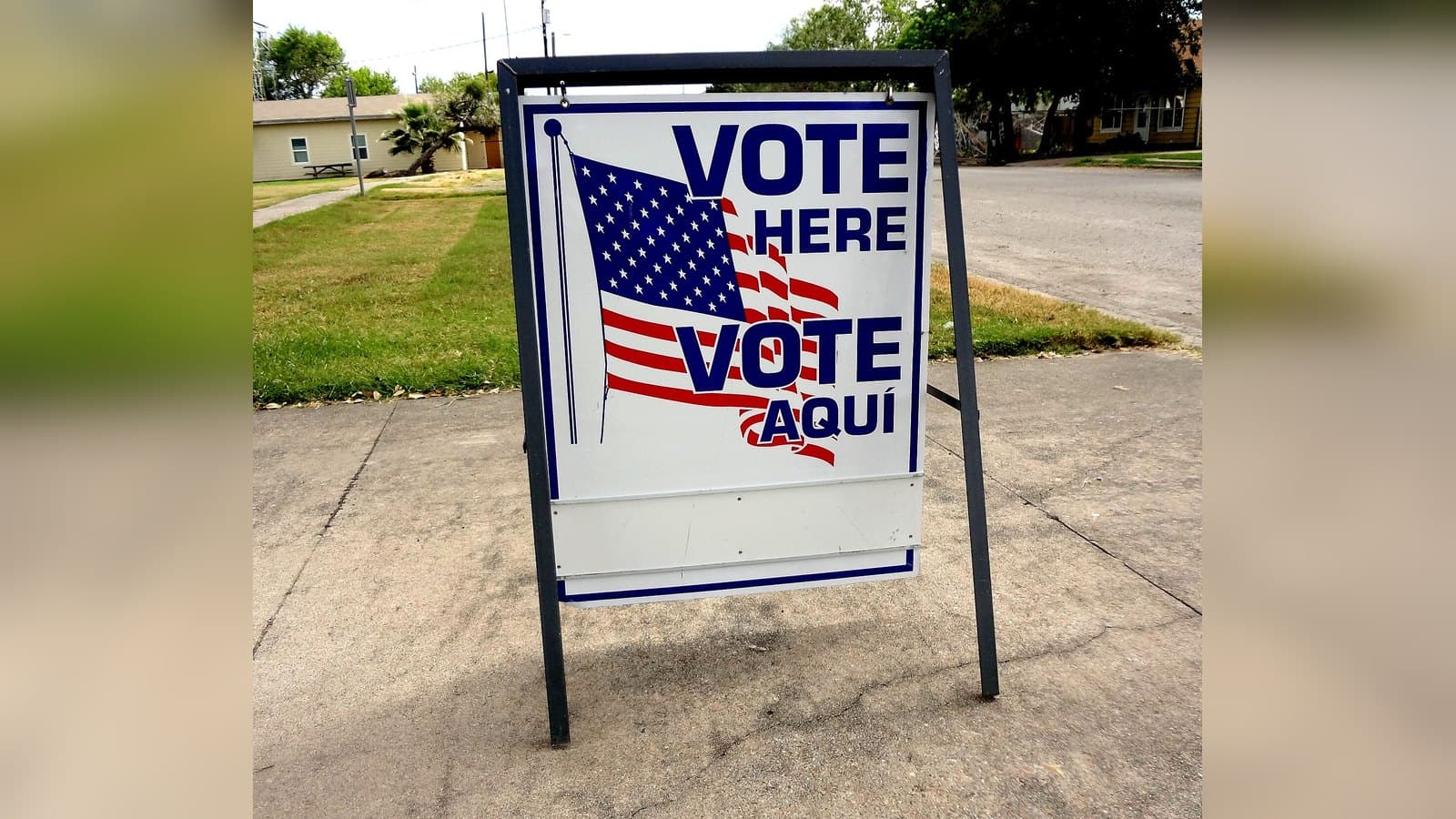
The blueprint allocates $60 billion for the Pentagon and $13 billion for other national security needs. It adds $12 billion for farmers squeezed by Trump's tariffs, and $10 billion for voting-law changes aligned with the SAVE America Act, including proof-of-citizenship requirements the president has made a top priority.
Two sharply different cases
Republicans framed the money as a matter of military necessity. "Just bullets and bombs to finish the job," said Budget Committee Chairman Jodey Arrington of Texas. Mike Rogers of Alabama, who chairs the Armed Services Committee, put it this way: "No matter how you feel about current events, these funds are necessary to ensure our fighting forces remain ready, our troops are paid and our nation is safe."
Democrats countered that the money would be better spent at home. "Republicans plan to spend tens of billions of dollars on Trump's failed war in Iran," said Pete Aguilar of California, who chairs the House Democratic caucus. "Think about what we could spend with these resources instead." House Democratic Leader Hakeem Jeffries went further, saying Republicans "have literally ripped food from the mouths of hungry children, seniors and veterans to sustain the Trump war machine."
At least one member outside both party lines objected on process grounds. Kevin Kiley of California, a former Republican now serving as an independent, argued that any war-funding bill should be bipartisan and should give Congress a "much higher level of involvement" in bringing the conflict to an end — something he said this proposal did not do.
The war looming behind the vote
The budget fight is unfolding against a deeper standstill. Congress has neither stopped Trump's military strikes on Iran nor formally authorized the use of American military force, leaving lawmakers politically torn over appropriating billions of taxpayer dollars for a war they have not voted to sanction. Recent national polling indicates that most Americans disapprove of the president's Iran strategy.
The human cost was visible the same week: Trump attended the dignified transfer of four service members killed in the Middle East, bringing the U.S. military death toll in the conflict to 18. Defense Secretary Pete Hegseth told senators at a contentious hearing that the Pentagon is running short of cash, even after a one-time $150 billion allotment in last year's budget law.
A once-rare tool, now routine
To move the package, Republicans are again turning to budget reconciliation, a process that allows approval by simple majority and sidesteps the Senate filibuster. Once uncommon, it has become Johnson's go-to method — this is the third time GOP leaders have used it, and they have taken to calling this version "3.0." The resolution itself doesn't spend a dollar yet; it sets instructions for committees to draft the actual legislation, work Johnson hopes to finish over the summer, with final votes after the August recess.
The Senate is a different problem
Even a successful House vote runs into trouble across the Capitol. Senate Majority Leader John Thune has been noncommittal — "We'll see," he said — and the package divides his own majority, with some Republican senators wanting more military money and others insisting any spending be offset with cuts elsewhere.
Thune's immediate focus is avoiding a government shutdown when current funding expires September 30; he has floated holding onto the House's budget resolution to deploy later in the fall if needed to keep the government open. He has also clashed with Trump over the SAVE America Act: the proof-of-citizenship measure is popular with the president's base but lacks the votes among Senate Republicans. It is already illegal for noncitizens to vote in federal elections, and voting experts warn the proposed rules could make casting a ballot harder for eligible Americans — by one estimate, roughly 9% of voting-age citizens, about 21.3 million people, don't have proof of citizenship readily at hand, and nearly half of Americans don't hold a passport.
Where it stands
For all the intensity of Wednesday's vote, what the House passed is a starting point, not a finished law — a set of marching orders that still has to survive committee drafting, a bruising Senate amendment process, and the arithmetic of a narrowly divided Congress. The larger questions the vote raised, about who controls the purse strings of an unauthorized war and how much it will ultimately cost, remain very much unresolved.