A federal judge has asked the Pentagon to account for what she framed as a potential inconsistency: the military is preparing to screen troops for low testosterone and offer them testosterone replacement therapy, even as it bans that same class of hormone treatment for transgender service members. U.S. District Judge Ana Reyes raised the issue on Wednesday in an ongoing lawsuit against President Donald Trump's ban on transgender troops, ordering both sides to address it directly.
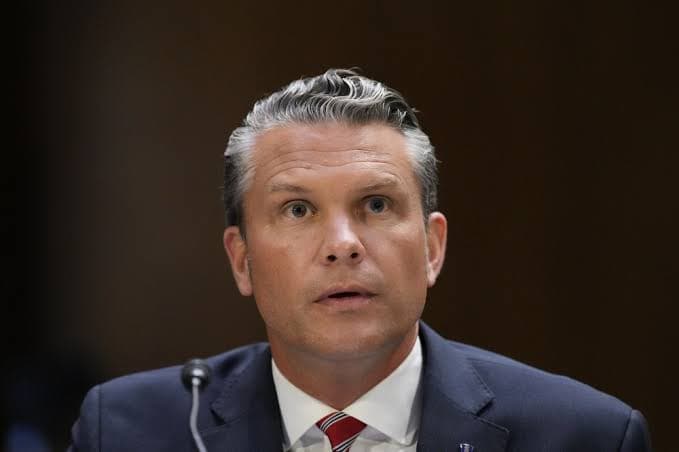
The question was prompted by a new initiative from Defense Secretary Pete Hegseth, announced about a week earlier, to test and treat service members for "testosterone deficiency." The juxtaposition — routine hormone therapy for some troops, a prohibition for others — is now something the court wants explained on the record.
What the judge ordered
Reyes pointed to the language of Trump's ban itself, which states that "the Armed Forces must adhere to high mental and physical health standards … without the benefit of routine medical treatment or special provisions." Against that backdrop, she ordered the parties to address "the similarities and differences in administering TRT, both medically and logistically, for trans men compared to other service members, including cis individuals," using the acronym for testosterone replacement therapy. She also asked the Pentagon to lay out its "basis for treating trans men and other service members differently between this new policy and the Military Ban."
In short, the judge is not ruling on the question — she is requiring the government to explain the distinction it draws between prescribing testosterone to a service member with a diagnosed deficiency and prescribing it to a transgender man, and to justify why one is permitted and the other is not.
Hegseth's testosterone program
Hegseth's initiative, unveiled roughly a week before the order, adds testosterone screening to service members' required annual medical exams for those 30 and older, with voluntary testing available for younger troops. He described it as necessary to let service members perform at their "absolute best," and said that actually receiving the replacement therapy would be voluntary. The push aligns with a broader effort by some administration officials to promote easier access to testosterone therapy for men.
The underlying medicine is genuinely debated. Testosterone levels in men decline with age and have long been associated with issues such as low libido, mood changes and weight gain, but physicians have argued for years over how to diagnose a true deficiency and when hormone replacement is warranted. Those clinical questions are separate from the legal one the judge is now posing.
The case, and where it stands
The lawsuit is one of several challenging the administration's policy. Transgender active-duty members and former service members seeking to reenlist sued in late January 2025, shortly after Trump returned to office. Reyes, who was nominated to the bench by President Joe Biden, previously ruled against Trump's executive order excluding transgender troops. A divided federal appeals panel later sent the case back to her, partially upholding her order — finding the ban unlawful and that the service members who sued could not be removed — and Reyes has since granted the case class-action status, meaning any eventual outcome could reach all affected service members.
Even so, the ban remains in force for now. The U.S. Supreme Court has allowed the Pentagon to enforce it while the litigation continues. That procedural posture matters: whatever the government files in response to Reyes's order, the policy stays in effect unless and until the courts rule otherwise.
The competing framings
The dispute turns on how to characterize the two treatments. Plaintiffs and the judge's questions highlight that the drug and its delivery can look similar regardless of the recipient, raising the question of why the military would furnish it to some troops while forbidding it for others. The administration's defense of the ban, by contrast, has rested on the argument that gender dysphoria and transition-related care implicate distinct concerns about military readiness, deployability and medical standards — a category it treats as different from correcting a hormone deficiency in an otherwise-serving member. The Pentagon has not yet filed its response to this specific order, and the court's request is precisely an invitation for the government to spell out that distinction. How persuasively it can do so may shape the next phase of a case with implications for transgender troops across the force.