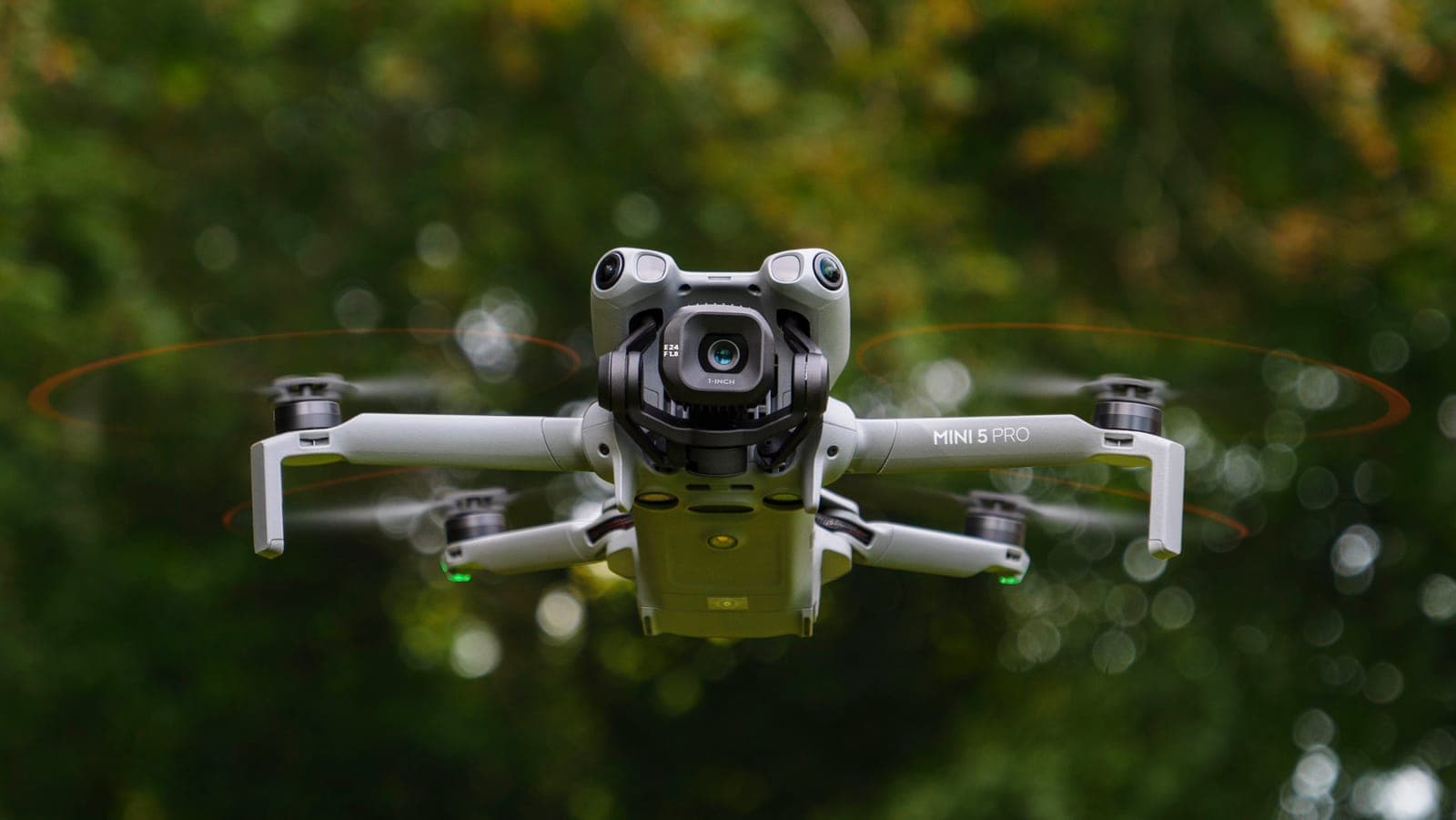
When the United States effectively locked DJI out of the market, a quieter workaround appeared almost overnight: unfamiliar brand names, selling drones and pocket cameras that looked, felt, and flew a lot like the Chinese hardware buyers could no longer get. Different logos, familiar machines. For nearly a year, that gray-market pipeline hummed along on Amazon and elsewhere in plain sight. This month, the Federal Communications Commission signaled that the workaround is over — and it intends to unwind it retroactively.
That last word is what makes this different from every DJI restriction that came before. The agency is not just blocking future sales. It is preparing to revoke approvals that certain products already earned, pulling authorization out from under gear that was certified and sold legally. It would be the first practical use of a power the Commission voted unanimously to grant itself in October 2025, and it turns a paperwork stamp that companies assumed was permanent into something the government can take back.
The disguise, and how it unraveled
The targets are eight companies the FCC suspects of acting as fronts — disposable corporate shells, several incorporated in Hong Kong, marketing rebadged DJI designs under new names. Among the flagged product lines are Skyrover drones and Xtra's Muse cameras, the latter pitched with a tagline urging buyers to move "from Pocket to Pro," an almost cheeky nod to the DJI Osmo Pocket it closely resembles.
Spotting the resemblance did not require a lab. Any shopper comparing spec sheets could see it. But the forensic proof came from an independent security researcher who built an open-source tool that scanned public FCC filings for a telltale sign: the unique proprietary communication protocol baked into DJI equipment. When devices sold under brand-new names carried that same digital fingerprint, the coincidence stopped being plausible. The scans matched hardware against the exact category of restricted equipment named under Section 1709 of the 2025 National Defense Authorization Act — the provision that, on December 22, 2025, landed all foreign-made drones and critical components on the FCC's Covered List.
Fined for silence, not yet for the hardware
The first blow has already fallen, and it is worth understanding precisely what it punishes. On July 10, the Commission proposed $25,000 fines against each of the eight companies — not for the drones and cameras themselves, but for stonewalling. The Enforcement Bureau had sent formal Letters of Inquiry in May asking each firm whether it markets equipment tied to the Covered List. Every one of them went unanswered. Some letters bounced back undeliverable.
Ignoring a Commission order is its own violation, independent of whatever an eventual product investigation concludes. The baseline penalty for that offense is $4,000; regulators raised it more than sixfold, calling the conduct "egregious, intentional, and continuous." In other words, the fines are a warning shot. The heavier machinery — revoking the equipment authorizations that let these products reach American shelves in the first place — is what follows if the companies are confirmed to be selling DJI hardware in disguise.
Choking the certification pipeline
The pressure extends past the storefronts to the laboratories that vouched for this equipment. The FCC has moved to withdraw its recognition of a Shenzhen-based testing lab, citing partial state ownership through a chain that traces back to a Chinese government standards institute. Certification runs through a short list of approved labs, so disqualifying one complicates the route to market for every product that depended on it. Paired with the retroactive-revocation power, the agency is dismantling the plumbing the front-company strategy relied on, joint by joint.
Why it matters
If you already own one of these drones or cameras, nothing is being yanked out of your hands. The Commission has said it will not recall products from existing buyers, and any action follows a 30-day public comment window rather than an overnight switch. The immediate effect is narrower: these products could vanish from major retailers, and the brands behind them could lose the legal standing to sell in the U.S. at all.
The larger significance is about how this is being done. Critics — including, at times, DJI itself — argue the entire edifice rests on procedure rather than proof. DJI landed on the Covered List not because a security audit found a smoking gun, but because the review Congress ordered was never completed. Now eight companies face penalties for failing to answer letters, a process crime, while the underlying question of whether any of this hardware actually endangers Americans remains formally unexamined. The government keeps winning on paperwork.
Two things are worth watching. The first is escalation: if the flagged companies stay silent, expect the FCC to move toward revoking their approvals outright. The second is the courtroom. DJI is fighting the Covered List designation in federal appeals court, warning the ban will cost it more than $1.5 billion this year alone. A ruling that narrows that designation would knock the legal footing out from under this entire enforcement wave. For now, though, the message to anyone betting that Washington wasn't watching the rebrand game is unambiguous. Washington is watching.