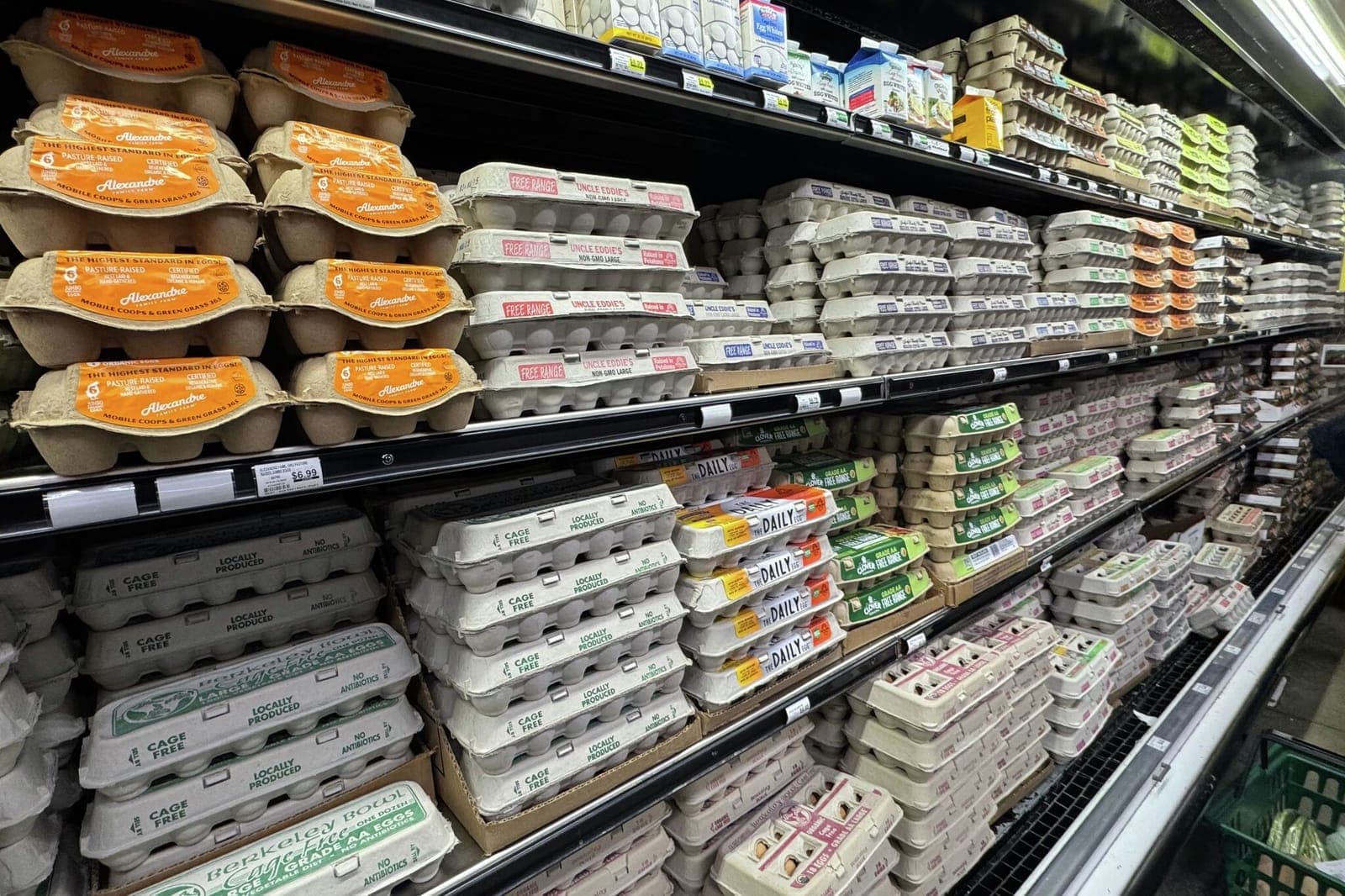
The U.S. Food and Drug Administration said Midwest Poultry Services is recalling nearly 1.6 million dozen eggs — roughly 19 million eggs — over the possibility that they are contaminated with Salmonella Enteritidis, the bacterium behind one of the most common forms of foodborne illness. The recall covers white shell eggs and brown cage-free shell eggs produced at the company's farms in Texas.
As of the announcement, no illnesses had been reported in connection with the eggs. The recall is precautionary, prompted by the potential for contamination rather than a confirmed outbreak, and Midwest Poultry Services has halted distribution of eggs produced on its Texas farms.
Where the eggs were sold
The recalled eggs reached shelves across several southern states. According to the FDA, they were sold at Kroger stores in Texas and Louisiana, and at Brookshire Grocery stores in states including Oklahoma, Arkansas and Mississippi. Anyone in those areas who recently bought eggs is the most likely to have an affected carton at home.
The eggs in question were produced between June 6 and July 3 and carry sell-by or best-by dates ranging from July 20 to August 17. Cartons tied to the recall are marked with the plant codes P-1950 or 0840962, along with a Julian date — the day-of-year stamp printed on egg packaging — between 157 and 184. Checking those codes against the carton is the surest way to know whether a given dozen is included.
What to do if you have them
The FDA's standard guidance in cases like this is straightforward: do not eat the recalled eggs. Consumers should either throw them away or return them to the store where they were purchased for a refund. It is also worth cleaning and sanitizing any surfaces, containers or utensils the eggs may have touched, since salmonella can spread from the shell to hands, counters and other foods.
Midwest Poultry Services and Kroger did not immediately respond to requests for comment made outside regular business hours, and Brookshire Grocery could not be immediately reached.
Why salmonella in eggs is a concern
Salmonella Enteritidis is unusual among foodborne bacteria because it can live on the outside of the shell and, in some cases, inside an otherwise normal-looking egg. That is why cooking eggs thoroughly and handling them carefully matters, and why a contamination risk is enough to trigger a recall of this size even before anyone falls ill.
Symptoms typically appear within 12 to 72 hours of eating a contaminated food and can include stomach cramps, diarrhea, nausea, vomiting, chills, fever and sometimes headache. Most healthy people recover within a few days without treatment, but the infection can be more serious for young children, older adults and people with weakened immune systems. Anyone who develops severe or persistent symptoms after eating eggs should contact a healthcare provider.
This is a developing food-safety notice, and the FDA may update the list of affected products or retailers as its review continues.