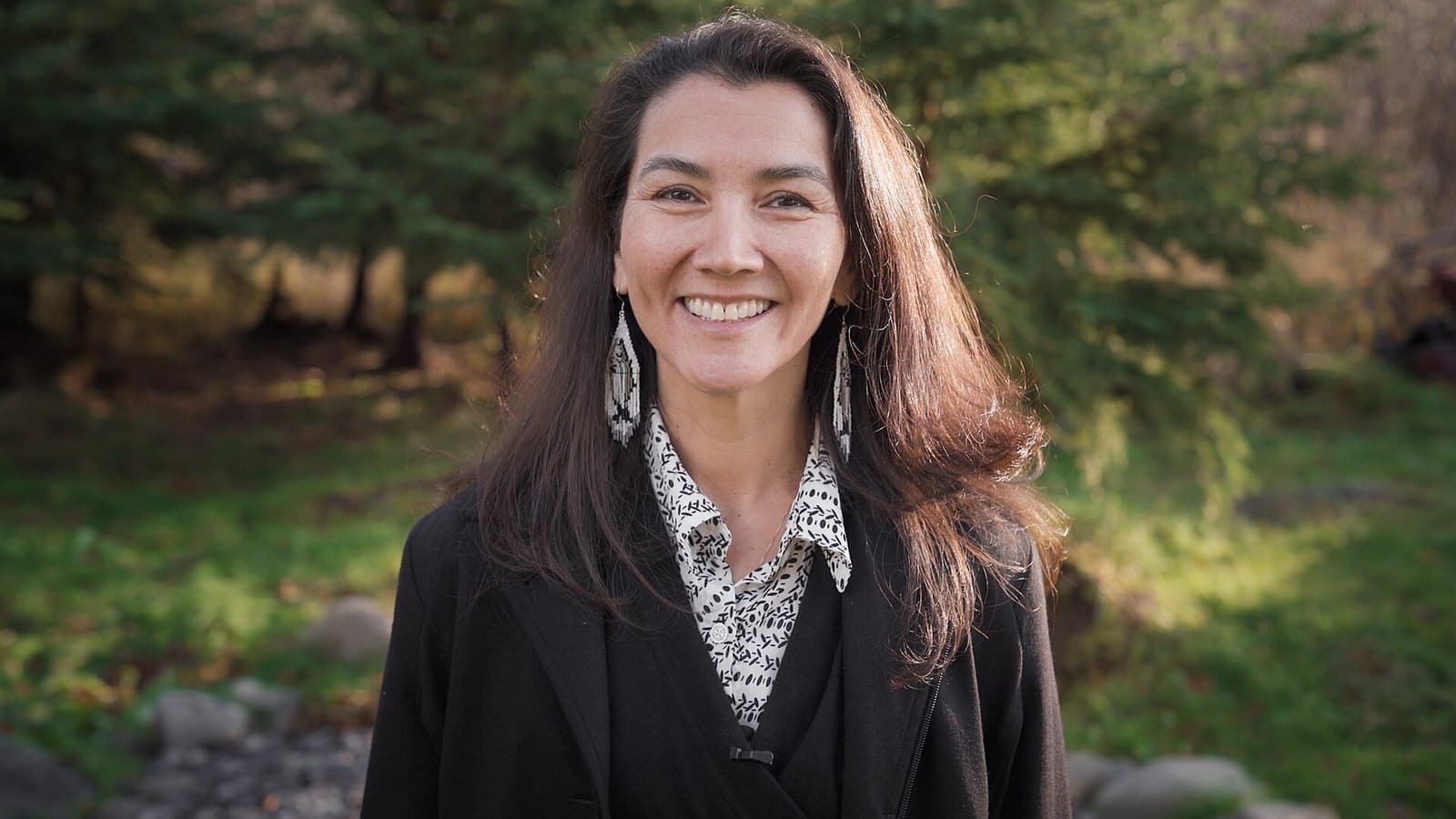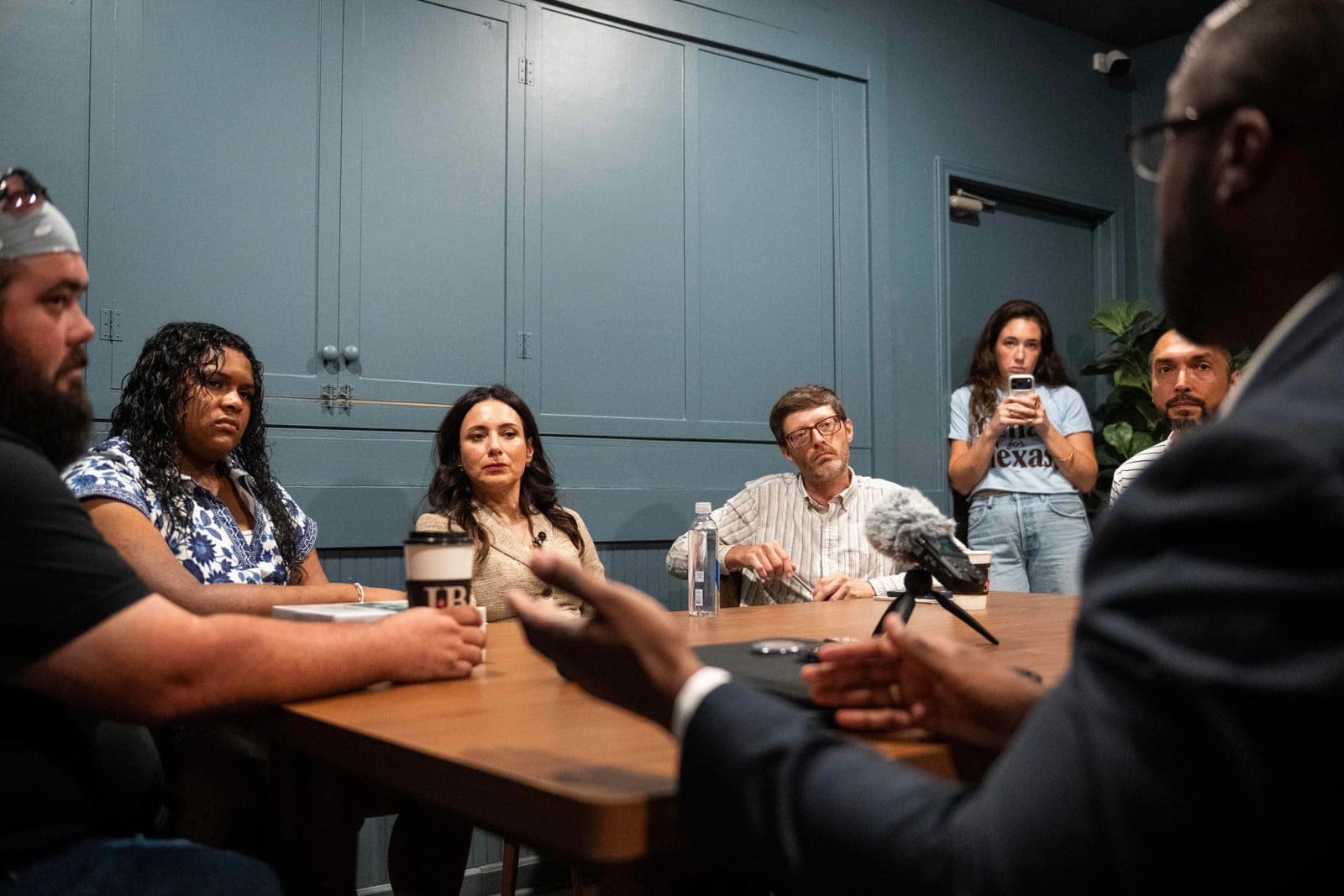
When Gina Hinojosa launched her long-shot bid for Texas governor, data centers were not on the ballot or even in the conversation. With roughly three months until November's election, they may be one of the few issues capable of loosening the Republican grip on rural Texas — and Democrats are moving to seize it. The perceived threat that AI data centers pose to rural life, ranchland and dwindling water supplies is cutting across the usual partisan lines, in a state where the countryside has long been a conservative counterweight to Democratic cities.
The politics are unusual because the anger is not confined to one party. The backlash against the sprawling, energy-hungry server warehouses that power artificial intelligence has united conservatives and liberals in town after town, and it is scrambling races well beyond Texas.
What people are actually worried about
Strip away the campaign framing and the concerns are concrete. Residents object to the secrecy surrounding many projects, and to the prospect of air, noise, water and light pollution. They fear rising electricity bills, wells running dry, and the loss of open space, farmland and forest to facilities that can consume enormous amounts of power and water.
Water is the sharpest worry. In a state where shortages have already hurt agriculture — Texas's sugar cane industry among the casualties — ranchers fear that data centers will deepen droughts and get priority over farms when rationing hits. One Panhandle rancher whose family has worked the same land for 125 years warned that Texas is increasingly overriding landowner rights in the hunt for public water, and that data centers could end up "in line" ahead of ranchers. "This is the most cross-partisan issue I've ever seen in my life," said Clayton Tucker, a rancher and the Democratic nominee for state agriculture commissioner, who says the topic dominates his events regardless of whether he's talking to Democrats or Republicans.
Why Texas is ground zero
Texas is exactly where this collision was always going to happen. The state is poised to overtake northern Virginia as the world's largest data center market by 2030, according to the commercial real estate firm JLL — a product of abundant land, plentiful energy and a light regulatory touch under Republican leadership. In west Texas and the Panhandle, enormous facilities are under construction, including one near Amarillo billed as the largest in the world, some paired with their own natural gas turbines for power. Google is building four data centers in the state's northwest and has hosted moderated conversations with officials and business leaders in Lubbock and Amarillo.
The industry and its allies make a straightforward case. Google says its investments advance American innovation, strengthen cybersecurity and expand energy capacity, and President Donald Trump has made data center expansion a national priority in the race against China for AI supremacy. Governor Greg Abbott has championed the projects aggressively; in November he helped announce a $40 billion Google investment, declaring "Texas is the epicenter of AI development." A structural quirk amplifies the boom: Texas counties have no zoning authority, denying rural communities the main tool that residents elsewhere have used to block or slow such projects.
A Republican revolt, not just a Democratic one
The most politically significant fact may be that some of the loudest critics are Republicans. Texas Agriculture Commissioner Sid Miller has called on Abbott to convene a special legislative session before data center growth becomes "irreversible," and has floated "Agriculture Freedom Zones" that would use tax incentives to steer projects away from prime farm and ranchland. In Lubbock, a protest group is led by Republicans whose founders say they may not vote for Abbott — though they may not vote for Hinojosa either. Backers of the projects counter that the facilities bring investment, jobs and grid capacity that rural counties badly need, and Abbott's camp casts him as delivering that growth responsibly.
Observers say many more Republicans are quiet, wary of publicly crossing their governor and party. "They're upset with Greg Abbott," said Suzanne Bellsnyder, a former Republican activist who writes a column advocating for rural Texas. "Whether that translates into voting against him, I don't know."
Abbott's response, and the Democratic rebuttal
Abbott appears to recognize the fissure in his base. In recent weeks he ordered regulators to ensure Texans aren't paying higher electricity bills because of data centers, and promised a legislative agenda next year to regulate them — including, he said at an East Texas stop, stripping away the state's billion-dollar-a-year tax break and keeping data centers out of "rural Texas neighborhoods."
Hinojosa and her allies dismissed that as election-season "doublespeak" lacking urgency, arguing residents deserve a real voice. As governor, she said, she would block a data center permit if it wasn't a good deal for Texans or if residents hadn't been consulted. To a crowd of about 160 at an Amarillo social club, she called the current environment "the wild west of data centers," owned by "the richest men in the world" with "no rules."
The same fight is spreading
Texas is the marquee case, but not the only one. In Ohio, Democratic Senate nominee Sherrod Brown has attacked Republican Sen. John Husted as "the face of data centers in Ohio," while activists gather signatures for a referendum to ban new construction. In Wisconsin, gubernatorial candidate Francesca Hong is campaigning to "tax the rich, fund our schools and stop AI data centers." And in Pennsylvania, Democratic Governor Josh Shapiro has drawn criticism from some voters who feel he has been too welcoming to tech giants building on farmland.
The open question in Texas is whether enough rural Republicans are angry enough to break a decades-long voting habit. Even critics concede many will "hit that button, Republican all the way down," as one Lubbock organizer put it. But in a state Democrats have not won statewide in a generation, the mere fact that the fight is happening inside the GOP's rural base is what has both parties paying attention.