Apple raised the price of Apple Music and several Apple One bundles this week, and the way it did so is almost as notable as the increases themselves: there was no press release, no keynote mention, no email blast. The company simply updated the numbers on its website on Friday and let customers discover the change on their next bill. When asked, Apple offered a one-line explanation — "As a result of rising licensing costs, Apple Music is increasing its subscription price beginning today."
For a service that has held its pricing steady for years, the move marks a quiet but meaningful shift. This is Apple Music's first price increase in nearly four years, and it lands as the company nudges up costs across an unusually wide swath of its catalog at once.
What went up for Apple Music
The individual Apple Music plan rises by $1 a month to $11.99. The student plan increases by the same dollar to $6.99. The family plan, shared among up to six people, takes the biggest jump — up $3 a month to $19.99.
None of these are dramatic on their own. But for households running the family plan, an extra $36 a year is the kind of increase that gets noticed, especially arriving with no advance warning.
The bundle math gets more expensive too
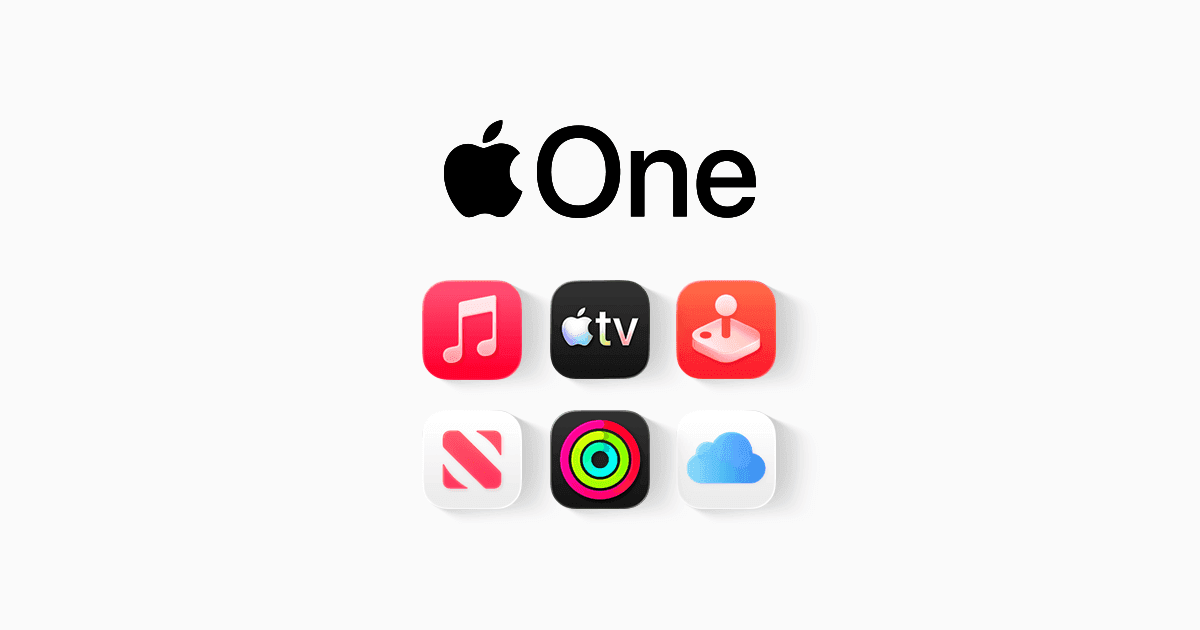
Apple also raised prices on parts of Apple One, the bundle that folds several subscriptions — Apple TV, Music, iCloud+, Arcade, and, on higher tiers, Fitness+ and News+ — into a single monthly charge.
The Apple One family tier climbs $2 to $27.95 a month; it covers up to five people with 200 gigabytes of iCloud storage. The top-end Premier package, which bundles all six services with up to 2 terabytes of storage, also rises $2, to $39.95 a month. Notably, the individual Apple One plan was left untouched at $19.95, so the increases target the shared, higher-storage tiers where families cluster. The new prices apply to customers in the United States and in other countries around the world.
Part of a broader wave of increases
The streaming hikes do not stand alone. They cap a stretch in which Apple has been raising prices across categories, each time pointing to costs outside its control.
The company's video service last went up in August 2025, climbing from $9.99 to $12.99 a month — a roughly 30% jump and the third increase since the service launched in 2019. Then, in late June, Apple raised prices on iPad and MacBook hardware, citing a surge in memory-chip costs. The MacBook Air rose $200 to $1,299, the budget Neo laptop went from $599 to $699, a MacBook Pro with 1 terabyte of storage climbed $300 to $1,999, and the iPad Air with 128 gigabytes moved from $599 to $749. At the time, Apple said it had "never seen a component price increase this much, this quickly," adding that it had "shielded our customers from these increases so far" but had reached a point where it needed to start passing them on.
Seen together, the pattern is consistent: whether the pressure comes from music licensing or memory chips, Apple is increasingly choosing to move those costs onto customers rather than absorb them.
What it means for subscribers
For anyone paying Apple monthly, the practical effect is a stack of small increases that add up. A family on Apple Music pays $36 more a year; an Apple One Premier subscriber, $24 more; and that is before factoring in last year's video-service increase or any hardware purchase.
The quiet rollout is its own signal. Companies confident that customers will grumble but stay tend to let price changes speak for themselves, and Apple's subscription base — deeply woven into its devices and hard to leave — gives it room to do exactly that. The licensing costs Apple cites are real; music rights have grown more expensive across the industry. But the takeaway for consumers is simpler than the accounting behind it: the Apple ecosystem is getting more expensive to live in, a few dollars at a time, and the company is no longer eating the difference.