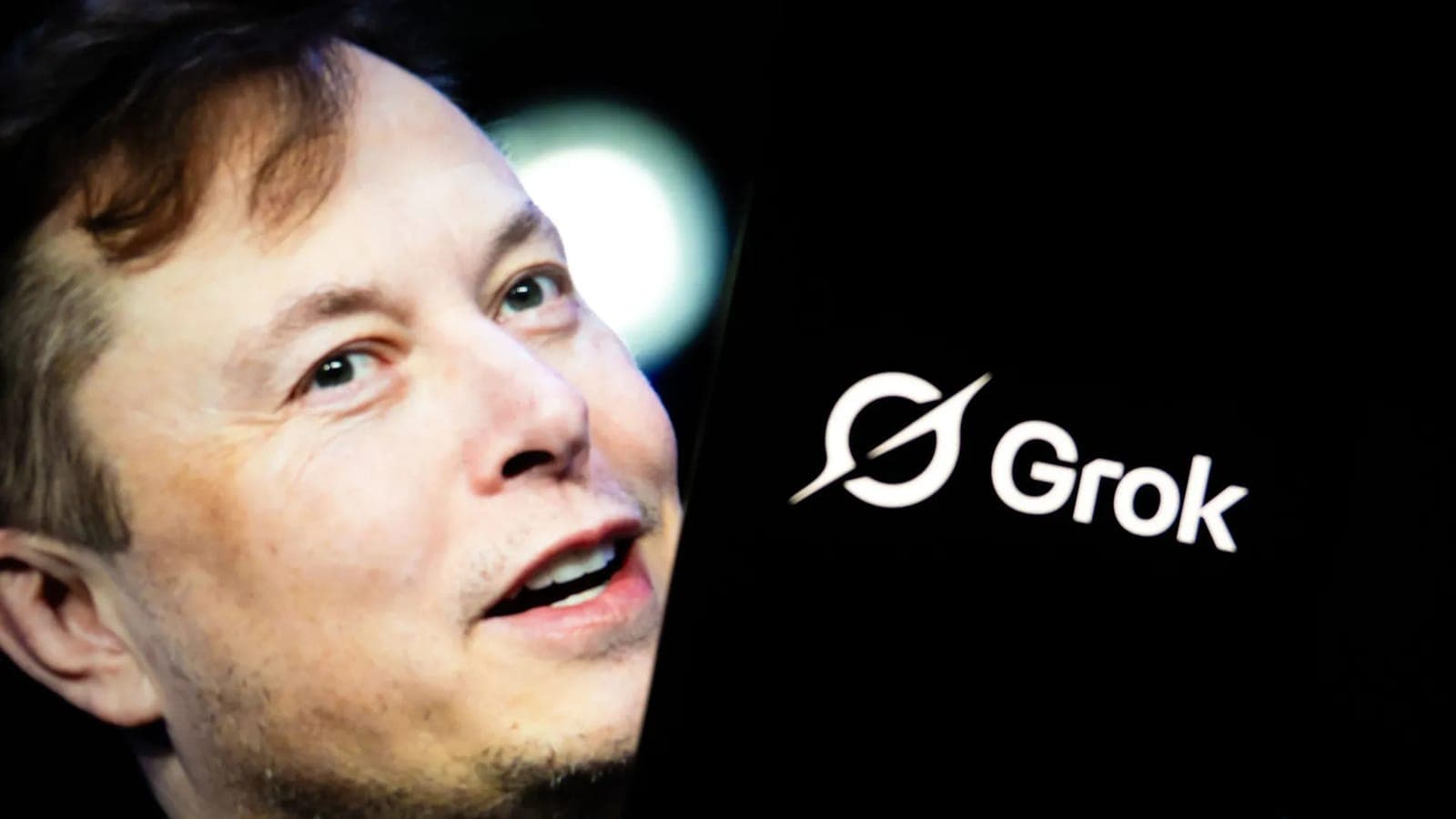
Elon Musk says he intends to have artificial intelligence produce its own version of The Odyssey. In a post on X on Wednesday, Musk wrote that "before this year ends, Grok Imagine will make a full-length movie of The Odyssey that is historically accurate and true to the art of Homer," attaching a roughly three-minute clip generated by Grok Imagine, the video tool from his AI company xAI. The clip depicts a scene between the hero Odysseus and the nymph Calypso, rendered entirely with AI stand-ins.
The announcement is the latest move in a running feud with Christopher Nolan, whose big-budget adaptation of Homer's epic arrived in theaters worldwide only days earlier. Musk's promise of an alternative, AI-made version is explicitly positioned against that film — and against the casting choices he has been criticizing for months.
The dispute behind the announcement
Musk's objection centers on casting. He has argued that Nolan's film prioritizes modern ideological considerations over fidelity to the source material, and his criticism has at times been personal and inflammatory: in a May post on X, he called Nolan "an anti-White racist" over the decision to cast Academy Award winner Lupita Nyong'o as Helen of Troy. The Grok Imagine clip he shared leans into that framing, reimagining characters with AI substitutes — its prompts, for instance, describe a Calypso who is "ageless" with a "soft Greek accent."
Those on the other side of the argument make two main points. The first is factual: The Odyssey is a work of ancient mythology and epic poetry, not documented history, so the notion of a "historically accurate" version of a story populated by gods, monsters and a sea nymph is, to many scholars and critics, a category error. Helen and Calypso are figures of myth, and the appearance of people in the ancient Mediterranean world is itself a subject of scholarly debate rather than settled record. The second is artistic: defenders argue that adaptations of myth have always reinterpreted their characters, and that casting is a creative choice rather than a claim about history.
Nolan's film drew a wave of support from within the industry, and a number of actors and filmmakers publicly rejected Musk's characterization of the director and pushed back on the premise of an AI "fix." Among the recurring rebuttals was a simple one — that the poem is fiction, and that "accuracy" is not the standard by which a mythological epic is judged.
Can Grok actually deliver?
Beyond the culture-war framing, there is a straightforward technical question: whether any current AI system can produce a coherent, feature-length film by the end of the year. Today's generative video tools can create striking short clips, but stitching them into a full-length movie with consistent characters, continuity, dialogue and narrative structure remains far beyond what has been publicly demonstrated. Musk has a long record of announcing ambitious timelines that slip, and independent observers greeted the year-end pledge with skepticism.
What is not in doubt is the broader trend the announcement points to. AI-generated video is improving quickly, and the prospect of using it to produce — or contest — major creative works is moving from hypothetical to talking point. Whether Grok Imagine ships a watchable Odyssey by December or not, Musk has turned a debate about one director's casting into a test case for how far AI filmmaking can go, and who gets to decide what a centuries-old story should look like on screen.